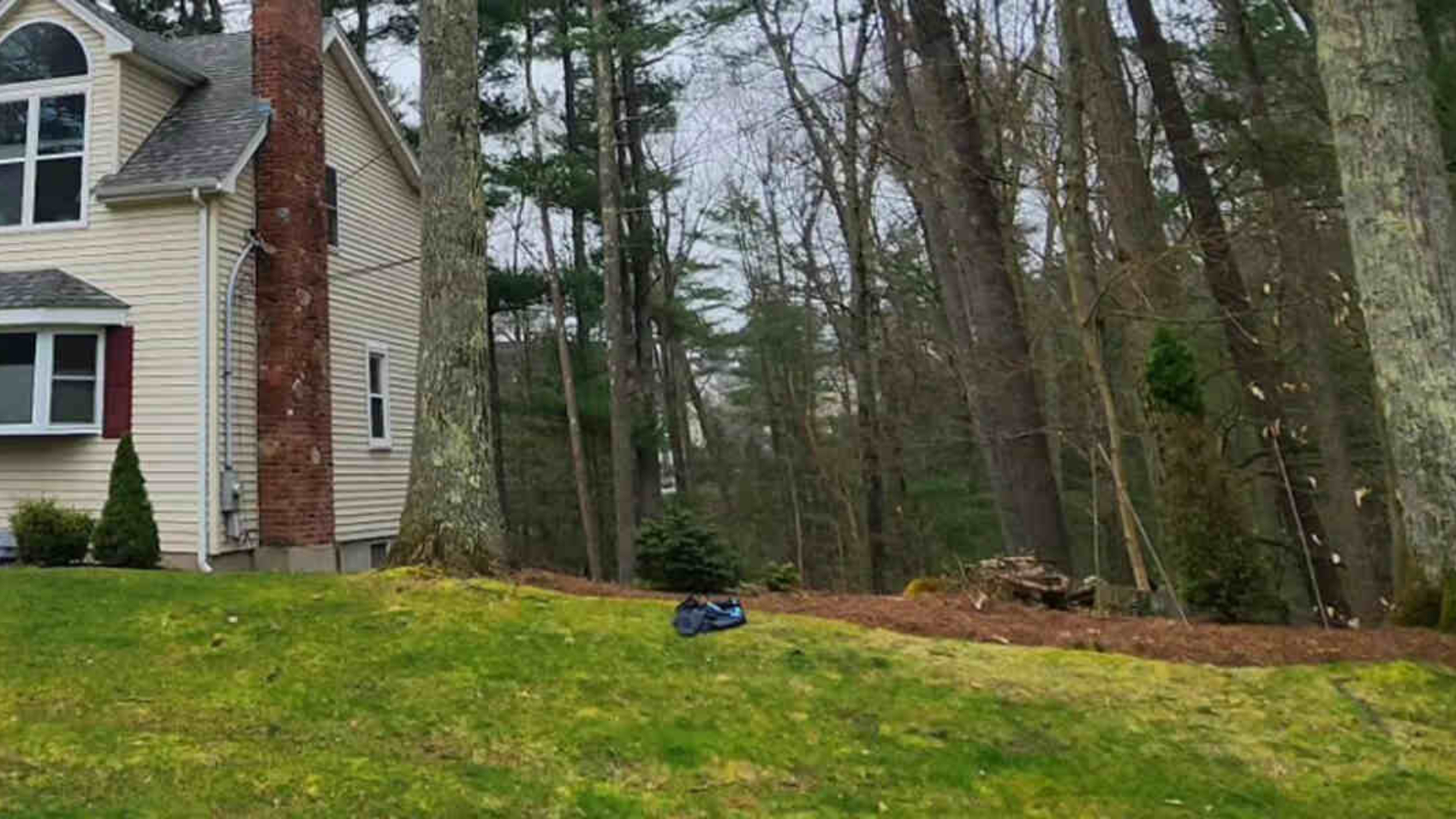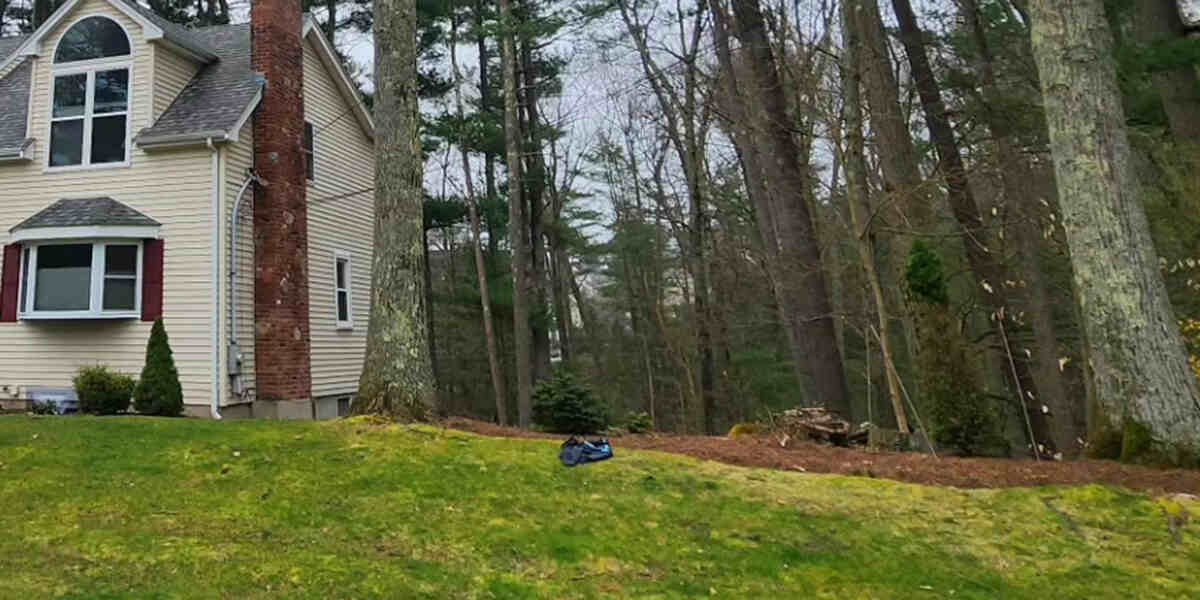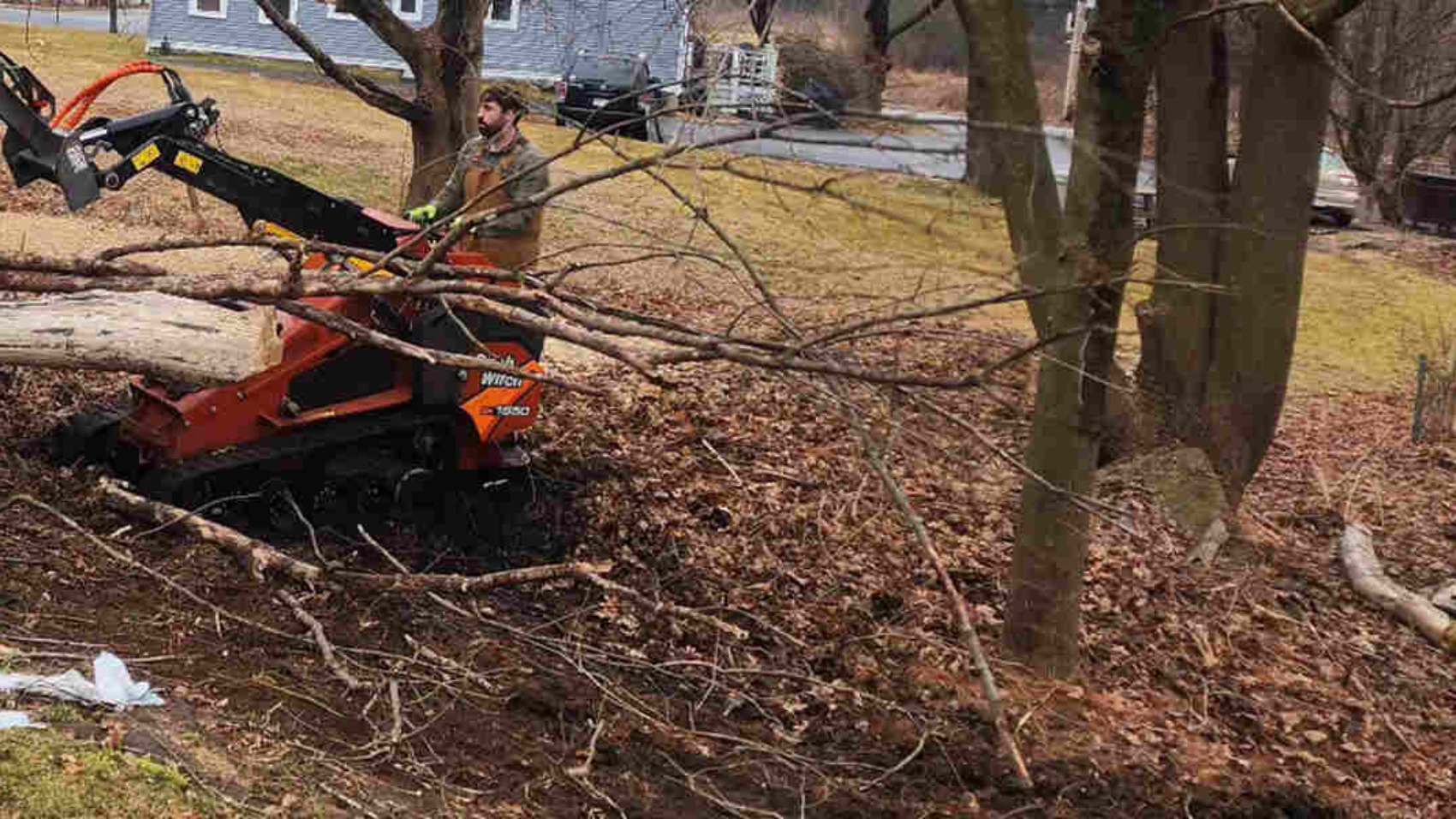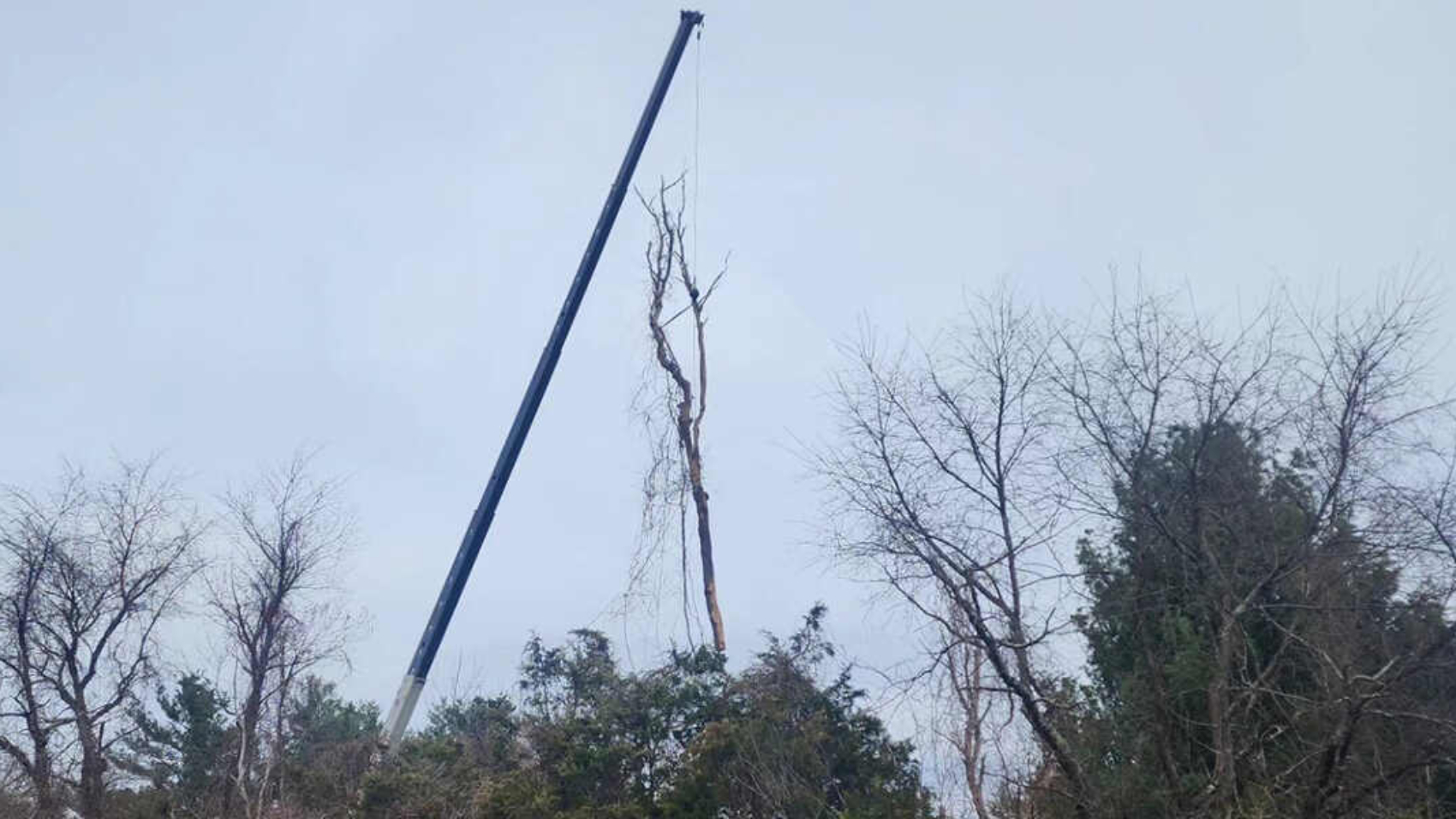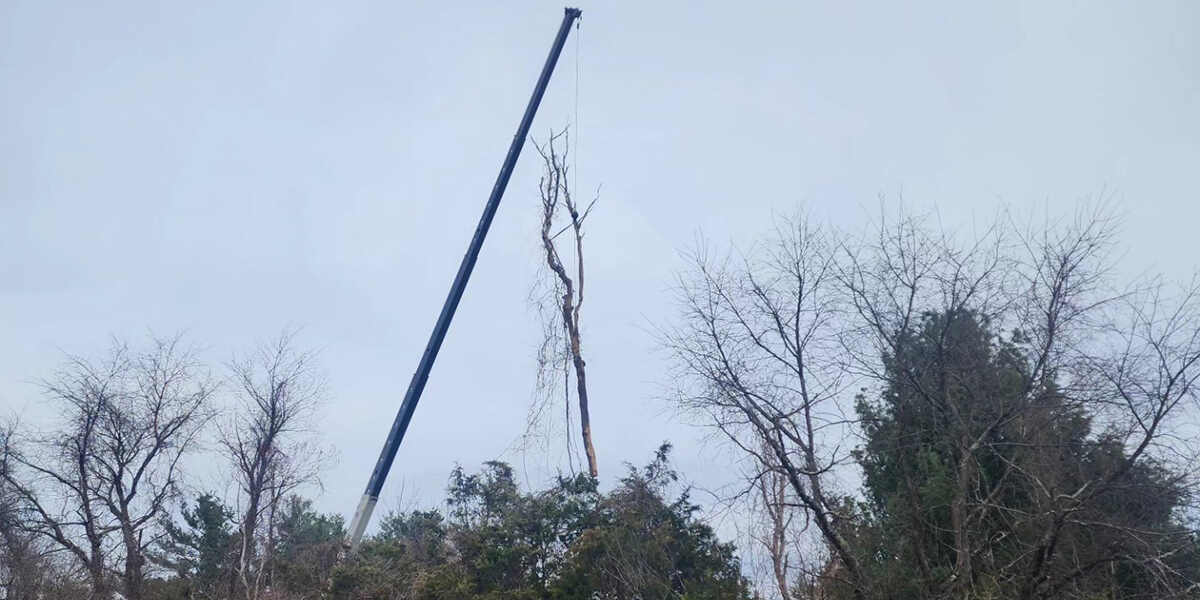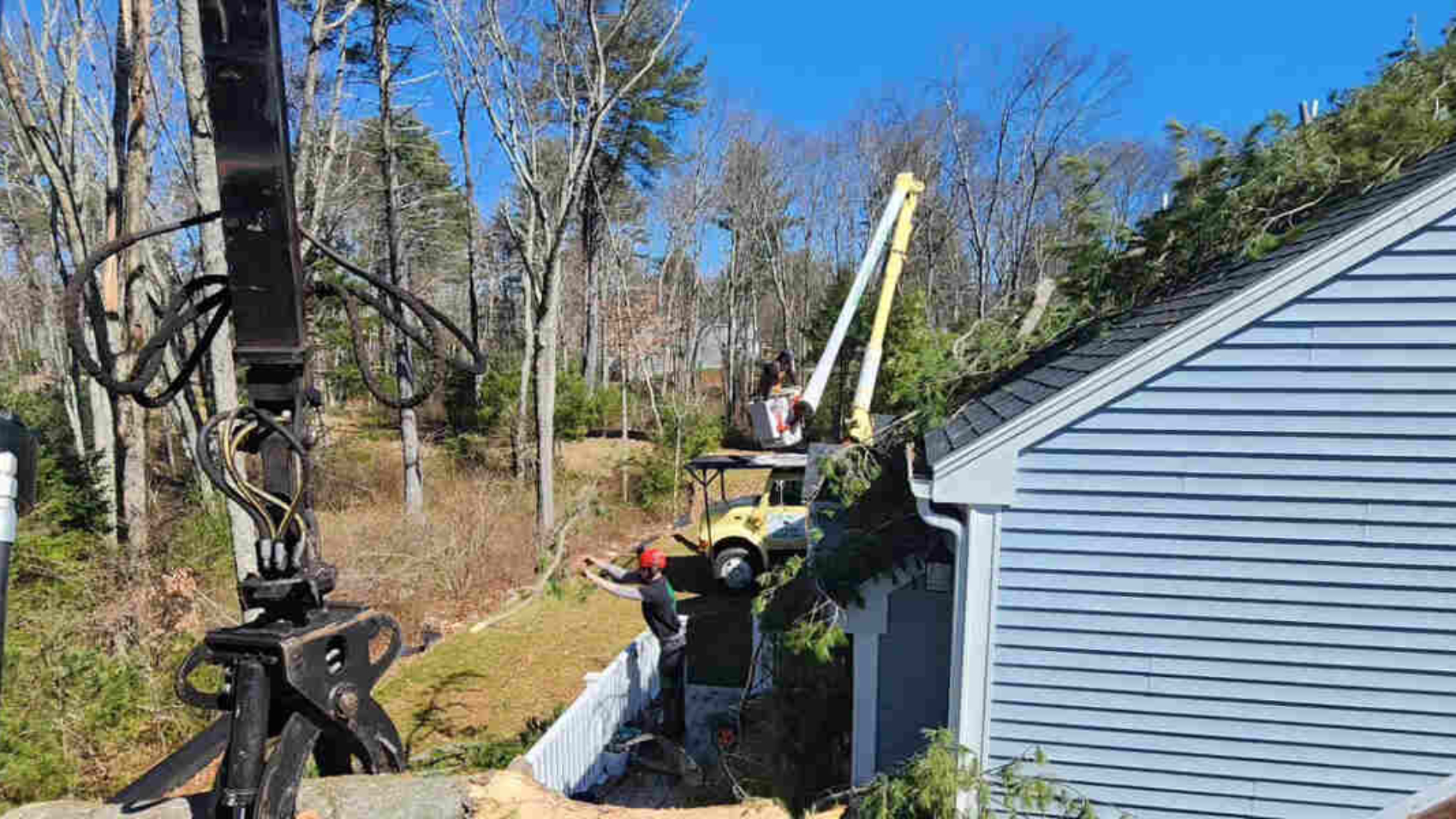
tree inspection

Why Regular Tree Inspections Are Crucial for Every Tree Owner

Do you have several trees in your yard that look beautiful and provide essential shade? Consider scheduling regular tree inspections to help care for them.

As the top-ranking tree service experts in Dover, MA, Brooke Tree Service remains passionate about caring for your trees and protecting your home. With regular inspections, we can help you avoid any serious or expensive issues.
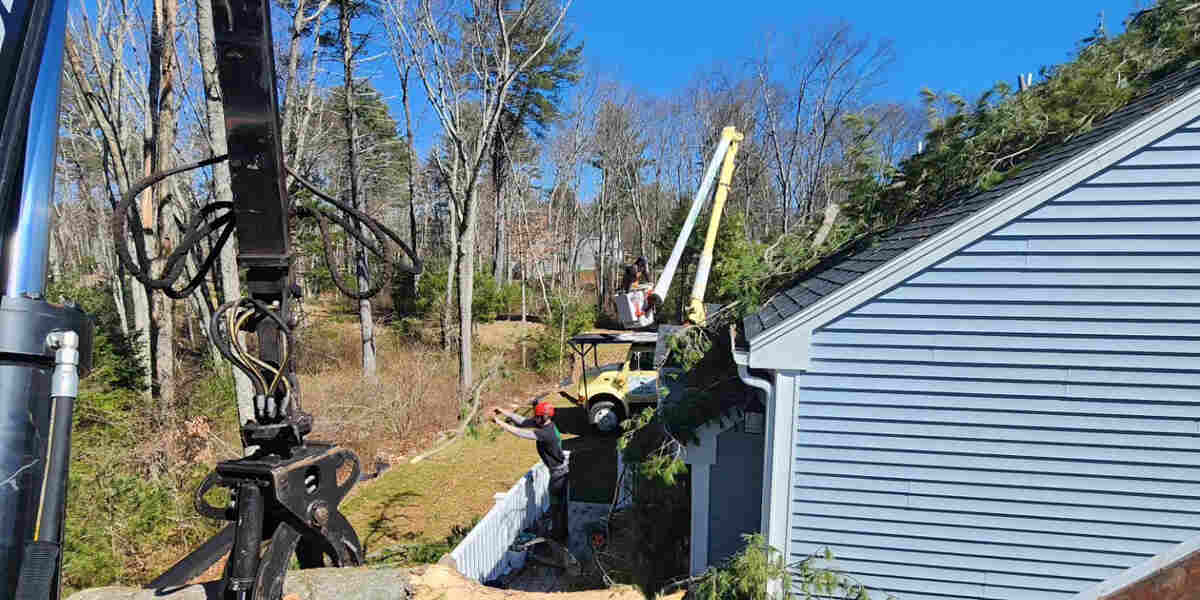
tree inspection

The Important Benefits of Regularly Inspecting Trees

Regular inspection is an essential part of caring for trees. In general, you should schedule an inspection every three years, which grants your trees and property the following benefits:

  • Prevents major problems: When you schedule an arborist assessment, they can detect minor problems with tree structure and health before they become serious. Early intervention can save your trees and help you avoid spending serious money on removing them.
  • Maintains property value: Unhealthy trees drag down property value both because they look bad and they pose a safety risk. When potential buyers see you care for their trees, they’ll feel comfortable offering you a higher price.
  • Avoids liabilities: If your tree falls and injures someone or damages property, you’re liable for damages if you didn’t properly care for your tree. Documenting regular tree inspections means you can file a successful insurance claim if anything happens.
  • Improves tree health: Trees provide oxygen, beauty, and a home for animals essential to the local ecosystem. Keeping them healthy benefits the entire community and inspections keep them strong and living longer.
  • Saves money: With reduced liability and avoiding major issues, investing in inspections saves you money in the long term.

What Happens During Tree Inspections?

When you schedule an inspection for your tree, it includes the following components:

  • A branch structure analysis helps determine whether your tree needs pruning or trimming.
  • With root system inspection an arborist can assess the health of your roots and whether they pose a hazard to surrounding structures or trees.
  • During tree risk assessment the expert identifies whether your tree has a vulnerability to serious problems.
  • With disease identification, an arborist can determine the best course of treatment for unhealthy trees.
  • After a tree health evaluation, you’ll have the confidence of knowing your trees are in great condition or will get there soon with help.

Signs You Need Tree Inspections

How do you know you need an inspection before the standard three-year period?

  • Unhealthy branches: If you notice rotting or brittle branches, schedule an inspection.
  • Fungus: If you see fungus growing on your tree, it likely has a disease that needs assessment.
  • Damage: Damage to the tree’s trunk or roots won’t necessarily doom your tree provided you address the issue early.
  • Leaning: If you notice a tree leans farther than before, scheduling an inspection can help fortify it so it doesn’t fall over.

Schedule Tree Care Services Today

When you need a reliable tree inspection, reach out to Brooke Tree Service. Whether you’re wondering about the best time to hire tree service or need emergency service to remove a hazardous tree, we complete every job efficiently and for a competitive price. Call (508) 613-5044 to receive your free estimate and learn more.
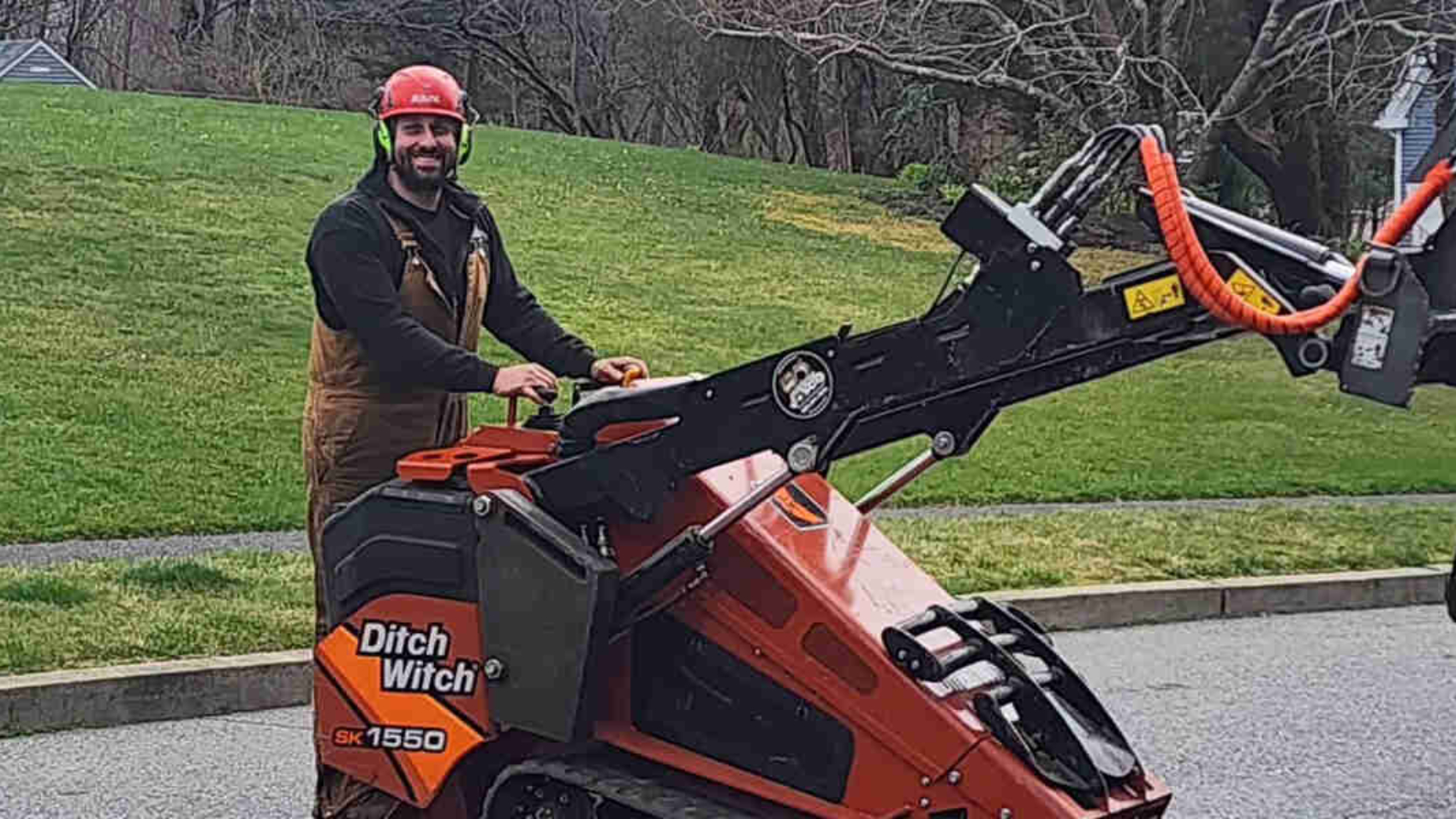
what is an arborist

What Is an Arborist, and Why Do You Need One in Natick, MA?

What is an arborist? Do you really need to consult with a tree care specialist before planting, trimming, or removing trees on your property? The experts at Brooke Tree Service are here to answer these questions and more.

We’re a reputable tree service company in Natick that deals with a wide range of arbor issues. Find out how our arborists on staff approach everything from tree disease diagnosis to tree removal and more.

what is an arborist

Arborists Are Tree Experts Who Handle Several Tasks

No one knows more about arboriculture than professional arborists. These urban forestry experts focus on tree health management from the time you first plant a seed to well past the time the tree fully matures. Arborists serve as tree doctors who can identify issues like diseases, fungal infections, and pest infestations and then treat them appropriately. 

They also provide guidance for a wide range of other tree care services, including:

  • Tree pruning and trimming
  • Tree removal
  • Stump grinding
  • Soil testing and fertilization

Arborists must study their craft for years and earn the proper certification before they can bring their expertise to communities. 

Key Components of Arborist Consultations

What is an arborist’s role when you contact them for a consultation? Natick property owners can expect certified arborists to focus on the following aspects of tree health during a consultation. 

Tree Disease Diagnosis

Various tree species can decay rapidly if a disease takes over. Arborists know how to recognize the signs of a tree disease and act quickly to treat it and minimize the damage. 

Tree Health Management

Some trees don’t grow due to malnourished soil, water intake, or other issues. Let a professional inspect your vegetation and recommend tips for helping it reach its full growth potential. Arborists will monitor a tree’s health and continue to provide tips to property owners. 

Assessing Safety Risks

If a tree starts leaning toward your home, call an arborist. They’ll evaluate the tree’s condition and the safety risks it poses. Hazardous trees often need to come down for your safety. 

Even if a tree doesn’t appear dangerous to you, it could be decaying and at risk of falling over. An arborist will take the guesswork out of safety assessments and recommend the best course of action. 

Why You Need an Arborist

Consult an arborist before you make any changes to the trees on your property. DIY pruning or tree removal can have dire consequences if you don’t have the proper training. Experts understand the best way to perform basic tree services and can even help with planting to ensure your tree thrives in its environment. 

Meet With an Arborist Near You – Contact Brooke Tree Service

Stop wondering, “What is an arborist and do I really need one?” The specialists at Brooke Tree Service have the proper certification to handle projects that amateurs can’t. We know how to cut leaning trees on your property, trim branches to promote growth, and much more.

If you need a reliable arborist in Natick, MA, give us a call at (508) 613-5044. Learn more now.

can trees die of old age

Can Trees Die of Old Age in Millis, MA?

If you want to know, “Can trees die of old age?” you might have an old tree you’re worried about eventually saying goodbye to, or one that looks like it’s in decline.

All trees will go downhill eventually, but it’s possible to lengthen their lifespans with good care. Here’s what to know from Brooke Tree Service, one of the most highly-rated tree specialists in Millis.

can trees die of old age

Can Trees Die of Old Age?

It might surprise you to learn that trees don’t actually die of old age. Rather, the older a tree gets, the more susceptible it becomes to pests, drought, and a lack of nutrients. All of these cause trees to decline and die.

Research shows that tree cells continue functioning instead of shutting down, a fact that makes Giant Redwoods possible. Technically, when a tree expires, it does so because of a function that ceases rather than being past its prime.

The Relationship Between Trees and Humans

One of the main things that causes trees to die is humans. Cutting trees down for construction, providing insufficient care, and neglecting to pay attention to the climate needs of a tree all cause tree death. 

People who want to care for their trees but lack the training also kill trees. For instance, they cut short a tree’s lifespan with:

  • Overwatering
  • Improper pruning techniques
  • Performing inadequate wound care

Can trees die of old age? Humans cause a tree more problems than aging.

However, humans are also trees’ biggest allies. We plant trees because we love to look at them, and champion causes that prevent them from being cut down. We protect them within parks. Some people hire professional tree services to take care of their trees regularly, which helps address tree problems such as insect infestations at the early stages. 

Tree Vulnerability Increases With Age

An old tree stops growing and reduces its participation in photosynthesis. This decreases its ability to fight off pest infestations and diseases, much like an older adult struggles to heal from a broken bone.

Age takes its toll, and our biological response is not as vibrant as it once was.

However, tree services can help a tree continue to thrive, like how doctors help people do the same.

While the answer to, “Can trees die of old age?” isn’t straightforward, this information proves that a tree that receives regular care has a better chance of standing tall for a long time.

What Tree Maintenance Includes

Because you’re asking, “Can trees die of old age?”, you should learn more about tree maintenance, which includes:

  • Mulching
  • Pruning and Trimming
  • Fertilizing

If the tree needs to come down because it poses a risk to people and property, you can:

  • Have the tree milled
  • Use the lumber to build furniture and fences
  • Take it to an approved area to disintegrate naturally, providing nourishment to the earth

These choices transform the tree for a new beginning.

Contact Brooke Tree Service To Care for Trees of All Ages

Brooke Tree Service provides professional tree services in the Millis area. Our five-star reviews prove that our services make a difference in the health of our client’s trees and the beauty of their property.

We take great care to educate our clients about trees and what constitutes appropriate care for each species we encounter. We can explain why bark is falling off a tree and why that’s not always bad if that’s characteristic of the species. If you want to know what makes a tree thrive, we have the answers.

Feel free to bring up any more concerns you have about, “Can trees die of old age?” because we’re happy to help you understand them.

Contact us at 508-613-5044 to make an appointment soon.

different types of tree pruning

A Medfield, MA, Homeowner’s Guide to the Different Types of Tree Pruning

[et_pb_section fb_built=”1″ admin_label=”section” _builder_version=”4.16″ global_colors_info=”{}” theme_builder_area=”post_content” da_is_popup=”off” da_exit_intent=”off” da_has_close=”on” da_alt_close=”off” da_dark_close=”off” da_not_modal=”on” da_is_singular=”off” da_with_loader=”off” da_has_shadow=”on” da_disable_devices=”off|off|off”][et_pb_row admin_label=”row” _builder_version=”4.16″ background_size=”initial” background_position=”top_left” background_repeat=”repeat” global_colors_info=”{}” theme_builder_area=”post_content”][et_pb_column type=”4_4″ _builder_version=”4.16″ custom_padding=”|||” global_colors_info=”{}” custom_padding__hover=”|||” theme_builder_area=”post_content”][et_pb_text admin_label=”Text” _builder_version=”4.16″ background_size=”initial” background_position=”top_left” background_repeat=”repeat” global_colors_info=”{}” theme_builder_area=”post_content”]

Removing tree branches from healthy trees might be important for keeping them in the best possible condition. Overgrown trees and dead branches are detrimental to the tree’s health. Unbalanced or stressed trees also become safety hazards. 

That’s why top-notch tree specialists in Medfield, like Brooke Tree Service, use different types of tree pruning to achieve maximum tree health and beauty. Some techniques, like pollarding, only rarely apply, but others, like deadwooding and crown thinning, come standard. 

Here’s more about each type of tree pruning Brooke Tree Service might recommend.

different types of tree pruning

Crown Thinning 

Crown thinning is the most common method of pruning trees. To thin out the tree’s canopy, arborists strategically remove limbs from the uppermost part of the tree. Usually, they’ll focus on the smallest and weakest branches. 

The result of crown thinning is more sunlight, oxygen, and water reaching the lower limbs and soil. Removing these limbs also prevents broken and fallen branches during winter storms. If the smaller limbs can’t bear the weight of snow and ice, they may fall onto people, power lines, and property to cause damage. 

Deadwooding 

Dead or broken branches are not only unsightly, but they can also harm the overall health of your tree. Unless you remove a dead limb, it may spread its decay into the rest of the tree and kill it.

The technique of deadwooding eliminates these dead or dying branches to improve your tree’s appearance and overall well-being. Some arborists refer to crown thinning and deadwooding as crown cleaning.

Crown Reduction 

Is the tree too tall for its space on your property? Crown reduction may keep it from becoming top-heavy by removing some of the smaller branches at the crown. 

Unlike other different types of tree pruning, arborists reserve this approach for young trees that are still growing. The experts want to ensure your tree is strong when it hits its mature height. The extra weight from overgrown small branches could hinder that process without some help.

Crown Raising 

Crown raising is the opposite of crown reduction – it removes some of the lower limbs of the tree that are weighing things down. It, too, is best for young trees and may harm older specimens. 

Still, there are occasions when it may be necessary to prune a mature tree like this for safety reasons. For example, if: 

  • Lower branches interfere with power lines.
  • The tree hangs over a road.
  • The crown blocks signs, buildings, or the line of sight for drivers and pedestrians. 

Pollarding

Lastly, some trees benefit from pollarding, which eliminates every small branch. The technique leaves nothing but a framework of large branches extending from the trunk. 

The purpose here is to shape a young tree and encourage fast, lush growth. It’s extreme pruning and unsuitable for most trees.

Call the Tree Care Experts

The different types of tree pruning apply to different environments and even species, so you don’t want to get it wrong. Understanding the difference between tree trimming and tree pruning can help ensure your trees receive the appropriate care. Why not get in touch with Brooke Tree Service in Medfield, MA, at (508) 613-5044? Our extensive experience in pruning common tree types ensures the best outcome for your trees!

[/et_pb_text][/et_pb_column][/et_pb_row][/et_pb_section]
how to tell if a tree is overwatered or underwatered

How To Tell if a Tree Is Overwatered or Underwatered in Sherborn, MA

If you want a tree to grow up to be old and reliable, you’ll need to start it off strong with proper watering. Too much or too little water will cause trees to have several problems. If allowed to persist, these problems will eventually kill the trees.

The experts at Brook Tree Service are your trusted tree specialists in Sherborn. We can show you how to tell if a tree is overwatered or underwatered and help you bring incorrectly watered trees back to good health.

how to tell if a tree is overwatered or underwatered

How To Check the Soil for Moisture

Your trees may have physical symptoms revealing how much water they receive, but the soil reveals a lot.

The easiest way is to take a 6-inch dowel, screwdriver, or garden stake and drive it into the ground. If you can’t get very far, the soil is too dry. Moist soil will allow it to pass through fairly easily, and wet soil will be very easy, albeit a bit squishy.

For a clear picture of what’s happening, dig a small hole about 7 inches deep. The soil should be cool and moist. You should be able to roll it into a ball and break it apart, but this may not always work since sandy soil won’t hold together and clay soil will be sticky.

Symptoms of an Overwatered Tree

Trees need water, but don’t overdo it. Too much water will suffocate the roots by restricting the flow of oxygen. You’ll know you’re overwatering your trees if:

  • The soil around the tree is always muddy or puddling with excess water
  • Green leaves break easily
  • New growth is yellow or light green
  • New growth withers and dies

How To Resolve Overwatering

Don’t water your tree for about two weeks to allow the excess water to soak into the soil. Check the soil’s moisture to determine when to water again.

If it rains during this time, watch to see where water collects. If it collects at the base of the tree, add compost to the top few inches of soil to create better drainage. Consider rerouting rain spouts if they direct water toward your trees.

Symptoms of an Underwatered Tree

Underwatered trees may be easier to spot and might be more common as temperatures rise. You’ll notice:

  • Curled leaves with brown tips
  • Leaves turning yellow or brown
  • The tree canopy thinning out
  • Leaves dropping early, possibly in summer

How To Resolve Underwatering

Slow and deep watering will be more effective than quick and shallow. Water at the base of the tree, and be mindful of how much water drains away. You may need to use compost or mulch to retain moisture.

The Right Way To Water a Tree

Knowing how to tell if a tree is overwatered or underwatered is key to watering correctly.

Only water the ground so the roots can get all the water. Trunks and leaves won’t benefit from being wet, and may even develop diseases because of it.

Ensure your tree has properly draining soil to control overwatering and underwatering. Water will be able to reach the roots deep in the ground while excess water can drain away.

Dig up and observe your soil to determine if it’s sandy, loamy, or clay. Sandy soil drains quickly and needs to be watered more often, while clay soil holds onto more water and shouldn’t be watered as often. Loamy soil is ideal because it’s the middle option between the two.

Brooke Tree Service Is Here To Help

We’re tree professionals who can help you understand how tree roots get into pipes, how to tell if a tree is overwatered or underwatered, and everything in between. Call us at (508) 613-5044 for all your tree needs.

tree protection during construction

What to Use for Tree Protection During Construction

[et_pb_section fb_built=”1″ admin_label=”section” _builder_version=”4.16″ da_disable_devices=”off|off|off” global_colors_info=”{}” da_is_popup=”off” da_exit_intent=”off” da_has_close=”on” da_alt_close=”off” da_dark_close=”off” da_not_modal=”on” da_is_singular=”off” da_with_loader=”off” da_has_shadow=”on”][et_pb_row admin_label=”row” _builder_version=”4.16″ background_size=”initial” background_position=”top_left” background_repeat=”repeat” global_colors_info=”{}”][et_pb_column type=”4_4″ _builder_version=”4.16″ custom_padding=”|||” global_colors_info=”{}” custom_padding__hover=”|||”][et_pb_text admin_label=”Text” _builder_version=”4.27.2″ background_size=”initial” background_position=”top_left” background_repeat=”repeat” global_colors_info=”{}”]

Construction projects can take a heavy toll on your trees so you need to take protective measures to minimize damage and ensure your trees’ long-term health and safety.  

As the go-to tree specialists in Dover, Brooke Tree Service explains how to protect your trees during construction and what to use.  

tree protection during construction

Types of Construction-related Tree Damage  

Construction and landscaping projects can easily injure tree branches, trunks, or major roots which leaves trees damaged, stressed, or no longer stable after project completion. Common types of tree damage you might expect from a construction project include:  

  • Cut or damaged tree root system  
  • Sudden changes to tree exposure  
  • Broken and damaged branches and trunks  
  • Changes to soil levels  
  • Soil compaction  

Protective Structures and Materials  

Certified arborists receive specialized training in ways to prevent construction-related tree damage and can help you understand the necessary scope and types of protection for your project.   

Before kicking off your project, hire a tree care expert to visit the site, evaluate the conditions, and recommend the types of protection measures best suited for particular situations.   

Generally, what you use for protection should be sturdy and highly visible. Recommended measures for tree protection during construction include:  

  • Protective fencing  
  • Warning signs  
  • Wood barriers  
  • Thick layers of mulch or straw over the soil  

Since heavy equipment can cause significant damage to tree roots during construction, ask your arborist to explain the best practices for preserving them.   

For trees less than four years old, ensure barriers reach at least the drip line to protect the roots from compaction. For all other trees, we recommend that you install the barrier one foot from the trunk for every inch in diameter of the trunk.  

When you install a barrier, remember to check the area inside for appropriate water amounts and soil health. Keep the ground moist and top up deficient nutrients if necessary. 

Remember to work with your contractor to ensure that the construction crew uses excavation and trenching methods that preserve roots wherever possible. You also want to maintain clear communication throughout the project.  

If possible, visit the construction site regularly and document the construction procedures and tree protection measures. An arborist can help ensure the construction team sets up everything correctly and identify any early signs of deteriorating tree health or productivity

What to Guard Against  

Knowing what to guard your trees against helps you prepare better tree protection during construction. Common issues you want to guard against include:   

  • Bark removal  
  • Surface grading too close to the tree  
  • Trenching near the tree trunk  

Trust Your Local Tree Care Experts  

Now that you know a few tips about tree protection during construction, look no further than Brooke Tree Service when you need professional advice and the following services:   

  • Tree trimming and pruning  
  • Tree planting  
  • Tree removal  
  • Arborist services  

Are you unsure what to do with a dead tree in your yard? Contact us immediately to assess the situation and recommend the best course of action.  

Call Brooke Tree Service at (508) 613-5044 to get your free estimate for tree service in Dover, MA. 

[/et_pb_text][/et_pb_column][/et_pb_row][/et_pb_section]
soil for trees

Tree Planting for Beginners in Natick, MA: What Is the Best Soil for Trees?

Soil plays a crucial role in overall plant growth and health. Before you plant trees, ensure the soil suits them. But what constitutes good soil for trees?  

Brooke Tree Service, Natick’s certified tree specialists, delves into the various soil types every homeowner should know to determine the best soil for trees.  

soil for trees

Different Types of Soil  

Different trees and shrubs need different soils to grow strong and healthy. Why? Because different tree species have varying mineral and irrigation needs. You can often differentiate these soils by their color, texture, acidity, and more.

Sandy Soils  

Acidic and nutrient-poor, sandy soils have low water-retention qualities. They’re also light and warm, making them easy to work with.  

If you want to boost the nutrient profile and water-retention qualities of sandy soils, add organic matter. 

Clay Soils  

Clay soils weigh more, pack more nutrients, and boast improved water retention qualities compared to sandy soils. Their high compaction makes it challenging for water and air particles to go through easily. As regards texture, you’ll likely notice their smoothness when dry and stickiness when wet.  

Clay soils take more time to warm up because they comprise 25% clay particles. You can easily spot clay soil with characteristic cracks during summer days.  

Chalky soils  

Chalky or lime-rich soils often feature white lumps. They can be heavy or light. If you have chalky soil in your yard, choose plants that can withstand alkaline conditions because chalky soil often lacks the nutrients necessary to support some kinds of trees and shrubs.  

Adding a bit of clay soil to chalky soil will boost their nutrient content.  

Silt Soils  

Pure silt soils (rare) feature soil particles smaller than sand but larger than clay. As a fertile soil for trees, they have impressive water retention qualities. They also have a slippery texture. You’ll find silt soils near water bodies.  

Peat Soils  

Peat soil mainly consists of water particles and organic materials. They’re also rare and fertile like silt soils, making them among the best soil for trees. Peat soil provides excellent conditions for newly planted and young trees.  

Loamy Soils  

Essentially a mixture of sand, clay particles, and silt, loamy soil counteracts the drawbacks of each soil type. The mixture results in fertile, well-draining soil. You can make loamy soil using the existing soil you have, making it an affordable solution that works well for plants.   

However, remember to add a soil amendment like organic matter. This soil may include soil particles with high pH and calcium levels.   

Preparing the Best Soil for Planting trees  

If you want your trees to thrive after tree planting, ensure you have the right soil. Next, follow the following hacks to prepare the best soil for trees:  

  • Check the native soils of your planting site  
  • Choose a healthy tree that suits your soil  
  • Eliminate air pockets by digging holes  
  • Water the soil thoroughly with a soaker hose  
  • Add organic materials  

When planting the tree, prepare a large enough hole for the entire root system and ensure that the top of the root ball remains slightly higher than the surrounding ground level.  

Trust Your Local Tree Care Experts  

Looking for a dependable tree care partner? Your search ends at Brooke Tree Service. We can handle any tree care project, including:  

  • Tree trimming and pruning  
  • Tree removal and stump grinding/removal  
  • Tree planting  
  • Arborist services  
  • And more  

Whether you want to learn more about the best soil for trees or how long it takes for trees to grow, count on our competent crew for help.  

Call Brooke Tree Service at (508) 613-5044 to request your free estimate for tree service in Natick, Massachusetts, or beyond. See what we can do.

how do tree roots get into pipes

How Do Tree Roots Get Into Pipes?

How do tree roots get into pipes? Whether you have a mature specimen or a recently planted sapling on your property, this concern has likely crossed your mind.

As one of the best tree specialists in Medway, our team at Brooke Tree Service knows a thing or two about strategic planting and maintenance. Keep reading as we share some insights on root behavior and help you create a landscape harmonious with your property.

how do tree roots get into pipes

Why Trees Love Sewer Lines

Some sewer lines develop small cracks or loose joints over time and allow vapor or moisture to seep out. Tree roots, which are always on the lookout for water and nutrients, are incredibly adept at finding these breaches.

They naturally gravitate towards it and eventually infiltrate the pipes through the cracks. As the roots grow, they can cause significant blockages and even damage the system further.

Watch Out for These Red Flags

How do tree roots get into pipes? The better question is, how can you tell it’s happening when your plumbing lies several feet below the ground? You might not see the roots grow into the pipeline directly, but you can still detect its side effects:

  • Slow drains: Do you notice your sinks and tubs taking longer to drain? Root intrusion can cause water to flow out more slowly than usual.
  • Unpleasant odors: If you catch whiffs of something foul around your yard, you might have sewer line damage.
  • Gurgling noises: Strange sounds coming from your drains indicate air getting forced through the water due to restricted flow.
  • Frequent backups: Raw waste spilling into your home or office isn’t just messy and inconvenient; it’s also a health hazard. Maybe it’s time to call a professional plumber.
  • Uneven yard growth: Do you see unusually green and dense patches of grass in your lawn? Leaking sewer lines provide extra nutrients and cause flora above to grow more vigorously.

Preventing a Plumbing Disaster

Most arborists advise planting trees a safe distance away (at least 10 feet) from underground structures. They may also recommend varieties with shallow root systems less likely to seek out and invade your plumbing. Excellent options include amur maples, flowering dogwoods, and fringe trees.

You should also partner up with a local plumber to inspect your sewer lines regularly. Routine checkups can catch minor issues before they become bigger headaches. Why risk an expensive and inconvenient repair when a little proactive care goes a long way?

Your Go-To Tree Specialists in Medway, MA?

How do tree roots get into pipes? If you have more questions, Brooke Tree Service has you covered. Our crew loves to give practical advice that helps you maintain a beautiful and hazard-free landscape.

We can also provide a swift tree removal when you have one growing only a few feet away from the sewer line. Err on the side of caution and reach out to us before the tree’s roots become an issue.

Dial (508) 613-5044, or read our blog and learn the causes of a dead tree. Discover more today.

what to do with a dead tree

What To Do With a Dead Tree in Holliston, Ma

When your tree is leaning or looking decayed and hollow, you may wonder how to ensure your property’s safety. If you’re wondering what to do with a dead tree, you wonder correctly, since simply leaving it there isn’t a good or safe idea. If you want to know what to do with a dead tree, consider reading the material below by Brooke Tree Service, expert tree specialists in Holliston, MA.

what to do with a dead tree

What To Do With a Dead Tree: 4 Dead Tree Disposal Options

Dead trees are dangerous things, able to harm households and people below them should increment weather arise to give them a little push. When considering what to do with a dead tree, here are a few options:

1. Cut It Down

The first, probably most obvious choice, is to hire a professional tree company to come remove your tree. Depending on how serious your lean or rot, you may want to make it an emergency tree removal instead of waiting for a good appointment day. Since the causes of dead trees vary depending on your situation, you should be the best judge of how urgent your issue is.

2. Repurpose the Wood

If you decide to cut down the tree, consider repurposing the wood as firewood. Whether you have a log-burning stove, fireplace, or outdoor cookout to plan, there are all kinds of ways you can use the wood your professional tree company cuts down. But if you don’t have a use for it, you can also consider selling it. 

3. Decompose Naturally

One option for removing a dead tree safely is by having your tree-cutting professionals distribute it throughout your yard. Disposing of a dead tree by allowing it to decompose can help give nature a boost, helping your yard and improving the general ecosystem. If you don’t want that kind of litter in your yard, you can take your tree removal for dead trees elsewhere, such as a nearby forest where nearby animals and insects will feel the benefits — but only do so with permission, of course.

4. Convert It Into Gardening Material

Dealing with a dead tree in the yard doesn’t have to be an entirely wasteful process. You can use the wood, ground down, as mulch or gardening material to promote plant growth. If you’re planning on starting a garden, one method of how to handle dead trees involves using the dead tree to super-start the living. Consider centering your garden around elements of your fallen tree so that your efforts get a better start.

Leave Your Tree Needs to Brooke Tree Service

Now that you know what to do with a dead tree, why not call in some professionals to help? With Brooke Tree Service, you can get your tree-cutting issues taken care of with ease. We also offer services such as:

  • Stump grinding
  • Tree replanting
  • Tree pruning

Whether you need to determine the causes of dead trees or plant some new ones, we’re here to help. If you’re interested in Brooke Tree Services and would like to schedule a service, reach out to us at 508-613-5044.

common tree types

6 Common Tree Types in Holliston, MA

Massachusetts is a beautiful place. From the ocean to the foothills, it’s hard not to appreciate the arboreal life that makes this state so breathtaking. 

Depending a bit on your definition of a “tree,” Massachusetts is home to more than 80 species, some of which came from other continents. 

As highly rated tree specialists in Holliston, we get plenty of opportunities to see beautiful trees. Seriously, every other hill looks like the front of a postcard, and we have the state’s diverse plant life to thank for that. Let’s look at the six most common tree types!

common tree types

1. Norway Maple

Three guesses where this tree first came from. These trees are easily identifiable by their vibrant, lobed leaves — green in the summer and bright red or yellow in the winter. Each stands between 60 and 100 feet tall, which is great for shade. They have difficulty growing in western climates, making them unique to the northeast. 

2. American Beech

Another popular tree species is the American beech, especially in sloped and rocky areas. If you’ve ever gone backpacking, you’ve probably hiked past groves of them. You’ve also probably sat on one, too. The beech tree’s sturdy woodgrain makes it popular as both furniture and firewood. 

3. Eastern White Pine

This pine tree is one of the most common native types of trees in Holliston. It’s also the tallest, with some reaching up to 200 feet in height!  Eastern white pines are also incredibly long-lived; some in Wells State Park are believed to be older than the United States. If you own an older home, these were also likely used to build it.

4. Red Maple

One of the most well-known tree varieties is the humble red maple. This native tree species is also one of the most frequently planted trees in the area. You can probably guess why: when appropriately tapped, it produces maple syrup. This type of maple is identifiable by its distinctive, five-pronged leaves.

5. Black Cherry

Also known by its tastier name, the whisky cherry, this is one of the most common trees in Holliston and can be seen all over Massachusetts. Interestingly, it’s also made its way over to parts of northern Europe. You can spot this tree by its signature black cherries, which are safe to eat when adequately pitted. Just be sure to keep it away from any pets or animals. 

6. Pitch Pine

You can spot this tree with its large, stiff pine needles. It also produces a lot of resin, giving it a golden waxy coating during hotter parts of the year. The pitch pine was historically used by native Iroquois tribes to treat various injuries, like cuts, boils, and burns. 

Seek Assistance From Tree Experts in Holliston, MA

Brooke Tree Service is your go-to tree expert in Holliston. We’re your source for answers when you need to identify, remove, or replant any common tree types on your property. We’ve even got you if you wonder how long trees take to grow.

Call Brooke Tree Service at (508) 613-5044 today for answers, estimates, or jobs about any trees on your property.