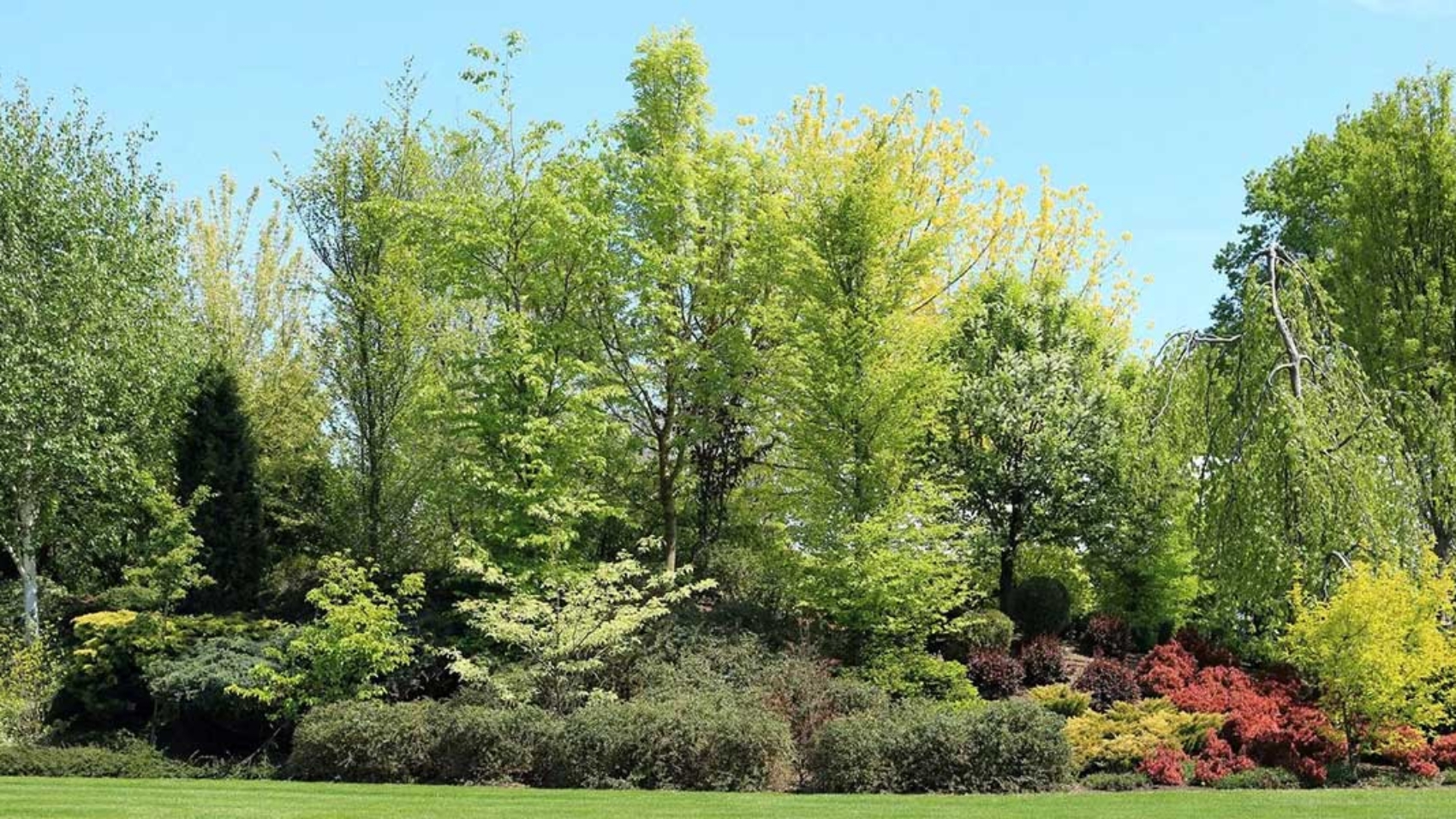
benefits of planting trees

The Environmental and Financial Benefits of Planting Trees

You’re probably at least vaguely familiar with the benefits of planting trees, like ample shade during hot weather, and their role in adding oxygen to the atmosphere. As your reliable tree service in Millis, MA, Brooke Tree Services knows that your property’s specimens may have more personal benefits for your family. Explore some surprising financial and environmental tree perks below. 
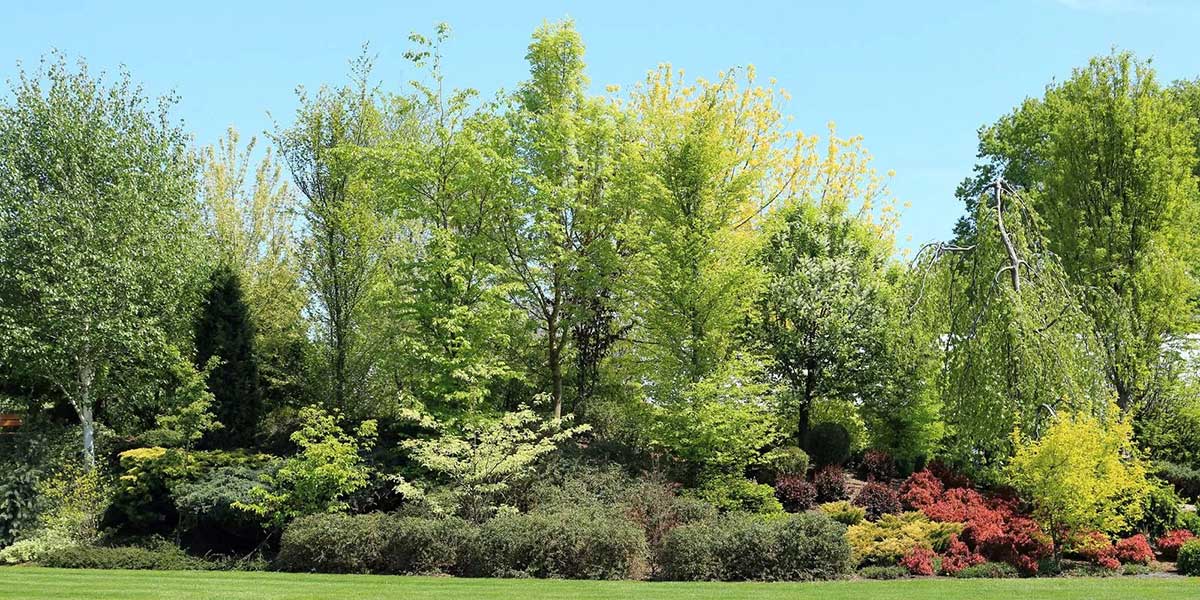
benefits of planting trees

You May Lower Your Utility Bills

If you own a stand-alone residential or commercial building, consider planting trees around it. An arborist can help you pinpoint the safest distance. Trees provide shade to houses and businesses, which keeps them cool during sweltering summers. Their coverage could lower your utility bills and keep some snow off your roof during frigid Massachusetts winters. 

You’ll Breathe Fresher Air

Plants inhale carbon dioxide and exhale oxygen. Since trees are among the biggest plant species, they offer substantial carbon storage. They are living air purification systems that filter pollution from the atmosphere. 

Cleaner air outside means healthier indoor air. If you have several beloved specimens surrounding your property, enjoy the benefits of planting trees by opening your windows during nice weather. Let that fresh air, courtesy of your oaks, pines, and other species, waft right into your home. 

You Will Conserve Water

How much water do you use to hydrate your lawn during hot, dry summers? Many property owners face exorbitant water bills yet struggle to maintain a lush green yard. Crispy grass decreases your property value and harms populations of beneficial insects, birds, and mammals. 

You Contribute To a More Diverse Local Habitat

Northwestern University’s trees enrich their native bird population. It’s not just birds that benefit from the leafy boughs, either. Countless native trees provide an extensive wildlife habitat for pollinators, reptiles, amphibians, and small mammals.

When trees bloom in the spring, they attract bees, wasps, and other beneficial insects looking for a snack after winter dormancy. In summer, squirrels and birds make their home in the shady, outstretched limbs. Many creatures use them as food sources and storage areas for their winter inventory. Not to mention that the fallen leaves provide shelter for beneficial bugs that might not survive the frigid temperatures otherwise. 

You Might Avoid Some Grocery Trips

Trees can feed pollinators and other critters with their blossoms, seeds, and foliage, but did you know that they can feed you? You might use your trees for sustenance in one of two ways. 

First, you can plant fruit or nut trees in your yard. Massachusetts is in hardiness zones 5a through 7a, which supports the following species:

  • Apple trees
  • Cherry trees
  • Fig trees 
  • Pear trees 
  • Hazelnut trees
  • Bread trees 
  • Almond trees

Next, trees assist with erosion control and shade. You might find these elements useful if you plant a garden bed on your property. The tree can prevent your soil from eroding and supply shade for sensitive crops. 

Learn More About the Benefits of Planting Trees From Brooke Tree Service in Millis, Massachusetts

The benefits of planting trees are endless. But can trees die of old age? Call Brooke Tree Service at 508-613-5044 for more answers in Millis, Massachusetts.

soil for trees

Tree Planting for Beginners in Natick, MA: What Is the Best Soil for Trees?

Soil plays a crucial role in overall plant growth and health. Before you plant trees, ensure the soil suits them. But what constitutes good soil for trees?  

Brooke Tree Service, Natick’s certified tree specialists, delves into the various soil types every homeowner should know to determine the best soil for trees.  

soil for trees

Different Types of Soil  

Different trees and shrubs need different soils to grow strong and healthy. Why? Because different tree species have varying mineral and irrigation needs. You can often differentiate these soils by their color, texture, acidity, and more.

Sandy Soils  

Acidic and nutrient-poor, sandy soils have low water-retention qualities. They’re also light and warm, making them easy to work with.  

If you want to boost the nutrient profile and water-retention qualities of sandy soils, add organic matter. 

Clay Soils  

Clay soils weigh more, pack more nutrients, and boast improved water retention qualities compared to sandy soils. Their high compaction makes it challenging for water and air particles to go through easily. As regards texture, you’ll likely notice their smoothness when dry and stickiness when wet.  

Clay soils take more time to warm up because they comprise 25% clay particles. You can easily spot clay soil with characteristic cracks during summer days.  

Chalky soils  

Chalky or lime-rich soils often feature white lumps. They can be heavy or light. If you have chalky soil in your yard, choose plants that can withstand alkaline conditions because chalky soil often lacks the nutrients necessary to support some kinds of trees and shrubs.  

Adding a bit of clay soil to chalky soil will boost their nutrient content.  

Silt Soils  

Pure silt soils (rare) feature soil particles smaller than sand but larger than clay. As a fertile soil for trees, they have impressive water retention qualities. They also have a slippery texture. You’ll find silt soils near water bodies.  

Peat Soils  

Peat soil mainly consists of water particles and organic materials. They’re also rare and fertile like silt soils, making them among the best soil for trees. Peat soil provides excellent conditions for newly planted and young trees.  

Loamy Soils  

Essentially a mixture of sand, clay particles, and silt, loamy soil counteracts the drawbacks of each soil type. The mixture results in fertile, well-draining soil. You can make loamy soil using the existing soil you have, making it an affordable solution that works well for plants.   

However, remember to add a soil amendment like organic matter. This soil may include soil particles with high pH and calcium levels.   

Preparing the Best Soil for Planting trees  

If you want your trees to thrive after tree planting, ensure you have the right soil. Next, follow the following hacks to prepare the best soil for trees:  

  • Check the native soils of your planting site  
  • Choose a healthy tree that suits your soil  
  • Eliminate air pockets by digging holes  
  • Water the soil thoroughly with a soaker hose  
  • Add organic materials  

When planting the tree, prepare a large enough hole for the entire root system and ensure that the top of the root ball remains slightly higher than the surrounding ground level.  

Trust Your Local Tree Care Experts  

Looking for a dependable tree care partner? Your search ends at Brooke Tree Service. We can handle any tree care project, including:  

  • Tree trimming and pruning  
  • Tree removal and stump grinding/removal  
  • Tree planting  
  • Arborist services  
  • And more  

Whether you want to learn more about the best soil for trees or how long it takes for trees to grow, count on our competent crew for help.  

Call Brooke Tree Service at (508) 613-5044 to request your free estimate for tree service in Natick, Massachusetts, or beyond. See what we can do.