tree cutting vs tree removal

The Difference Between Tree Cutting and Tree Removal

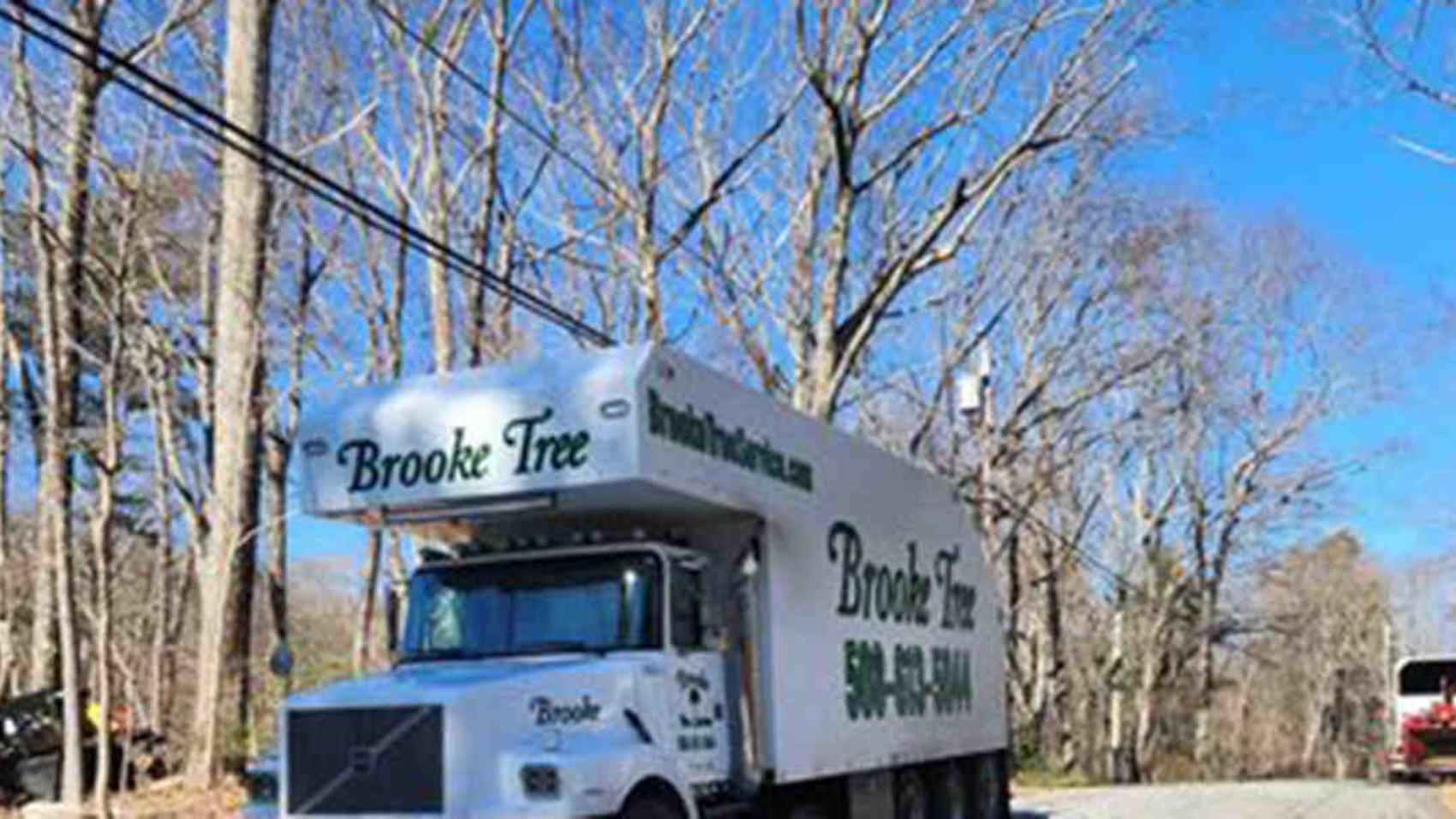
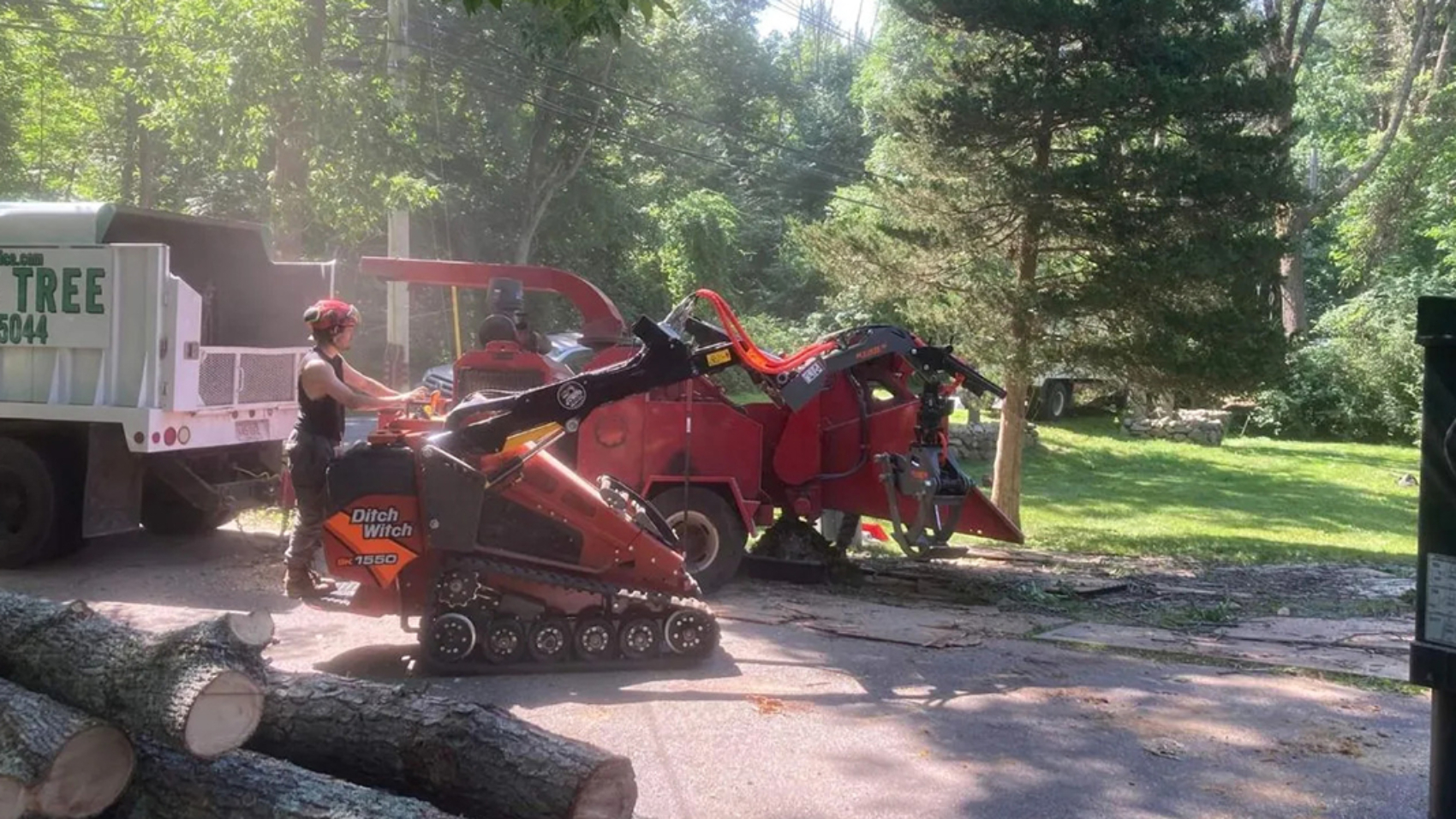
Tree cutting vs. tree removal: which would serve your property better? Brooke Tree Service conducts all types of tree services in Natick, MA, so our arborists have plenty of experience to share as you make this decision. Let’s take a look at these two tree management approaches below.
tree cutting vs tree removal

The Nuances of Tree Cutting vs. Tree Removal

A dependable local tree service company will offer you numerous tree service options. How do you decide between tree cutting vs. tree removal? The decision depends on a few factors, including the company’s capabilities and equipment, your tree’s proximity to things, and the situation.

What Purpose Does Tree Cutting Serve?

Some service providers refer to pruning or trimming services as “tree cutting,” but you’ll more often hear it in reference to a full tree felling. In this context, tree cutting is generally a simpler service than “removal.” Here’s how cutting works:

  • The arborist makes a cut as close to the base of the tree as possible. 
  • They might cut out a full wedge, depending on the tree-cutting techniques they follow.
  • They make a final “felling” cut on the other side to encourage the tree to fall forward. 

A tree removal process is more complex. For example, the arborist doesn’t simply cut from the base to encourage the tree to fall.

What Is Tree Removal?

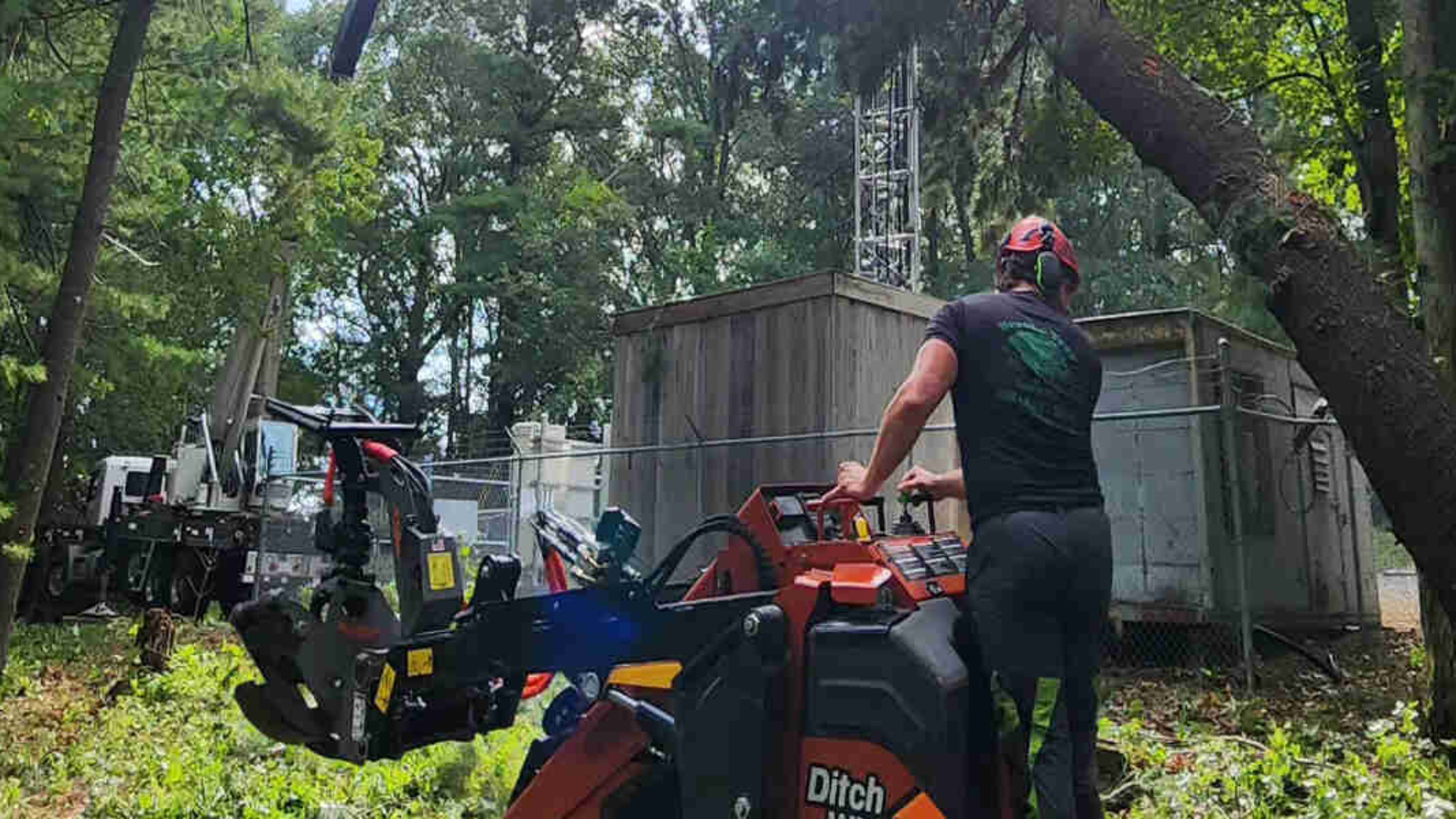
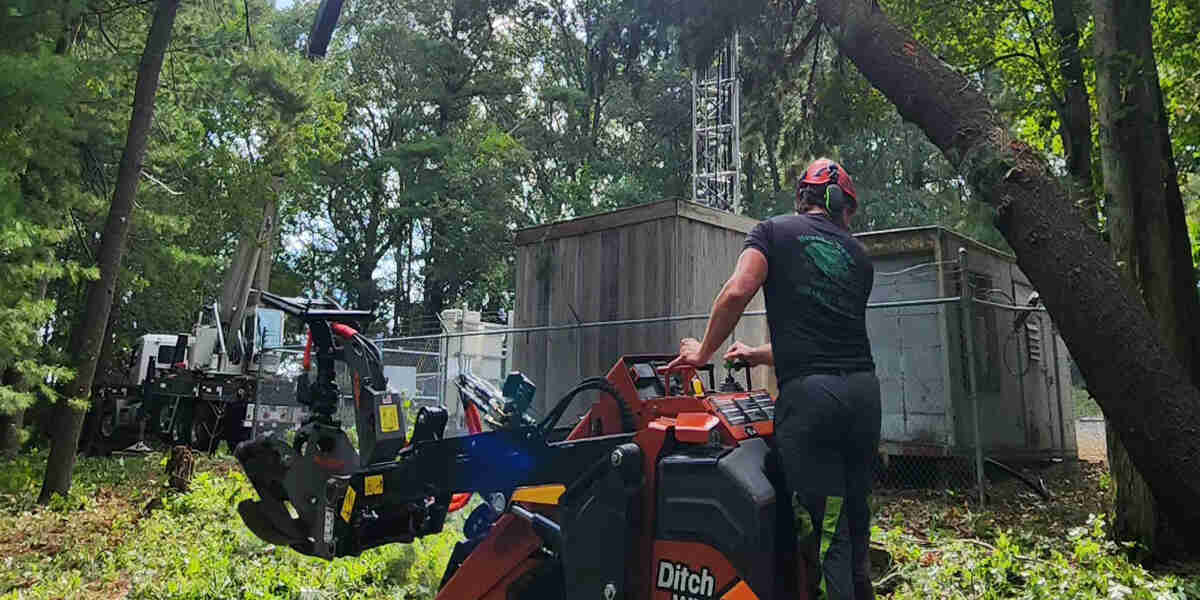
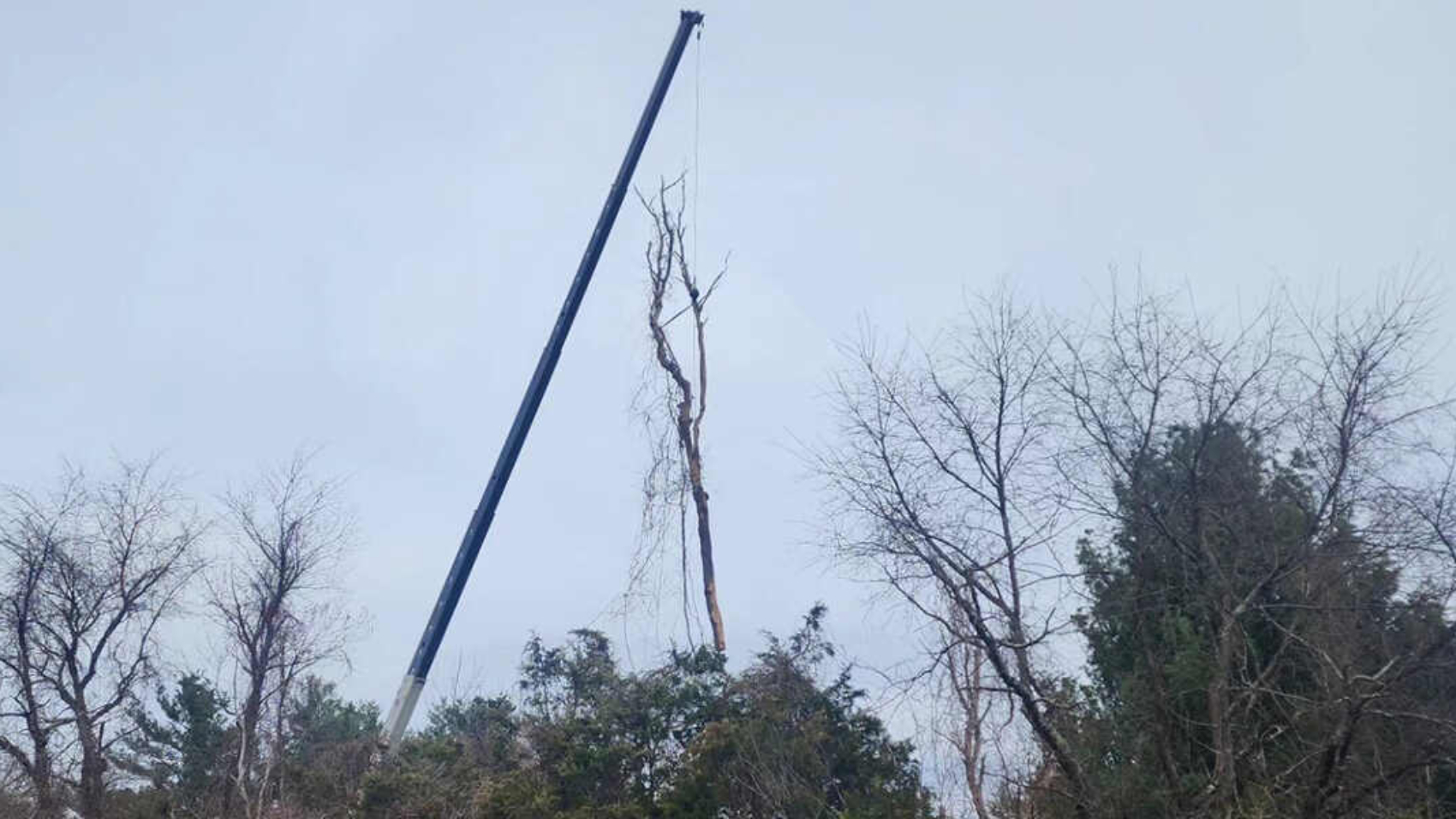
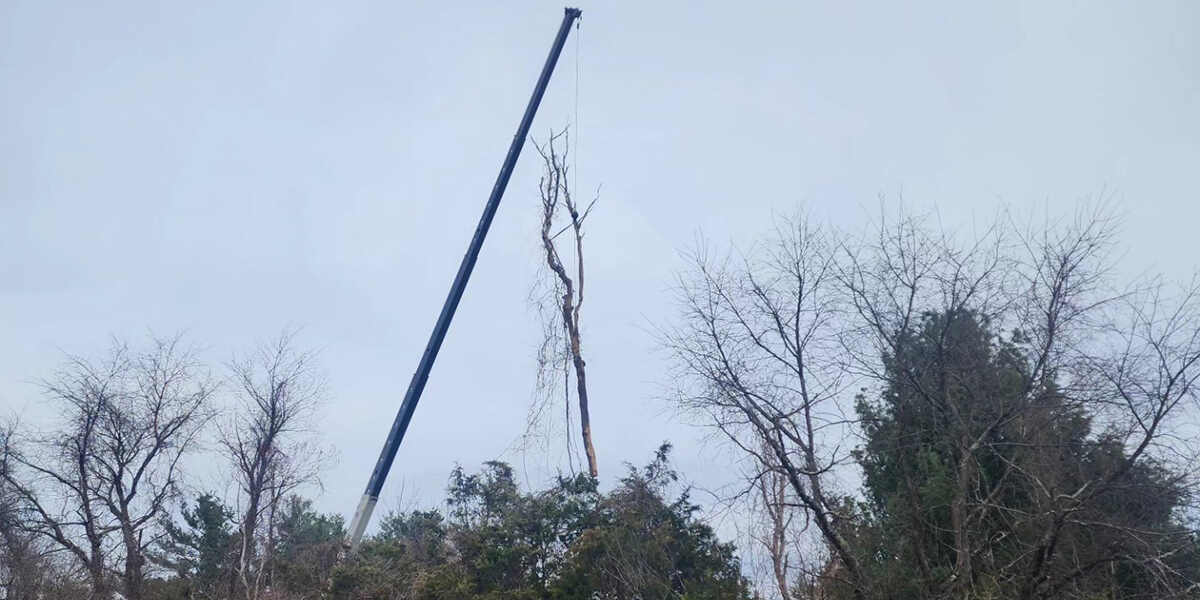
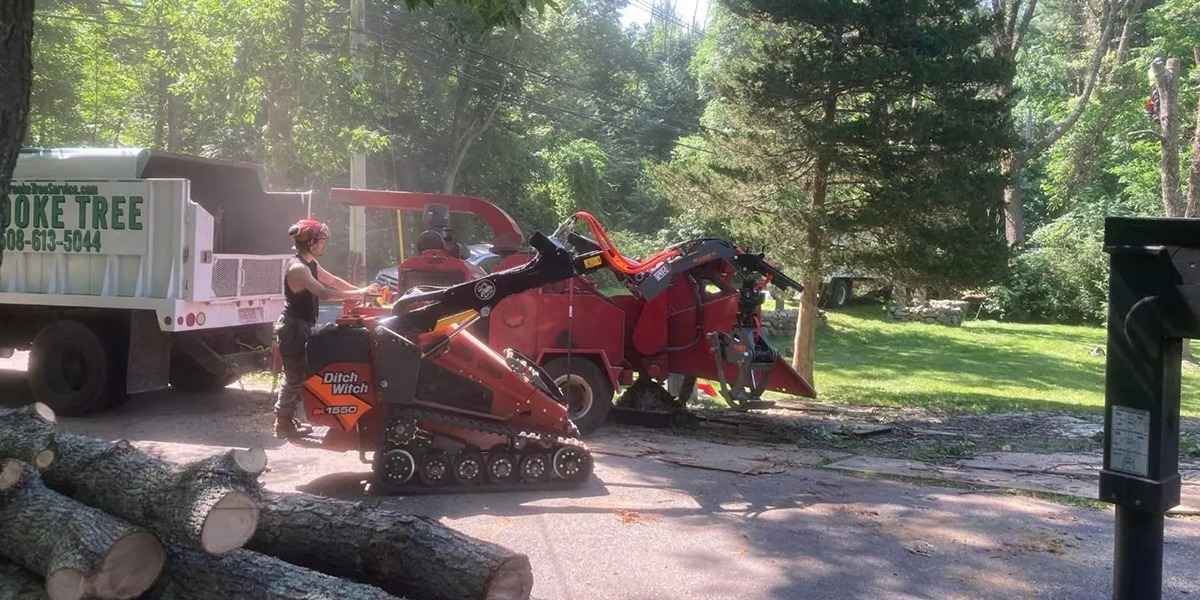
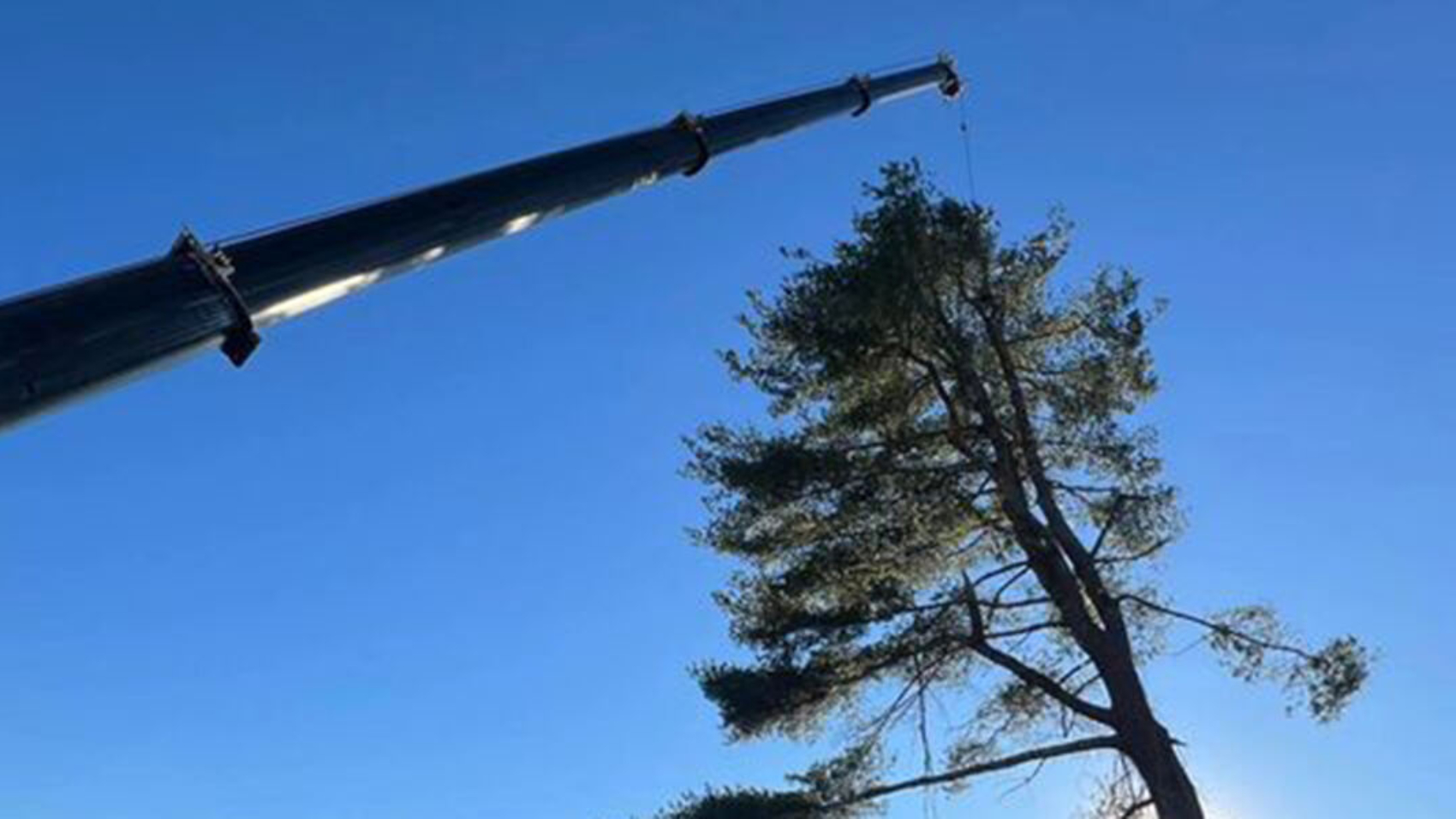
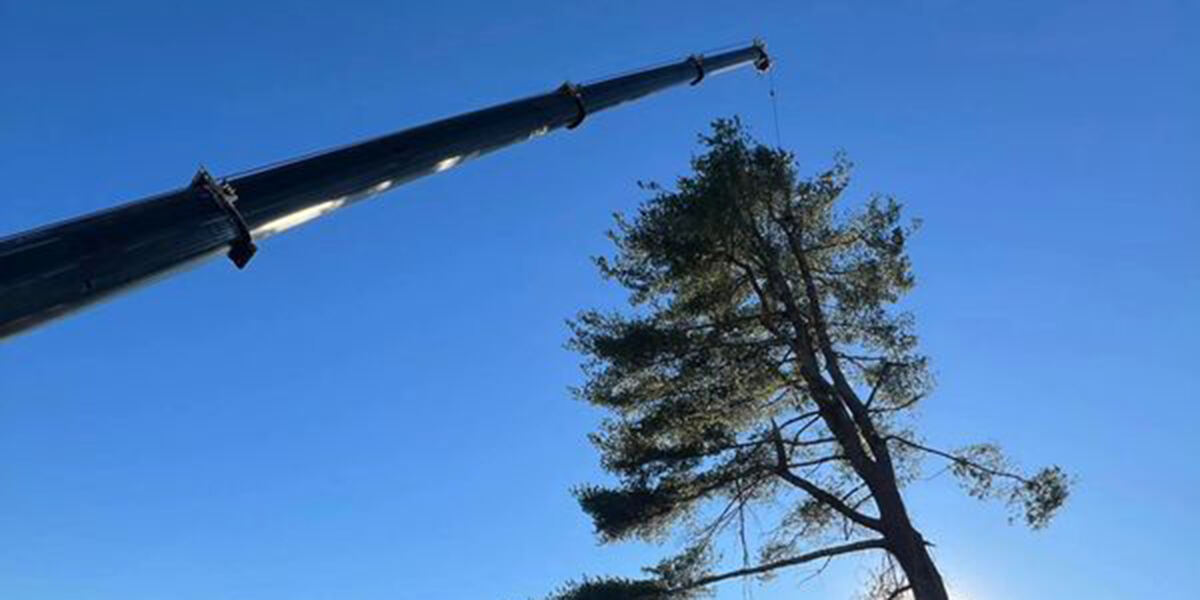
The tree removal process is more than felling. Instead, the team will carefully disassemble the tree, starting from the top and moving down bit by bit. 

First, they’ll remove the branches. Then, they cut the trunk away piece by piece, lowering each one down safely. Stump removal services often form part of the overall tree removal. 

Tree Cutting vs. Tree Removal: Which Do You Pick for Your Property?

When you’re choosing between tree cutting vs. tree removal, request a tree health assessment to verify whether the tree needs removal in the first place. Some specimens are weakened, but you can nurse them back to health. After that, discuss professional tree services and get some quotes.

Typically, tree cutting might work best if:

  • You have no power lines or building structures near the tree, so free-falling is safe. 
  • You don’t have to worry about passing traffic or people or have to request permission to section off any nearby roads or sidewalks.

Is your tree still at a manageable height and width? The bigger the tree, the more unpredictable the job. Unless you have a wide-open space for larger specimens to fall, consider removal services instead. 

Typically, tree removal costs a little more than cutting because the arborist must have more control over the removal service and safely maintain the surrounding area. Both services require cleanup and loading.

Brooke Tree Service Takes Care of Your Property With Safe Tree Removal Services in Massachusetts

Tree cutting vs. tree removal is an easy choice if you live in a residential or heavily populated area – let Brooke Tree Service take on the arduous task of dismantling damaged or dead specimens safely! If you’re considering tree removal services in the area, call 508-613-5044 for your free service estimate from our tree professionals!
tree removal process

A Step-By-Step Guide to Tree Removal

If you have a dead or dying tree on your property, you have probably thought about removing it yourself. If the tree isn’t too large or wide, you may be able to handle some elements of the removal on your own. 

This step-by-step guide on the tree removal process will tell you what an arborist might consider and look out for when getting a dead tree out of your yard. You may also contact Brook Tree Services today for the best tree service in Medfield, MA.

tree removal process

Gather Equipment

First, for equipment preparation, you will need:

  • Gloves and goggles for safety precautions
  • Hardhat
  • Ear protection
  • Chainsaw
  • Ropes
  • Axe (optional)
  • Shovel

Do not attempt tree felling without the requisite safety equipment, or else you could injure yourself. 

Clear Space Near the Tree

Basic tree removal guidelines say you should perform a site assessment and clear a space as large as twice the height of the tree around the trunk. You want to move all vegetation, such as plants and bushes, and any yard fixtures. 

Specifically, you want the most space in the direction that you will eventually fell the tree. The falling tree can cause damage if you do not clear enough room when removing it. 

Remove Dead Branches

Before felling the tree, you should remove dead branches to make the job easier and less messy. Larger dead branches could snap off and cause injury when the larger trunk falls. 

Experts will remove any branch that is longer than a few feet, if possible. If the branches are still springy and cannot snap off, you can tie them down and secure them to the trunk to prevent them from getting in the way.

Cut a V-Shape

When it’s time to actually cut the tree, the arborist will start making a V-shaped notch with a chainsaw that faces the direction you want the tree to fall. 

Start at an angle and cut with the chainsaw until you are about a third of the way through the thickest part of the trunk. Take the chainsaw out and start making another cut at an angle about a foot below the first one. Once the two cuts connect, remove the wooden wedge. 

Cut the Back

Next, use the chainsaw and cut a small notch in the back of the V-shape. Then, cut horizontally into the trunk about eight inches deep. You may have to push the tree to get it to fall completely. 

Limbing and bucking can cut the tree into smaller manageable parts for removal. 

Remove the Stump

After the trunk is down, use the chainsaw and an axe to cut the stump and roots. If necessary, you can use the shovel to dig up the roots before mulching them with the chainsaw. Don’t leave the stump in your yard, as it can attract pests and tree disease. 

Tree Removal Services in Millis

Brooke Tree Service is committed to excellence and empowering our community in Medfield, MA, with our high-quality tree services. If you would like to learn more about the tree removal process or tree death causes, contact us online or call (508) 613-5044.

can trees die of old age

Can Trees Die of Old Age in Millis, MA?

If you want to know, “Can trees die of old age?” you might have an old tree you’re worried about eventually saying goodbye to, or one that looks like it’s in decline.

All trees will go downhill eventually, but it’s possible to lengthen their lifespans with good care. Here’s what to know from Brooke Tree Service, one of the most highly-rated tree specialists in Millis.

can trees die of old age

Can Trees Die of Old Age?

It might surprise you to learn that trees don’t actually die of old age. Rather, the older a tree gets, the more susceptible it becomes to pests, drought, and a lack of nutrients. All of these cause trees to decline and die.

Research shows that tree cells continue functioning instead of shutting down, a fact that makes Giant Redwoods possible. Technically, when a tree expires, it does so because of a function that ceases rather than being past its prime.

The Relationship Between Trees and Humans

One of the main things that causes trees to die is humans. Cutting trees down for construction, providing insufficient care, and neglecting to pay attention to the climate needs of a tree all cause tree death. 

People who want to care for their trees but lack the training also kill trees. For instance, they cut short a tree’s lifespan with:

  • Overwatering
  • Improper pruning techniques
  • Performing inadequate wound care

Can trees die of old age? Humans cause a tree more problems than aging.

However, humans are also trees’ biggest allies. We plant trees because we love to look at them, and champion causes that prevent them from being cut down. We protect them within parks. Some people hire professional tree services to take care of their trees regularly, which helps address tree problems such as insect infestations at the early stages. 

Tree Vulnerability Increases With Age

An old tree stops growing and reduces its participation in photosynthesis. This decreases its ability to fight off pest infestations and diseases, much like an older adult struggles to heal from a broken bone.

Age takes its toll, and our biological response is not as vibrant as it once was.

However, tree services can help a tree continue to thrive, like how doctors help people do the same.

While the answer to, “Can trees die of old age?” isn’t straightforward, this information proves that a tree that receives regular care has a better chance of standing tall for a long time.

What Tree Maintenance Includes

Because you’re asking, “Can trees die of old age?”, you should learn more about tree maintenance, which includes:

  • Mulching
  • Pruning and Trimming
  • Fertilizing

If the tree needs to come down because it poses a risk to people and property, you can:

  • Have the tree milled
  • Use the lumber to build furniture and fences
  • Take it to an approved area to disintegrate naturally, providing nourishment to the earth

These choices transform the tree for a new beginning.

Contact Brooke Tree Service To Care for Trees of All Ages

Brooke Tree Service provides professional tree services in the Millis area. Our five-star reviews prove that our services make a difference in the health of our client’s trees and the beauty of their property.

We take great care to educate our clients about trees and what constitutes appropriate care for each species we encounter. We can explain why bark is falling off a tree and why that’s not always bad if that’s characteristic of the species. If you want to know what makes a tree thrive, we have the answers.

Feel free to bring up any more concerns you have about, “Can trees die of old age?” because we’re happy to help you understand them.

Contact us at 508-613-5044 to make an appointment soon.

what to do with a dead tree

What To Do With a Dead Tree in Holliston, Ma

When your tree is leaning or looking decayed and hollow, you may wonder how to ensure your property’s safety. If you’re wondering what to do with a dead tree, you wonder correctly, since simply leaving it there isn’t a good or safe idea. If you want to know what to do with a dead tree, consider reading the material below by Brooke Tree Service, expert tree specialists in Holliston, MA.

what to do with a dead tree

What To Do With a Dead Tree: 4 Dead Tree Disposal Options

Dead trees are dangerous things, able to harm households and people below them should increment weather arise to give them a little push. When considering what to do with a dead tree, here are a few options:

1. Cut It Down

The first, probably most obvious choice, is to hire a professional tree company to come remove your tree. Depending on how serious your lean or rot, you may want to make it an emergency tree removal instead of waiting for a good appointment day. Since the causes of dead trees vary depending on your situation, you should be the best judge of how urgent your issue is.

2. Repurpose the Wood

If you decide to cut down the tree, consider repurposing the wood as firewood. Whether you have a log-burning stove, fireplace, or outdoor cookout to plan, there are all kinds of ways you can use the wood your professional tree company cuts down. But if you don’t have a use for it, you can also consider selling it. 

3. Decompose Naturally

One option for removing a dead tree safely is by having your tree-cutting professionals distribute it throughout your yard. Disposing of a dead tree by allowing it to decompose can help give nature a boost, helping your yard and improving the general ecosystem. If you don’t want that kind of litter in your yard, you can take your tree removal for dead trees elsewhere, such as a nearby forest where nearby animals and insects will feel the benefits — but only do so with permission, of course.

4. Convert It Into Gardening Material

Dealing with a dead tree in the yard doesn’t have to be an entirely wasteful process. You can use the wood, ground down, as mulch or gardening material to promote plant growth. If you’re planning on starting a garden, one method of how to handle dead trees involves using the dead tree to super-start the living. Consider centering your garden around elements of your fallen tree so that your efforts get a better start.

Leave Your Tree Needs to Brooke Tree Service

Now that you know what to do with a dead tree, why not call in some professionals to help? With Brooke Tree Service, you can get your tree-cutting issues taken care of with ease. We also offer services such as:

  • Stump grinding
  • Tree replanting
  • Tree pruning

Whether you need to determine the causes of dead trees or plant some new ones, we’re here to help. If you’re interested in Brooke Tree Services and would like to schedule a service, reach out to us at 508-613-5044.

how long does it take for a tree to grow

How Long Does It Take for a Tree to Grow in Holliston, MA?

Planting trees can add beauty, shade, and value to your Holliston, MA, property, but how long does it take for a tree to grow? This matters when you’re making a landscape plan or want to include saplings somewhere. Knowing the timeframe for tree growth and when the tree will reach maturity is an important consideration.

As the trusted tree specialists in Holliston, Brooke Tree Service discusses the growing period for trees below. As a general rule of thumb, you can expect a 20 to 30-year growing period for a young tree to its maturity, but the speed of tree development rests on several factors.

how long does it take for a tree to grow

Tree Species Growth Rates

As expected, every species has its own tree growth duration, with some trees at lightning speed and others taking decades to reach maturity. For example, some species of weeping willow trees can reach 15 feet or more in just five years, while a sugar maple needs about 90 years to reach its full height.

So, how long does it take for a tree to grow? This growth rate varies by species, but most trees add one to two feet to their height every year. Some trees grow as much as five feet per year, while others will only increase by a few inches (this also depends on their current age).

The Tree Size at Planting 

The timeline for tree growth in your yard depends on the tree’s stage and size at planting. Have you started a tree right from seed? It’s going to take much longer to reach maturity than if you plant a sapling.

Most homeowners opt to plant saplings, which are young trees around three feet tall. They’re typically already a few years old, so depending on the species, they might take a little less time to reach their full size.

Your Tree Care and Prevailing Conditions 

Where you plant a tree and how well you care for it make a significant difference to the duration for tree maturation you can expect from it. For example, during the summer, young trees need the following to establish a strong root system:

  • Two to four gallons of water per inch of trunk diameter
  • Twice a week for the first few months of planting
  • Then, twice per month for the next two years. 

Fertilizing is also critical to support your tree’s growth in the early years. Tailoring the fertilizer to the conditions and individual tree needs can help it grow faster and stronger.

Get Expert Help Caring for Your Trees 

So, which trees should you plant in your Holliston, MA, yard? Do you have questions like “How long does it take for a tree to grow?” Tree selection and care advice are among the services a professional arborist can offer

Get in touch with Brooke Tree Service at (508) 613-5044 today. With our help, you can select the perfect types of trees for your property and help them grow tall and healthy!