why is the bark falling off my tree

Why Is the Bark Falling off my Tree in Holliston, MA?

How closely do you look at your trees? Would you notice if some of the bark had begun to fall off more than it did before? You may wonder whether that’s one of the many signs that a tree is dying, and you’d be right a lot of the time, but not always.

Why is the bark falling off my tree? Below are a few considerations from Brooke Tree Service’s trusted tree specialists in Holliston, Massachusetts.
why is the bark falling off my tree

Is Peeling Tree Bark a Bad Sign?

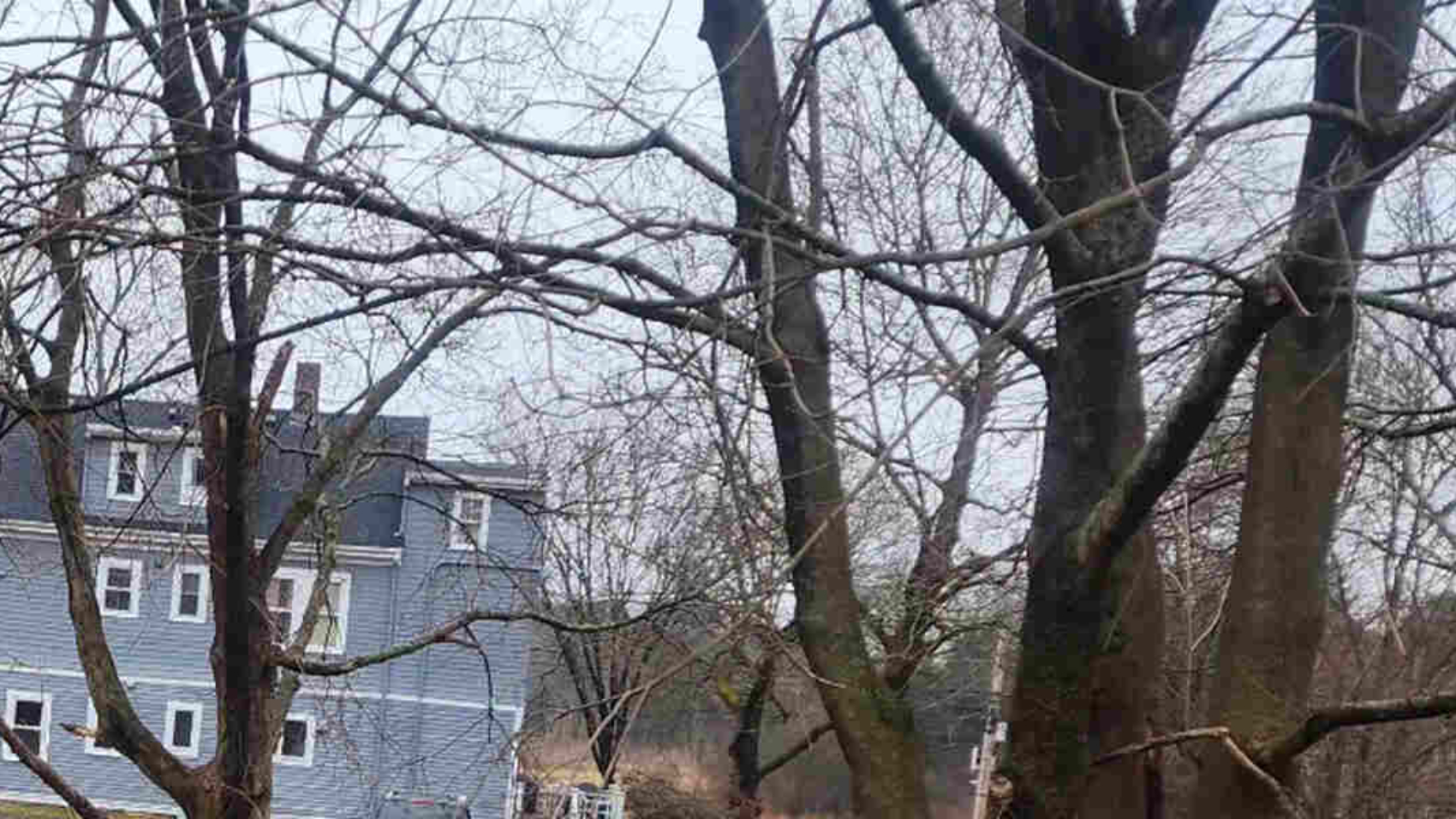
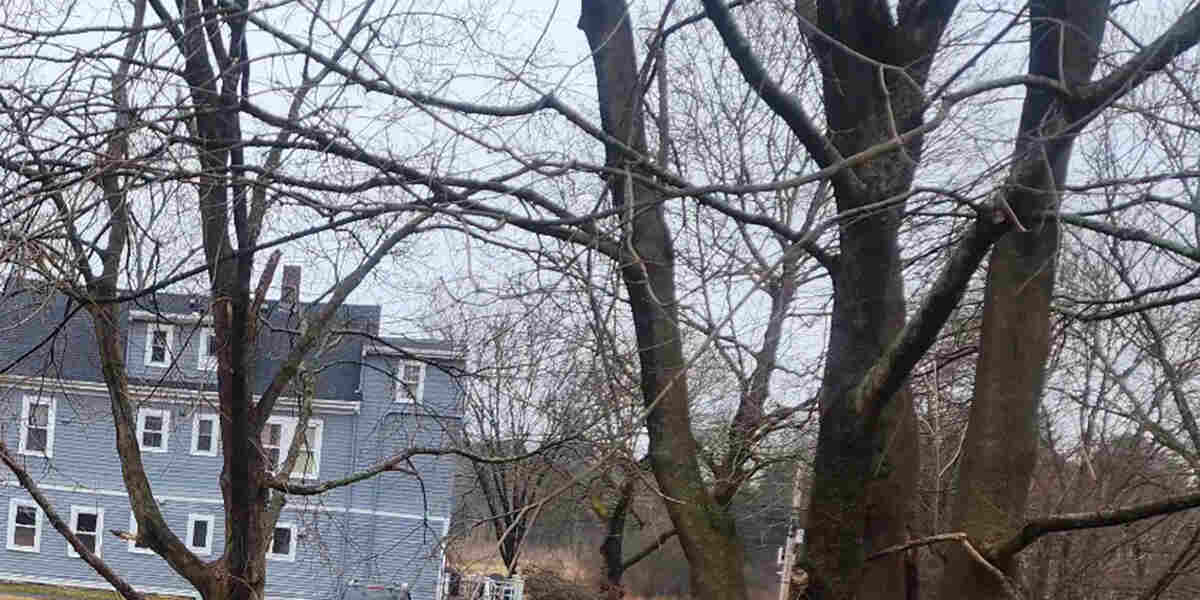
Why is the bark falling off my tree? Peeling bark is a bad sign, and you have good reason to feel concerned. Still, depending on the species of your tree, bark peeling off tree trunks may just be a natural shedding process. 

When you evaluate your tree, pay close attention to the bark that’s still attached to your tree. If there’s plenty of healthy bark around, then the tree bark shedding causes may be due to natural cycles. 

Has the tree bark fallen off due to insects, infection, or severe weather? These are symptoms to watch out for if you’d like to monitor and protect your tree’s health.

Peeling Tree Bark Issues

Understanding tree bark problems is the first step toward getting your tree a proper diagnosis. If you investigate and notice bark deterioration on trees that you own, also look for fungi, which indicates that rotting has begun.

A tree professional can help with your diagnosis and the tree’s treatment plan. Here are some signs that your tree needs help:

  • Heat: Is the bark shedding more after extreme heat? Your tree may be in trouble. Heat waves cause cracks in an unhealthy tree with not enough water.
  • Cold: Just like with heat, if you notice bark peeling during the colder temperatures exclusively, you may need to schedule a consultation with a tree expert. Sudden temperature drops take a toll on an unhealthy tree, causing the bark to drop.
  • Cankers: If you notice cankers on your tree in addition to bark peeling, your tree may need a specialist’s help. Cankers are a clear sign of tree stress. When paired with bark peeling, this can spell trouble for your tree.
  • Dead twigs, branches, and leaves: One of the most common signs that your tree needs help is more leaf and branch litter all around its base. In addition to peeling bark, if you notice any dead twigs or leaves around your tree out of the fall season, it may be dying.

Learn More From Your Local Tree Experts

Now that you know all the reasons for tree bark falling off and which ones you can avoid, why not get your help from the best tree people in the Holliston area? With Brooke Tree Service, you get straight answers about whether a tree is dying and how you can support the tree’s growth. Get the answer to “Why is the bark falling off my tree?” and more by calling us at 508-613-5044 today.
what causes a tree to die

What Causes a Tree to Die in Holliston, MA?

Trees exhibit a remarkable resilience that surpasses most other living organisms. They’ve evolved over millions of years to handle just about anything Mother Nature throws at them.  

However, all living things, trees included, have a finite lifespan. While some trees live to maturity, others succumb before reaching their expected useful life. So, what causes a tree to die? As experienced tree specialists in Holliston, the Brooke Tree Service crew explores common tree death causes. 

what causes a tree to die

Causes of Tree Decline and Death  

In most cases, tree mortality results from several conditions taking place simultaneously. The most common tree health decline factors or reasons for tree demise include the following.

Hostile Environmental Conditions  

The ground and site conditions in which a tree grows determine the environmental stressors that a tree faces. Adverse environments (like dry, salty, or poorly draining soils), extreme hot or cold spots, and air and ground pollution, among other concerns, can kill a tree prematurely.  

Many trees adapt well to poor sites, but when planting a tree, you must understand the tree species’ tolerance to environmental conditions.   

Catastrophic Events  

What causes a tree to die? All trees may succumb to catastrophic events such as heavy snowfall, extended drought, strong winds, fires, or floods. For example, some tree species may lose their limbs after heavy snowfall. In many cases, trees affected by these catastrophic events incur damage to the point of losing vigor and attracting insects and disease.  

Harmful Insects and Diseases  

One of the major factors leading to tree mortality is disease. Tree diseases like chestnut blight and Dutch elm disease have killed many trees in North America, to the point of wiping out entire forests in the past half-century. Many other tree diseases like oak wilt, anthracnose, and Armillaria root cost tree and forest owners billions of dollars in losses.  

Harmful and opportunistic insects often invade already stressed or injured trees, causing direct tree death or spreading common tree decay triggers like fungi from a host tree to surrounding trees.  

Old Age  

Even long-lived tree species undergo a health decline once they reach maturity. Over time, a mature tree gradually decomposes, turning into nutrients for future trees as it collapses under its own weight.

Human Activities  

Trees have and continue to play a crucial role in civilization. As a result, many trees die to meet the ever-growing demand for wood and other tree products.   

As the effects of deforestation become increasingly apparent, environmental bodies across the world continue to intensify efforts to mitigate unrestrained forest depletion and combat the loss of critical tree species.  

Trust Your Local Tree Experts  

Not every tree care service can deliver quality. At Brooke Tree Service, we bring unparalleled expertise to every job and our crew stays committed to providing the highest quality tree services. Contact us for:

  • Tree trimming and pruning  
  • Tree removal  
  • Stump grinding and removal  
  • Arborist services  
  • And more

Reach out for more information on what causes a tree to die or to learn how to tell when a tree is dying.  

Call Brooke Tree Service at (508) 613-5044 to request an estimate for tree service in Holliston, Massachusetts, or nearby. 

how long does it take for a tree to grow

How Long Does It Take for a Tree to Grow in Holliston, MA?

Planting trees can add beauty, shade, and value to your Holliston, MA, property, but how long does it take for a tree to grow? This matters when you’re making a landscape plan or want to include saplings somewhere. Knowing the timeframe for tree growth and when the tree will reach maturity is an important consideration.

As the trusted tree specialists in Holliston, Brooke Tree Service discusses the growing period for trees below. As a general rule of thumb, you can expect a 20 to 30-year growing period for a young tree to its maturity, but the speed of tree development rests on several factors.

how long does it take for a tree to grow

Tree Species Growth Rates

As expected, every species has its own tree growth duration, with some trees at lightning speed and others taking decades to reach maturity. For example, some species of weeping willow trees can reach 15 feet or more in just five years, while a sugar maple needs about 90 years to reach its full height.

So, how long does it take for a tree to grow? This growth rate varies by species, but most trees add one to two feet to their height every year. Some trees grow as much as five feet per year, while others will only increase by a few inches (this also depends on their current age).

The Tree Size at Planting 

The timeline for tree growth in your yard depends on the tree’s stage and size at planting. Have you started a tree right from seed? It’s going to take much longer to reach maturity than if you plant a sapling.

Most homeowners opt to plant saplings, which are young trees around three feet tall. They’re typically already a few years old, so depending on the species, they might take a little less time to reach their full size.

Your Tree Care and Prevailing Conditions 

Where you plant a tree and how well you care for it make a significant difference to the duration for tree maturation you can expect from it. For example, during the summer, young trees need the following to establish a strong root system:

  • Two to four gallons of water per inch of trunk diameter
  • Twice a week for the first few months of planting
  • Then, twice per month for the next two years. 

Fertilizing is also critical to support your tree’s growth in the early years. Tailoring the fertilizer to the conditions and individual tree needs can help it grow faster and stronger.

Get Expert Help Caring for Your Trees 

So, which trees should you plant in your Holliston, MA, yard? Do you have questions like “How long does it take for a tree to grow?” Tree selection and care advice are among the services a professional arborist can offer

Get in touch with Brooke Tree Service at (508) 613-5044 today. With our help, you can select the perfect types of trees for your property and help them grow tall and healthy!

can a tree with carpenter ants be saved

Can a Tree With Carpenter Ants Be Saved

Many homeowners see carpenter ants around their trees and panic for good reasons. The ants are notoriously destructive, and they spread very quickly. In that situation, you’ll ask, “Can a tree with carpenter ants be saved?” Can infested trees be rescued?

In this post, your trusted tree specialists in Holliston will tell you if you’re right to worry or if there’s still hope for your tree.

can a tree with carpenter ants be saved

Understanding the Relationship Between Carpenter Ants and Trees

Many people associate carpenter ants with termites, but their similarity ends in their social behavior. Carpenter ants are invasive species that can grow up to half an inch. Their colonies can contain up to 10,000 individual ants. 

When a colony is mature, some of the younger ants will move to start a satellite colony. 

A major distinction between termites and carpenter ants is that the latter doesn’t feed on wood. Their diet consists of insects, pet food, syrup, and honeydew from aphids. 

So why are they on your trees? They only use the tree as a shelter or nesting place. Unfortunately, this means boring into the wood. 

Another important point to keep in mind is that carpenter ants cannot build a nest in healthy trees. They often need an entry through a diseased part of the tree. Preserving trees affected by carpenter ants is difficult because you’re dealing with extensive disease most of the time.

The Probability of Saving Trees with Carpenter Ants

So, can a tree with carpenter ants be saved? The right answer here is, “It depends.” Factors that will determine if you can save your tree from carpenter ants include the following:

The Tree’s Health Status

Remember, carpenter ants don’t nest in healthy trees. So, to determine if you can save the tree, you have to evaluate the tree’s health. Check for wood rot, disease, and injuries to the tree. 

The Extent of the Damage 

If you can see the signs of rot or disease, the next step is to check how far the damage has gone. Is it an issue you can solve with strategic pruning or other methods of disease treatment? Saving trees infested with carpenter ants typically involves treating the underlying disease.

 If the disease has already impacted the heart of the wood, it’s likely too late.

Similarly, you have to evaluate the level of damage the ants have caused with their nesting. 

How to Eliminate Carpenter Ant Colonies

Treatment for trees with carpenter ants can only work after eliminating the colony.

Some of the options for rescuing trees from carpenter ant infestation include the following:

  • Use of baits. Carpenter ants feeding on the bait and taking them into the colony to the queen increases the probability of long-term control.
  • Use of insecticides. Insecticides can decimate the ant population. However, it’s hard to get enough of it into the colony to reach the queen and stop reproduction. 

Get a Professional Evaluation for Your Tree

For a definitive answer to “Can a tree with carpenter ants be saved?” order tree health evaluations from your local experts.

Call Brooke Tree Service in Holliston, MA, today at (508) 613-5044 to schedule a consultation.

how to replant a small tree

How to Replant a Small Tree In Your Holliston, MA Yard

Learning how to replant a small tree can save you a fair amount of aggravation by making simple planting mistakes disappear. 

In this post, Brooke Tree Service, the leading tree specialists in Holliston, share the best practices for replanting young trees. With the following steps for successful small tree transplantation, you’ll become an old hand in no time.

how to replant a small tree

Step 1: Prepare the Soil at the New Site

Before moving and reestablishing small trees, you must prepare the new location. The day before you plan to transplant the sapling, dig a hole at the new site. It’s a good idea to dig a hole twice as deep and as wide as the root ball. 

Then, throw in compost so that the hole is only as deep as the root ball. We also recommend watering the tree deeply so that it’s easier to dig up the soil the next day. 

Ensure that the root bulge is above soil level at the new site.

Step 2: Remove the Root Ball

The next step for how to replant a small tree successfully is to measure the trunk’s diameter at its widest point and multiply it by 11. Mark out a circle all around the tree using this figure as the perimeter. Slice directly down into the ground as far as your spade will go until you complete the circle. 

Next, dig just outside this mark to create a wide trench, going down until the roots stop. You should then carefully lever the spade under the root ball to gently lift it onto a burlap sack. 

It’s easiest to slide the sack underneath so that it covers the root ball and use this to remove the tree without everything falling apart.

Don’t Forget To Protect the Roots

Of all the transplanting techniques for young trees, this is the most important: position the ball in the middle of the sack and lift the ends together gently. Then, tie loose knots to hold it together and encase the root ball without crushing it. 

Experts like Brooke Tree Service will usually wrap twine vertically around the sack, attaching it to the trunk. Parallel threads six inches apart (at most) provide support for the root ball. If the tree’s small enough, you can skip the twine and place it on a wheelbarrow. 

Step 3: Replant the Small Tree

The above step keeps the roots together during the move, which is crucial for the tree’s survival. A wheelbarrow is a good hack for safely moving and planting small trees. Still, replanting tips for small tree seedlings also advise moving trees as quickly as possible—the roots shouldn’t dry out. 

When you’re at the new planting site, do the following:

  • Carefully remove the burlap.
  • Position the tree in the center of the hole. 
  • Fill in the soil and compact it.
  • Water it deeply. 

Contact Our Tree Care Team for Help 

Now that you know how to replant a small tree, you might wonder what types of trees you should not plant near your house. Whatever you need to know, Brooke Tree Service can help. Call 508-613-5044 to schedule a consultation!

do trees need fertilizer

When Do Trees Need Fertilizer in Holliston, MA?

[et_pb_section fb_built=”1″ admin_label=”section” _builder_version=”4.16″ da_disable_devices=”off|off|off” global_colors_info=”{}” da_is_popup=”off” da_exit_intent=”off” da_has_close=”on” da_alt_close=”off” da_dark_close=”off” da_not_modal=”on” da_is_singular=”off” da_with_loader=”off” da_has_shadow=”on”][et_pb_row admin_label=”row” _builder_version=”4.16″ background_size=”initial” background_position=”top_left” background_repeat=”repeat” global_colors_info=”{}”][et_pb_column type=”4_4″ _builder_version=”4.16″ custom_padding=”|||” global_colors_info=”{}” custom_padding__hover=”|||”][et_pb_text admin_label=”Text” _builder_version=”4.27.3″ background_size=”initial” background_position=”top_left” background_repeat=”repeat” hover_enabled=”0″ global_colors_info=”{}” sticky_enabled=”0″]

Do trees need fertilizer if you live in Holliston, Massachusetts? When?

In this post, Brooke Tree Service’s tree specialists in Holliston talk about when to fertilize your trees to maximize plant nutrition. They also provide a few gardening tips if you’re looking to get your landscape maintenance in line.

do trees need fertilizer

Why Fertilize Your Trees?

You know that you need to prepare the soil before tree planting to give the roots a chance to grow. However, won’t the plant be self-sufficient once its root system establishes itself? In an ideal world, it would be, but the way we grow trees today is far from ideal. 

Outside of the forests they’re meant to live in, there’s little decaying plant matter to replenish soil nutrients for trees. That’s why your trees in Massachusetts and elsewhere need a regular fertilizer application to remain healthy and strong.

Still, the trick is to time it perfectly. 

Do Your Trees Need a Feed? 

Do trees need fertilizer all the time? No. Let’s look at tree fertilization guidelines to see why there’s no one-size-fits-all answer here.

Tree fertilization needs have many factors at play, such as: 

  • How much rain you’ve had
  • Soil type
  • Other plants around the tree

Adding too much fertilizer can burn the roots, so arborists like Brooke Tree Service will typically recommend testing the soil for deficiencies before adding any nutrients. Alternatively, you can dig in organic compost and allow the tree to draw nutrients from that.

Copious amounts of research on the nutrients your tree species needs also helps. Fruit trees, for example, usually need more nutrients at certain times of the year when they’re producing fruit, which is energy-intensive.

How and When to Fertilize Trees

When you know what nutrients your tree needs, you can apply the right fertilizer mix. Here are a few expert tips for how to apply the fertilizer:

  • Spread it out evenly over the surface, at least until the end of the dripline. 
  • Where possible, choose an organic product that’s free of pesticides. 
  • You don’t need to dig it in—wait for rain or water the ground well.

When should you fertilize your Holliston tree specimens? Most gardeners fertilize in the early spring before the growing season starts. However, the industry’s attitudes around this are shifting, with some experts now suggesting that it’s better to apply fertilizer in the late fall, after the first severe frost. 

This makes sense for deciduous trees in Holliston, as they’ll have dropped their leaves by then and can focus their energy on healing damage and resisting disease. The extra nutrients don’t go to waste as the tree stores them in its root system, as well. 

If you want to hedge your bets, test the soil in spring and fall or use an organic mulch to introduce nutrients slowly throughout the year.

Contact Our Tree Care Team for the Right Advice

Do trees need fertilizer? Yes, trees need fertilizer, and choosing the best soil for tree planting is crucial to ensure optimal growth and health for your trees in Holliston and elsewhere. Evaluating tree health should reveal whether you’ve got the timing right.

Why not get fertilization right the first time by scheduling services from Brooke Tree Service? Call 508-613-5044 today. 

[/et_pb_text][/et_pb_column][/et_pb_row][/et_pb_section]
what is tree surgery

What Is Tree Surgery and When Is It Necessary in Holliston, MA?

What is tree surgery? If you’re a gardening enthusiast who came across this term and it sparked your curiosity, this blog post is for you.

As the go-to tree specialists in Holliston, our team at Brooke Tree Service has in-depth knowledge and experience on the latest arborist practices. Keep reading as we slice into the subject and help you discover new ways to improve your living landscape.

What’s a Tree Surgeon?

A tree surgeon, or arborist, is a bona fide green-thumbed professional who knows how to manage and maintain trees, shrubs, and other woody plants. You can think of them as doctors for specific flora.

Arborists typically have degrees in forestry, horticulture, and other related fields. Once they graduate, they undertake rigorous training for practical experience. The International Society of Arboriculture and other prestigious organizations offer certification exams to validate their expertise.

Types of Tree Surgical Procedures

What is tree surgery? It can mean various arboriculture services, all designed to keep trees healthy and landscapes beautiful:

  • Felling: This is the process of cutting down a tree when it’s dead or because it poses a risk to its surroundings. It’s a job for the experts, as it requires precision, training, and a clear understanding of safety measures. 
  • Stump removal: After removing the main body of the tree, a stubborn stump often remains behind. A professional tree surgery crew can grind down and remove them and give your yard a clean slate.
  • Pruning: Pruning involves slicing away dead, diseased, or overgrown branches. The goal is to improve the tree’s health, stimulate growth, and enhance its appearance. Your surgeon can help with standard pruning, pollarding, crown lifting, and more.
  • Planting: Whether it’s planting a new sapling or replanting a small tree, tree planting is a science that requires knowledge about the species, its specific needs, and the soil and weather conditions of the area. Understanding the nuances of replanting, such as root care and site selection, is crucial for the tree’s survival and growth.
  • Relocation: Do you have a specimen that could benefit from a change of scenery, or maybe a construction project necessitates a move? Adept arborists can move it to a new spot with minimal stress and damage.

Why Seek Professional Tree Surgery?

Trees are a significant investment that can take decades to reach maturity. Beyond the boost in your yard’s visual appeal, they also bring many worthwhile advantages:

  • Shade for the hot summer months
  • Improved property value
  • A home for birdlife and other critters
  • Reduced carbon footprint
  • Cheaper energy bills as trees can provide natural insulation for nearby structures

Why risk your specimen’s health and vitality with an unqualified, fly-by-night operation? A tree care surgery expert with proven credentials and a sterling reputation can provide peace of mind.

Consult a Local Arborist

What is tree surgery? Partner with Brooke Tree Service and see for yourself. 

Our crew remains well-versed in the latest tree surgeon techniques to ensure your verdant companions lead a long, healthy life. We also provide removal services when the tree endangers surrounding structures or becomes a safety hazard.

Dial (508) 613-5044 today or read more of our blog to familiarize yourself with the most common tree diseases.

girdling tree roots

What To Do About Girdling Tree Roots on Your Holliston, MA Property

Proper tree maintenance can help you avoid issues like girdling roots, which can compromise tree health. But what do you do when you already have the problem?

In this blog post, Brooke Tree Service, trusted tree specialists in Holliston, take a deeper look into the issue of girdling tree roots and how you can tackle them. 

girdling tree roots

What Are Girdling Tree Roots?

Girdling is common in urban forestry and occurs when something tightly wraps around a tree’s trunk or stem. Girdling roots will circle or partially circle the base of your tree at or just beneath the soil surface. It’s like your tree strangling itself with its roots.

When this happens, it results in inefficient flow of nutrients and water between the tree roots and branches. Also, the food manufactured in the leaves may not reach the roots. 

Girdling roots can also squeeze your tree’s trunk, weakening and causing it to lean. These roots may also strangle other roots, leading to root damage.

But what causes girdling tree roots?

Poor planting or transplanting practices are the leading cause. If you leave your trees in their nursery containers for extended periods, the roots can grow too long and end up wrapping themselves at the bottom of the container. If you don’t loosen such roots when planting the tree, they often become girdling roots.

Planting a tree in a small hole can also lead to girdling. The roots will start circling each other and eventually become girdling roots. 

If you have no idea how to spot girdling tree roots, look out for the following tell-tale signs:

  • Unusually small leaf size
  • Early fall color and premature leaf drop
  • Large, dead, leafless branches
  • The crown appears thin and generally stunted 
  • Tree leaning on one side

It’s worth noting that most of these symptoms may indicate other issues like malnutrition and dehydration. It pays to hire a certified professional to inspect your tree root system and the trunk to determine if you have girdling roots. 

How To Deal With Girdling Tree Roots

You can prevent girdling roots by digging a properly sized hole to plant your tree. Ensure the hole is about three times as wide as the root ball and as deep as the root ball. Keep soil below the root flare and mulch away from the trunk. 

If you have roots circling the base of the root ball, loosen them before planting the tree to encourage normal growth. 

Root pruning can also help remove or prevent girdling roots. However, it’s best to leave this task to a certified arboriculture specialist to avoid damaging your tree’s stem and roots. 

Contact Your Local Tree Experts for Assistance

If you need help with girdling tree roots, talk to the professionals at Brooke Tree Service. We deliver the highest quality tree services at competitive prices. Our wide range of services include:

  • Tree planting
  • Tree removal
  • Tree trimming & tree pruning

Contact us at (508) 613-5044 to request an estimate or to learn about the right way to remove tree roots in Holliston, MA.

how to get rid of black fungus on trees

How To Get Rid of Black Fungus on Trees

Who doesn’t want their trees to remain healthy and beautiful for years to come? Unfortunately, a lot will threaten your tree’s longevity.

For example, one threat your tree will face stems from black fungus. This common fungal disease causes your tree to form swollen black knots. Without fungus treatment, the disease can lead to your tree’s death.

Are you worried about your tree’s health? Read on as tree specialists in Holliston, MA, show you how to get rid of black fungus on trees.

how to get rid of black fungus on trees

Signs of Black Fungus

Also called black knot, black fungus refers to a disease caused by Apiosporina morbosa. The fungi release spores that land on your tree and shrubs, causing branches to form black, hard, and swollen knots. These knots start off small and green and turn black as the disease progresses.

Fortunately, you don’t have to be a pro to detect black fungus on your trees. The black knots on your tree’s branches give you a telltale sign.

Other common signs of the disease you can look for include:

  • Brown, wilting leaves
  • Branches tilting to one side
  • Sticky liquid oozing from the knots
  • Wood rot

How To Get Rid of Black Fungus on Trees

As deadly as black fungus can be, you can still treat it. However, for your trees to have the best chances of survival, you’ll need to act quickly.

Read on to learn how to get rid of black fungus on trees.

Pruning

One of the best ways to rid your tree of black fungus is to prune the twigs, stems, or branches where you see the infection.

Making the cut about two to four inches below the knot will do the trick. Just be sure to burn or dispose of the parts you cut carefully because they can still spread the infection to a susceptible tree.

Fungicides

On top of pruning, you can also treat black fungus by using fungicide. We should note that fungicide treatments vary in their effectiveness, so you should pay attention to the products you pick.

Ideally, you want to pick a fungicide with ingredients like lime sulfur, captan, thiophanate-methyl, and chlorothalonil. Also, be sure to remove the existing knots before applying your fungicide of choice.

Can I Prevent Black Fungus

Though black fungus can affect your trees, you can keep it at bay with proper maintenance and regular monitoring.

You could also choose to plant trees resistant to black knot. In fact, doing so offers the best way to keep your trees safe.

Professional Arborist Services in Holliston, MA

The last thing any tree owner wants to see is their tree succumbing to disease. Fortunately, with quick action, you won’t have to worry about black knot claiming your tree.

Have you noticed signs your tree is dying? Turn to Brooke Tree Service and let us help you learn how to get rid of black fungus on trees. You can trust us to offer solutions that will restore your tree’s health.

Call Brooke Tree Service today at (508) 613-5044 to request an estimate.

how to cut a leaning tree

How to Cut a Leaning Tree

Leaning trees can pose a significant safety hazard, especially if large or near property. If you have a leaning tree on your property, you want to hire a professional to assess its condition and remove it if necessary.   

However, if you know how to fell trees and plan to cut the leaning tree yourself, you must adhere to several safety precautions that will minimize the risk of the tree falling on your property or causing injuries.

In this post, we’ll outline a step-by-step guide on how to cut a leaning tree as discussed by tree removal experts in Natick, MA.  

how to cut a leaning tree

Step 1: Assess The Tree  

Check for signs of decay, such as cracks or holes in the trunk. If you notice any symptoms of decay, hire a professional to remove the tree.  

Step 2: Exercise Caution  

Use a sharp and properly functioning chainsaw  

  • Always wear protective gear such as a helmet, safety glasses, gloves, and protective shoes when using a chainsaw  
  • Clear the area around the tree of people and property  
  • Use a safety harness if working from an elevated platform or ladder  
  • Have someone stand by to watch for any hazards such as falling branches  
  • Make sure you have at least two escape routes  

Step 3: Make the Felling Cut  

This refers to the first cut typically made on the side of the tree you want it to fall. With a leaning tree, you want to make a shallow but steep felling cut. Next, create a “hinge” by making a cut about two inches above and behind the base of the face cut.  

Plumb the saw through the trunk and leave about one to two inches of trunk thickness horizontally.  

Step 4: Make the Back Cut  

Make this cut on the opposite side of the felling cut, leaving about two inches of trunk on that opposite side intact to form the “trigger.” Avoid leaving too much hinge or too little trigger as that may cause the tree to splinter.  

Step 5: Make the Final Cut  

Once you confirm the trunk is only intact at the hinge and trigger, cut through the trigger, and the tree should start to fall. Be ready to jump and run to safety because anything can go wrong.  

Hire a Professional  

Rather than cut the tree yourself, consult a tree removal expert. Besides having the skill and equipment to do the job right, an expert will have sufficient insurance to cover any damage or injuries incurred during the tree removal project.  

A certified arborist will also assess the tree’s overall health and recommend the best course of action. 

Trust Your Local Tree Experts

Experience quality tree care at competitive rates with Brooke Tree Service. We strive to serve our customers with excellence and integrity. Count on us for comprehensive tree services, including:  

  • Tree trimming and pruning  
  • Tree removal  
  • Arborist services  
  • Tree cabling and Bracing  

Call Brooke Tree Service at (508) 613-5044 to get a free quote for tree service in Millis, MA, or nearby. Reach out any time to learn the right way to remove tree roots or for additional tips on how to cut a leaning tree.