can pruning a tree kill it

Can Pruning a Tree Kill It in Walpole, MA?

Caring for a healthy tree may occasionally require pruning it. But can pruning a tree kill it? This is one of the risks of pruning a tree too heavily, which is why relying on experts offering tree services in Walpole, MA, for any pruning tasks is the best option. 
can pruning a tree kill it

How Pruning Works and Why It’s Important

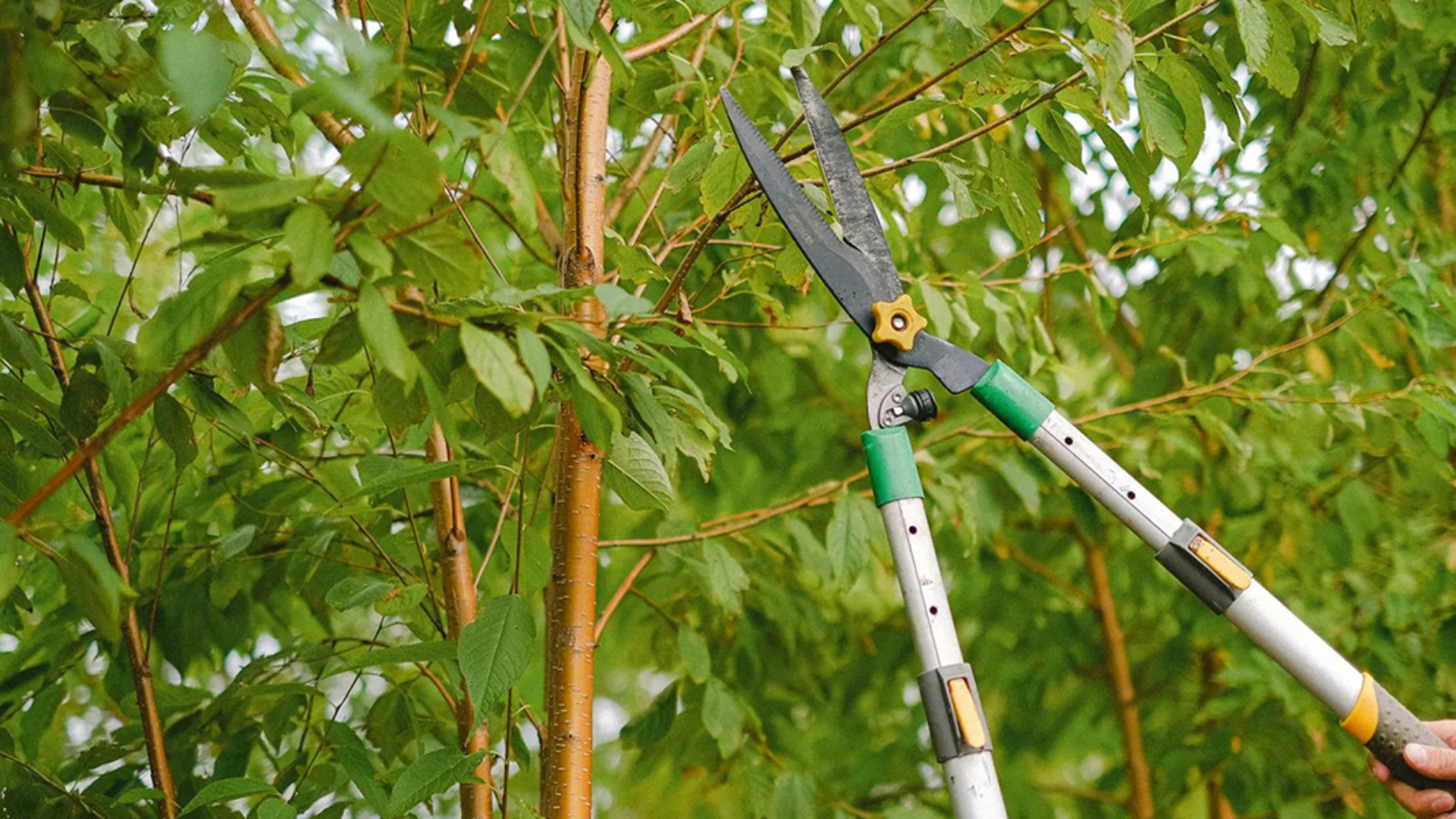
Pruning removes branches throughout the tree to guide its growth in a certain direction or to create a particular shape in the canopy. 

Why is pruning important? It can remove branches from sections of the tree where the leaves are too thick and affect healthy growth. Pruning helps air and sunlight reach more sections of the tree. Following proper pruning techniques keeps branches healthier and reduces the need to cut out dying branches as the tree ages.

Why Improper Pruning Could Kill a Tree

Tree death from improper pruning is a possibility. If a novice homeowner removes too much foliage from the tree at once, it may go into shock with damage from over-pruning. It might be unable to create energy through photosynthesis. Poor trimming techniques also increase the risk of pest or disease infestations.

If you prune too little of the tree, you probably won’t harm it. However, you may not receive the benefits you’re seeking, either. Under-pruning might leave its structure weakened, which could slowly place its health in jeopardy during the next few months and years.

Improper pruning techniques can involve several other errors, such as cutting branches and limbs at the wrong time of the year. Cutting too many branches in the upper or lower canopy can leave the tree lopsided, increasing the risk of falling in a windstorm. Problems with flush cuts can create hollow spots in the main limbs.

Different Tree Species Require Specific Pruning Techniques

It’s important to trim certain species of trees at the right time of the year. Oaks should not undergo trimming during warm months because they are especially susceptible to oak wilt disease. 

Birch trees create a lot of sap during pruning, which can draw insects to the areas of the cuts. You should avoid making these cuts at times when insects are more active. You can do minor pruning in spring and summer with birches.

The dangers of pruning at the wrong time of the year with fruit trees can affect health and fruit production. Trees that produce stone fruits need pruning in summer to reduce the risk of disease exposure. However, pear and apple trees usually perform better with spring or early summer pruning.

At Brooke Tree Service, We Offer Safe Tree Pruning Techniques You Can Trust

Don’t spend time worrying about causing damage from over-pruning and asking yourself, “Can pruning a tree kill it?” Instead, let the experts at Brooke Tree Service keep your trees safe with proven pruning services. We can explain the dangers of pruning at the wrong time and eliminate the risk of making DIY mistakes.

Deciding between tree trimming and pruning tools and techniques is unnecessary when Brooke Tree Service is working for you. Call us today for a free cost estimate at (508) 613-5044.

what is selective pruning​

Selective Pruning and Why It Matters in Hopkinton, MA

There’s nothing like having a strong maple, oak, or birch tree bless your yard with shade and color every season. But if you want those trees to remain healthy for decades, you need to help them through a process called selective pruning.

In this blog post, you’ll get answers to the question, “What is selective pruning?” learn the main methods professionals use, and why you need to call Brooke Tree Service for tree services in Hopkinton, MA.


what is selective pruning​


The Importance of Proper Pruning Techniques

The benefits of selective pruning for trees are significant, but when done incorrectly, it can turn into a death sentence.

Here’s what can go wrong when you make pruning mistakes:

  • Removing too many branches limits your tree’s ability to produce food through photosynthesis.
  • Cutting large limbs too close to the trunk exposes wood to pests and rot.
  • Leaving dead or rubbing branches in place causes weak spots that eventually break.
  • Dense canopies reduce airflow and light, which leads to trapped moisture and disease.
  • Over-trimming the crown throws off balance and makes trees more likely to fall in storms.

The next sections answer the question, “What is selective pruning?” and explain the techniques arborists employ while performing it.

What Is Selective Tree Pruning?

Selective tree pruning means removing specific branches to strengthen the overall structure, improve appearance, and support natural growth. The process focuses on precision instead of volume. Professional arborists use selective pruning to guide growth, reduce hazards, and preserve a tree’s natural shape.

Crown Thinning

Crown thinning removes smaller interior branches to improve airflow and light throughout the canopy. This keeps major limbs from carrying too much weight and helps the tree grow evenly. Thinning also lowers the risk of fungus and insect problems that start in dense, shaded areas.

Deadwood Removal

Deadwood removal clears out dying or broken limbs before they cause decay. When you remove dead branches, you stop rot from spreading to healthy parts of the tree. This process also prevents branches from falling during storms.

Structural Pruning

Structural pruning shapes young trees before weak angles or competing limbs develop. By correcting growth early, arborists create a framework that supports the tree’s long-term strength and balance. This approach reduces the need for heavy trimming later and supports ongoing tree health improvement through selective pruning.

Call Brooke Tree Service for Selective Pruning Services in Hopkinton, MA

Brooke Tree Service provides selective pruning services in Hopkinton, MA, using proper pruning techniques suited to every tree species. Their arborists understand how each cut affects growth and health, and they leverage that knowledge to protect your trees for the long haul.

If you still feel like you don’t have all the answers to the question, “What is selective pruning?” call Brooke Tree Service at 508-613-5044 to speak with one of our experienced arborists and schedule professional selective pruning services in Hopkinton, MA.

Make sure you also check out our trimming vs. pruning guide for more information on how each method affects growth, health, and appearance.

can i trim a tree that overhangs my property

Who Is Responsible for Trimming a Tree Overhanging My Property in Medway, MA?

It’s common for trees to extend beyond their original planting spot. While you have the right to protect your property from encroachment, there are important legal and practical considerations to keep in mind. As the leading provider of expert tree services in Medway, Massachusetts, we’d like to offer some practical information about the question: “Can I trim a tree that overhangs my property?”

can i trim a tree that overhangs my property

Know Your Rights: Trimming Without Trespassing

Massachusetts law generally allows homeowners to trim branches and roots that extend onto their property. However, the right to self-help tree trimming comes with limitations. You can only trim up to your property line, and you must avoid trespassing or damaging the tree’s health. If your trimming causes the tree to die or become unstable, you could be liable for the damage.

The legal framework around property line tree trimming rights gives you control over your airspace, but only within your property boundaries.

Massachusetts courts have been clear over the years on overhanging tree branches law. While you can act if the tree is encroaching on your property, you cannot force your neighbor to trim it unless it’s causing actual harm or poses an imminent danger. Ordinary nuisances like leaves, sap, and blocked sunlight are not sufficient to force trimming.

This means your neighbor isn’t obligated to take care of the issue unless the tree is dead, dying, or causing structural damage. If you’re concerned, it’s wise to hire a certified arborist for an assessment. Their report can help you and your legal advisor determine whether there’s a hazard.

Navigating a Neighbor Tree Dispute

Open communication can go a long way in avoiding an unpleasant disagreement with your neighbor. Start by discussing your concerns politely and offering to cover the cost of professional trimming. You might also suggest splitting the cost, especially if both parties will benefit from the work.

If tensions escalate or the tree is causing serious damage, you may want to seek mediation or legal guidance. While tree encroachment over property lines can spark frustration, handling the situation calmly and legally protects both your rights and your relationship with your neighbor.

Trim Safely by Hiring a Pro

Even when you’re legally in the clear, improper pruning can cause long-term damage. Avoid aggressive cuts, never “top” a tree, and don’t trim beyond your side of the boundary. It’s best to call in professionals like the team with Brooke Tree Service.

Call Brooke Tree Service for Help With Trimming a Neighbor’s Overhanging Tree  

Now that we’ve discussed, “Can I trim a tree that overhangs my property?” Brooke Tree Service can help. Reach out if you’ve reached an agreement with your neighbor about handling an overgrown tree or need help with proceeding.

We’ll evaluate the tree, explain your options, and perform expert trimming that respects boundaries and arboricultural best practices. While you’re here, check out our post on understanding tree trimming and pruning.

Call Brooke Tree Service today at (508) 613-5044 for professional tree care in Medway, Massachusetts.

what is the difference between tree trimming and tree pruning

How To Decide Between Tree Trimming and Tree Pruning for Your Massachusetts Yard

Many tree care companies offer trimming and pruning services; however, people often use these terms interchangeably without realizing each one is a distinct tree service. What is the difference between tree trimming and tree pruning? The experts at Brooke Tree Service, the leading provider of Massachusetts’ professional tree services, explain what you need to know. 

what is the difference between tree trimming and tree pruning

Why You Need a Professional

Before diving into the ins and outs of tree trimming and pruning, it’s important to understand that these projects are not simple landscaping improvements you should tackle on your own. Determined homeowners, often concerned with aesthetics, try to trim trees on their own and put themselves in harm’s way doing so.

Always let a certified arborist perform these services. DIY attempts come with the risk of falling off a ladder or injuring yourself with the equipment. Some tragic incidents involve fatal electrocution while pruning trees near power lines. 

Trimming vs. Pruning: Key Differences in Tree Services

What is the difference between tree trimming and tree pruning? Check out the distinct components that separate these two services. 

Pruning Improves Tree Health

Pruning a tree that shows signs of a fungal infection or other disease can help it remain healthy. Experts carefully remove dead or decaying branches since tree diseases often spread from branch to branch. By cutting off an infected limb, you’ll prevent widespread decay. 

Trimming Promotes Healthy Growth

Your tree doesn’t necessarily have to be decaying for it to benefit from branch removal. Trimming refers to cutting overgrown branches and shaping the tree so it appears full and vibrant.

An overgrown branch won’t stay healthy for long since it can take longer to receive water and nutrients from the root system. Cutting it off allows a new branch to grow in its place and support different ecosystems. 

Both Increase Safety and Curb Appeal

Trees become an eyesore when they have dead or overgrown branches. Tree care specialists will make them aesthetically pleasing by removing the affected branches. These services also help homes become safer since hazardous branches can snap and fall onto roofs, cars, or other nearby structures.

Signs Your Tree Needs Pruning and Trimming

Timing when your tree needs maintenance can be unpredictable. Rather than following a set schedule, experts recommend looking out for the following warning signs:

  • Uneven growth
  • Overhanging or drooping branches
  • Poor tree shape

You should also be mindful of any changes in the foliage or the bark’s appearance, as this can indicate a disease or fungal infection starting to take over your tree. 

Consult an Arborist and Promote Tree Health With Brooke Tree Service

What is the difference between tree trimming and tree pruning? Do you need a tree removal permit in Massachusetts? Contact Brooke Tree Service for answers to these questions and more. 

We offer a wide range of arbor services using powerful equipment and thorough safety protocols. Call (508) 613-5044 or fill out our online contact form to receive an estimate or schedule service. 

different types of tree pruning

A Medfield, MA, Homeowner’s Guide to the Different Types of Tree Pruning

[et_pb_section fb_built=”1″ admin_label=”section” _builder_version=”4.16″ global_colors_info=”{}” theme_builder_area=”post_content” da_is_popup=”off” da_exit_intent=”off” da_has_close=”on” da_alt_close=”off” da_dark_close=”off” da_not_modal=”on” da_is_singular=”off” da_with_loader=”off” da_has_shadow=”on” da_disable_devices=”off|off|off”][et_pb_row admin_label=”row” _builder_version=”4.16″ background_size=”initial” background_position=”top_left” background_repeat=”repeat” global_colors_info=”{}” theme_builder_area=”post_content”][et_pb_column type=”4_4″ _builder_version=”4.16″ custom_padding=”|||” global_colors_info=”{}” custom_padding__hover=”|||” theme_builder_area=”post_content”][et_pb_text admin_label=”Text” _builder_version=”4.16″ background_size=”initial” background_position=”top_left” background_repeat=”repeat” global_colors_info=”{}” theme_builder_area=”post_content”]

Removing tree branches from healthy trees might be important for keeping them in the best possible condition. Overgrown trees and dead branches are detrimental to the tree’s health. Unbalanced or stressed trees also become safety hazards. 

That’s why top-notch tree specialists in Medfield, like Brooke Tree Service, use different types of tree pruning to achieve maximum tree health and beauty. Some techniques, like pollarding, only rarely apply, but others, like deadwooding and crown thinning, come standard. 

Here’s more about each type of tree pruning Brooke Tree Service might recommend.

different types of tree pruning

Crown Thinning 

Crown thinning is the most common method of pruning trees. To thin out the tree’s canopy, arborists strategically remove limbs from the uppermost part of the tree. Usually, they’ll focus on the smallest and weakest branches. 

The result of crown thinning is more sunlight, oxygen, and water reaching the lower limbs and soil. Removing these limbs also prevents broken and fallen branches during winter storms. If the smaller limbs can’t bear the weight of snow and ice, they may fall onto people, power lines, and property to cause damage. 

Deadwooding 

Dead or broken branches are not only unsightly, but they can also harm the overall health of your tree. Unless you remove a dead limb, it may spread its decay into the rest of the tree and kill it.

The technique of deadwooding eliminates these dead or dying branches to improve your tree’s appearance and overall well-being. Some arborists refer to crown thinning and deadwooding as crown cleaning.

Crown Reduction 

Is the tree too tall for its space on your property? Crown reduction may keep it from becoming top-heavy by removing some of the smaller branches at the crown. 

Unlike other different types of tree pruning, arborists reserve this approach for young trees that are still growing. The experts want to ensure your tree is strong when it hits its mature height. The extra weight from overgrown small branches could hinder that process without some help.

Crown Raising 

Crown raising is the opposite of crown reduction – it removes some of the lower limbs of the tree that are weighing things down. It, too, is best for young trees and may harm older specimens. 

Still, there are occasions when it may be necessary to prune a mature tree like this for safety reasons. For example, if: 

  • Lower branches interfere with power lines.
  • The tree hangs over a road.
  • The crown blocks signs, buildings, or the line of sight for drivers and pedestrians. 

Pollarding

Lastly, some trees benefit from pollarding, which eliminates every small branch. The technique leaves nothing but a framework of large branches extending from the trunk. 

The purpose here is to shape a young tree and encourage fast, lush growth. It’s extreme pruning and unsuitable for most trees.

Call the Tree Care Experts

The different types of tree pruning apply to different environments and even species, so you don’t want to get it wrong. Understanding the difference between tree trimming and tree pruning can help ensure your trees receive the appropriate care. Why not get in touch with Brooke Tree Service in Medfield, MA, at (508) 613-5044? Our extensive experience in pruning common tree types ensures the best outcome for your trees!

[/et_pb_text][/et_pb_column][/et_pb_row][/et_pb_section]