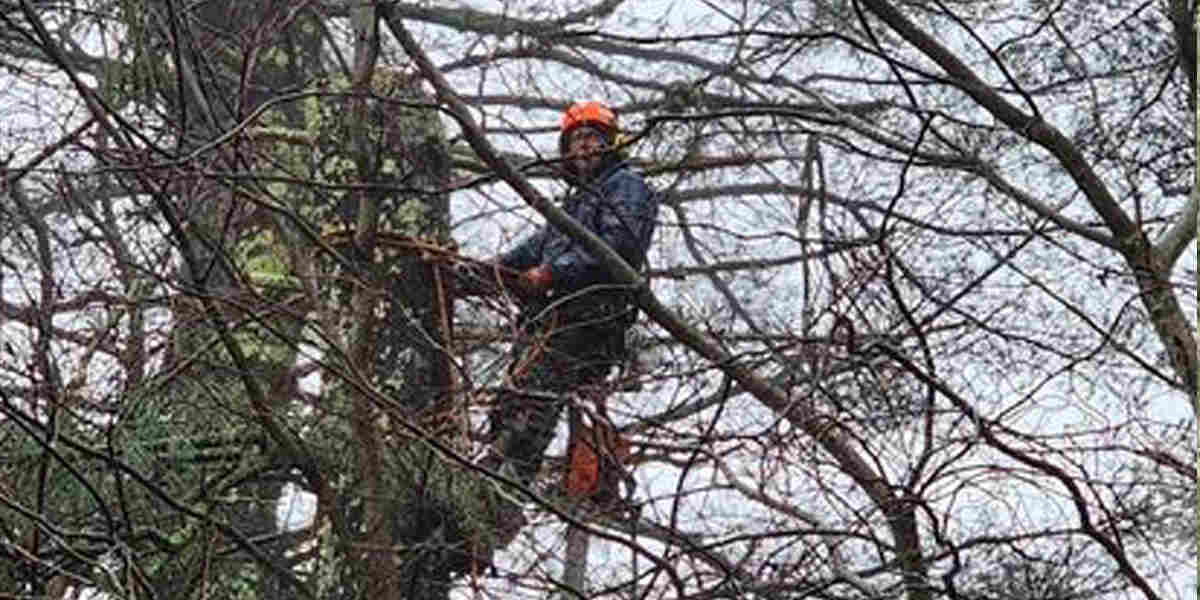
how to prepare new trees for winter​

5 Tips on How To Prepare New Trees for Winter

When a New England summer comes to an end and temperatures start to dip, the trees in your yard will begin preparing for winter just like you do. As you start pulling out your sweaters and boots from storage to face the cold, it’s a good time to give your trees some protection against winter’s chill. 

Here are some practical winter tree care tips from the experts in tree services in Needham, MA, on how to prepare new trees for winter so they come back better than ever in the spring.

how to prepare new trees for winter​

1. Give Them a Good Long Drink

Before the ground freezes, give your newly planted trees one last deep soak to help the roots store enough moisture to survive the cold. This is particularly important when it’s been a dry autumn.

A good rule of thumb? Give the tree a gallon of water for every inch of trunk diameter.

2. Spread Mulch To Protect the Roots

A fresh layer of mulch acts like a warm blanket for your trees. Spread two to four inches of mulch around the base, leaving a few inches of space between the mulch and the trunk to prevent rot. Not only does preparing trees for winter with mulch keep the soil warm and moist, but it also reduces the risk of damage from freeze-thaw cycles. As it breaks down, it releases nutrients into the soil that will help the young tree grow.

3. Wrap the Trunks

Tree services often recommend wrapping trunks for homeowners who ask how to prepare new trees for winter. Young trees, especially maples or birches, with thin bark, can suffer from sunscald or develop frost cracks during winter. Wrapping the trunk with a breathable fabric tree wrap or burlap helps shield it from harsh sunlight and temperature swings. 

4. Prune for Health and Structure

Late fall or early winter is the ideal time for winter pruning and maintenance. Removing dead or weak branches helps keep heavy snow or ice from breaking branches and damaging the tree. Pruning also improves air circulation and gives your trees a clean start for spring growth

5. Guard Against Pests and Animals

Cold weather can drive wildlife seeking food and shelter to your trees. Mesh guards or tree wraps can help deter rodents, deer, or rabbits from chewing on bark and branches. Many homeowners overlook this step for protecting trees in cold weather, but it makes a big difference in keeping young trees intact.

Are You Ready To Winterize Your Trees?

Winter doesn’t have to take a toll on your landscape. By following these steps and getting essential tree care services from an arborist, you can ensure your trees stay healthy every season.

If you’d rather leave the heavy lifting to the pros, Brooke Tree Service in Needham, MA, is here to help. Our team can provide a tree winter preparation guide, advice on how to prepare new trees for winter, and services from pruning and wrapping to inspections and maintenance.

Call Brooke Tree Service today to schedule your winter tree care appointment and keep your trees healthy, even in harsh New England weather. 
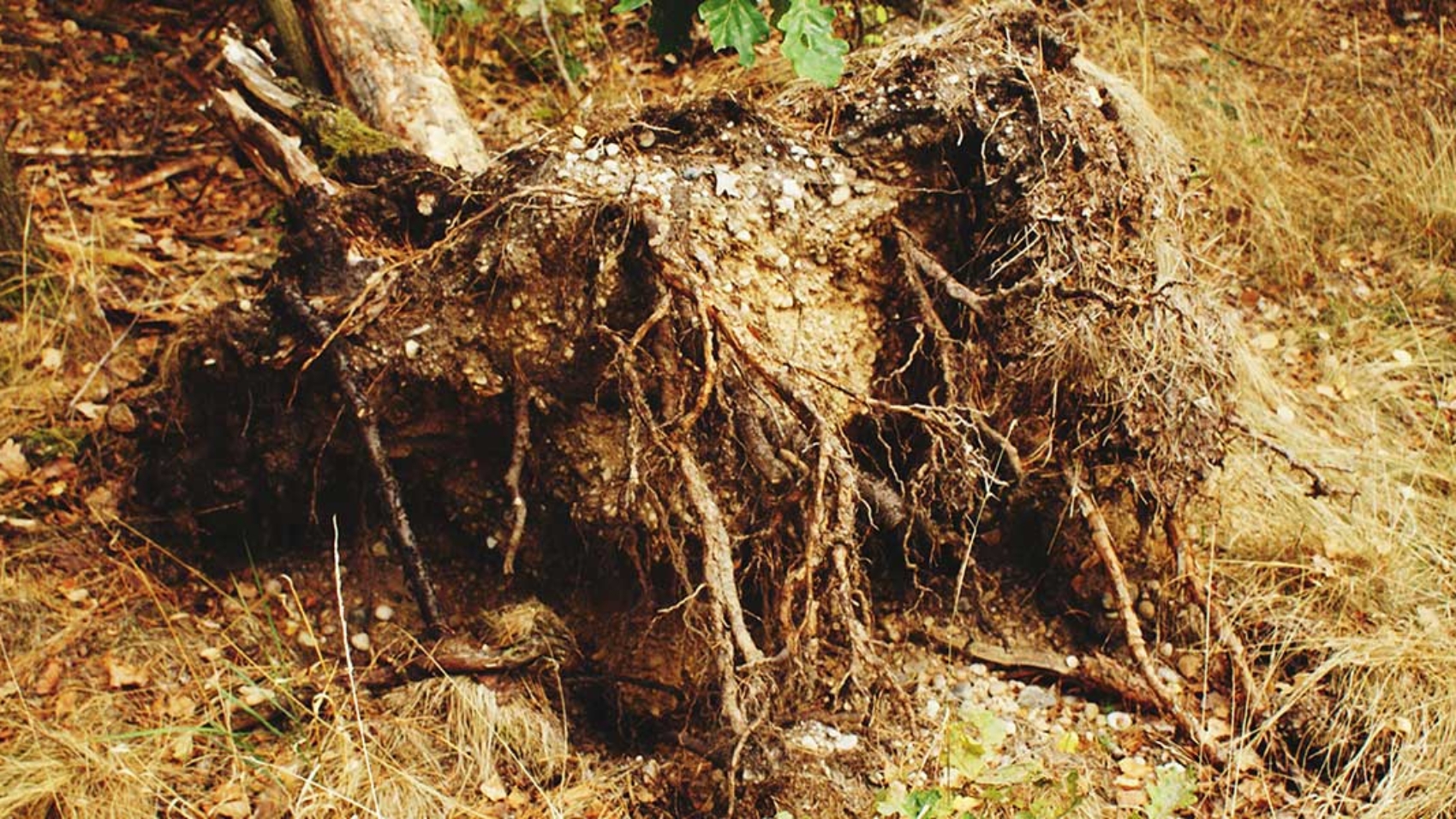
what causes root rot in trees

What Causes Tree Roots To Rot?

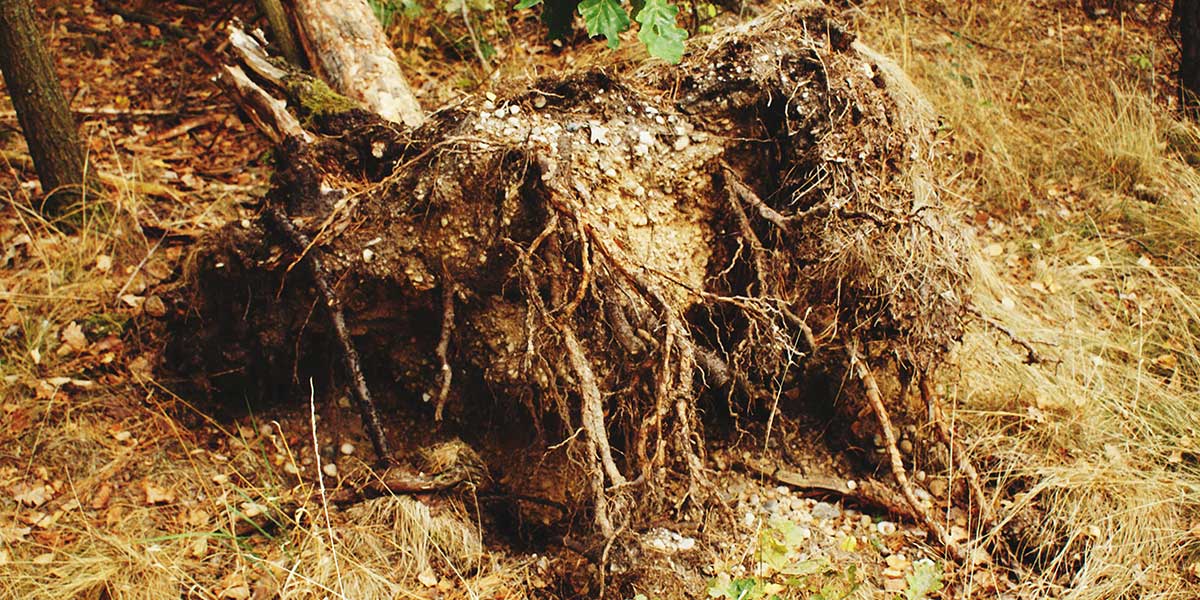
While there’s a lot that needs to go right for your tree to remain beautiful and healthy for as long as possible, its roots are one of the most important factors. Unfortunately, root rot is a problem some homeowners must deal with.

What is root rot, and what causes it? Is there a way to fix the issue? This post aims to answer these and more questions.

what causes root rot in trees

What Is Root Rot?

Root rot is a devastating fungal disease that attacks a tree’s roots, causing them to decay. As a result, the disease can lead to worrying signs in the tree, such as:

  • Wilting leaves
  • Leaf discoloration
  • Premature leaf drop
  • Canopy dieback
  • Stunted growth

Without prompt action, root rot will lead to the gradual decline of your tree’s health and, ultimately, its demise.

What Causes Tree Roots To Rot?

While root rot is caused by fungal pathogens such as Armillaria, Fusarium, and Phytophthora, these only thrive under specific conditions. The factors below help create those conditions.

Overwatering

Excessive moisture in the soil is the primary culprit, as wet environments are ideal for fungal growth. The fungi can harm a tree’s roots, slowly weakening its defenses and leading to decay.

Poor Drainage

Not all soils are the same. Some types allow water to drain quickly, while others retain water for longer periods. Soil with poor drainage increases the likelihood of overwatering and exacerbates any issues that may arise as a result.

Soil Compaction

Are you living in an urban area? The presence of nearby structures, such as roads, buildings, and walkways, can cause your soil to become more compacted. This compaction can inhibit water flow, leaving you with soggy soil, which is a common cause of root rot in trees.

Oxygen Deprivation

Excessive moisture isn’t the only culprit. Poor air circulation can also cause root rot. This is because the lack of air leads to root suffocation, impacting the roots’ ability to metabolize and grow. The weakened state of the roots, coupled with a lack of oxygen, allows fungi to take over.

Treating and Preventing Root Rot

If you catch it early, you can treat root rot by scheduling professional tree services in Millis, MA. A certified arborist will evaluate your tree’s condition and try to save it by pruning the infected roots. They may also apply chemicals to the base of your tree to reduce the level of infection.

Your best course of action, however, will always be to try and prevent the disease by:

  • Ensuring proper drainage
  • Giving your tree the right amount of water
  • Adding soil amendments
  • Aerating the soil to improve circulation

Leave Your Tree’s Care to Millis’ Trusted Tree Experts

Here at Brooke Tree Service, we’re all about providing you with the services your trees need to thrive. From helping you learn what causes root rot in trees to safely removing tree roots affected by the disease, we’re your go-to tree care solution.

Dial (508) 613-5044 to schedule an assessment with our team.

are dead trees dangerous

Are Dead Trees Dangerous? What Dover, MA, Homeowners Should Know

Every guide on dealing with dead trees will always recommend immediate tree removal, but why is that? Are dead trees dangerous?

Absolutely; a dead tree is a major hazard, threatening not only the safety of your property but that of your family as well. This post will take a closer look at the potential dangers dead trees pose, highlighting the need for professional tree services in Dover, MA.

are dead trees dangerous

How To Spot a Dead Tree

How can Dover homeowners effectively tell when their trees are dead? While a lack of leaves is a good place to start, this sign on its own won’t be enough. After all, several trees often shed their leaves during certain seasons.

Here are other key symptoms that will point to the severe decline of your tree’s health.

Trunk Issues

Does your tree’s bark have deep splits and wounds that aren’t healing? Exposure of the inner wood allows the rapid spread of decay, which could cause your tree’s death.

Signs of Disease and Decay

Check for fungi growing on your tree’s trunk and branches. You might also start noticing mushrooms at the tree’s base.

Branch Problems

During your tree’s growing season, be on the lookout for bare branches that have no leaves or buds.

Why Keeping a Dead Tree Is Never a Good Idea

At first glance, a dead tree might seem harmless. You might even be tempted to ignore it. This, however, is far from ideal.

Are dead trees dangerous? The short answer is yes. Here are the risks that come with keeping a dead tree on your Dover property.

High Fall Risk

A dead tree’s structural integrity is greatly compromised. The dried wood and dead roots make the tree weak, creating what is, essentially, a ticking time bomb.

What this means is that the tree can fall anytime and potentially cause significant injuries or costly property damage.

Damaged Power Lines

Was the tree growing near power lines? Keeping it around after it dies places your neighborhood’s electricity supply in danger. While this might not seem like a pressing issue, for those with medical devices in their homes, it can be life-threatening.

Easy Spread of Disease

A lot can cause a tree’s death, and diseases are high on that list. By failing to remove a dead tree, you could be placing other trees on your property at great risk. Before you know it, you could have multiple infected trees on your hands.

Pest Attraction

Pests and rodents are attracted to dead trees. Once they’ve set up a base, they’ll have no trouble spreading to your home and wreaking more havoc.

Let Dover’s Trusted Tree Professionals Safeguard Your Home

Are dead trees dangerous? In more ways than one. Fortunately, by calling Brooke Tree Service and scheduling professional removal, you can prevent your dead tree from becoming a safety hazard. We’ll first determine if the tree is dead or dormant before recommending the appropriate next step.

Talk to us today at (508) 613-5044.

tree branch touching power line to house

What To Do When a Tree Branch Touches a Power Line To Your House

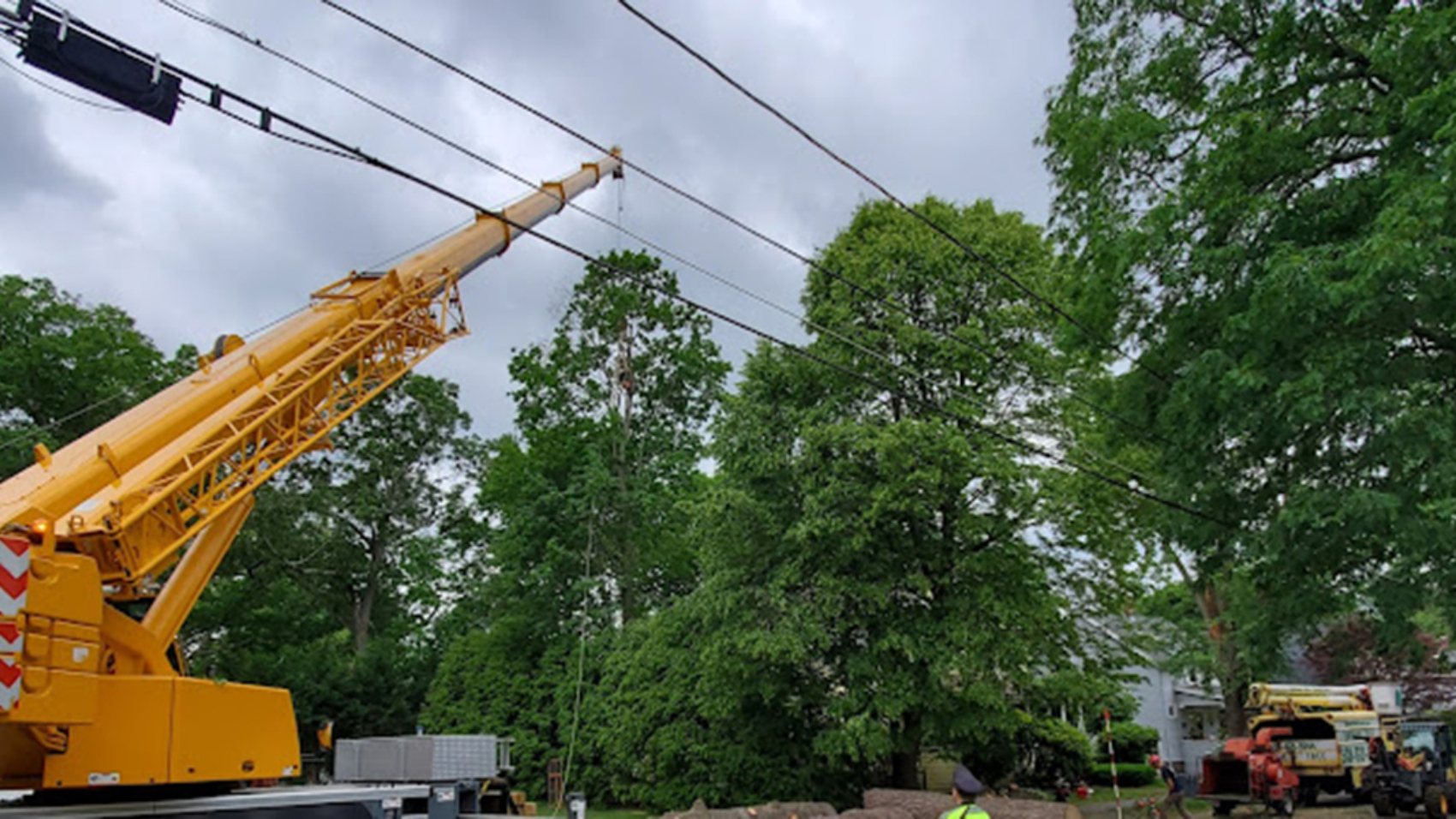
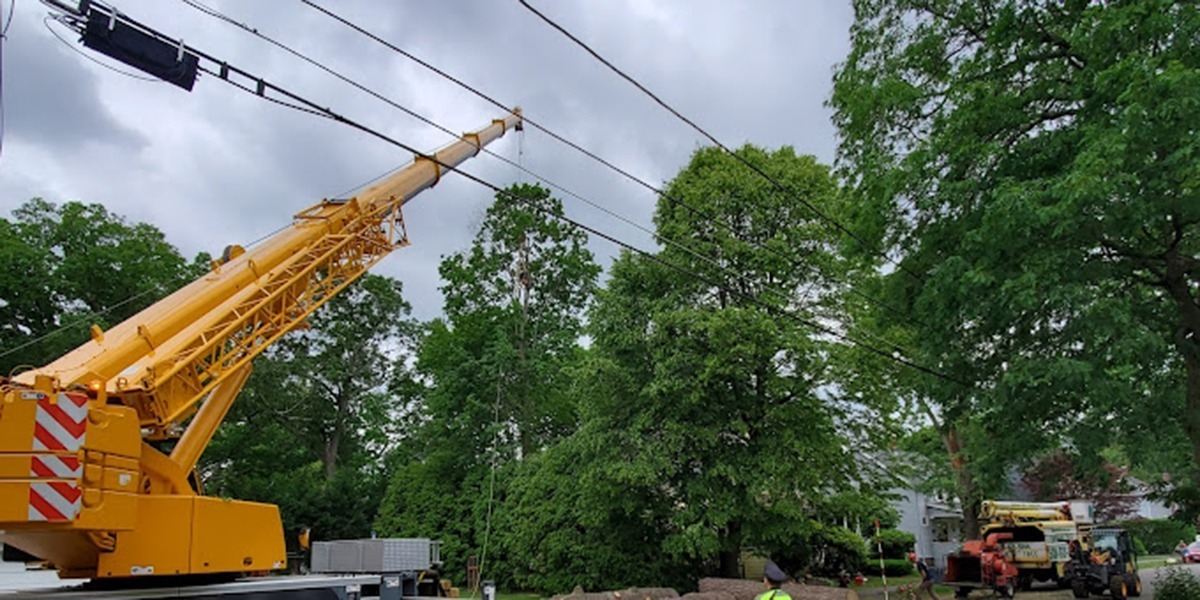
If you have a tree branch touching a power line to a house, removing it is a professional undertaking. Our licensed arborists provide such tree services in Sudbury, MA. However, while we respond quickly and take care of the danger for you, even our experienced professionals will do this job with extreme caution every time.

Below, learn more about the electrical hazard posed when tree limbs don’t have the proper utility line clearance and who should pay for it.

tree branch touching power line to house

When Removing Branches Near Power Lines Is the Homeowner’s Responsibility

As a homeowner, you are responsible for keeping tree limbs away from the power service line coming to your home from the main utility line. 

When trees are touching these service lines, they could cause power interruptions at your house or start on fire if an arc occurs. Importantly, these service lines have significant power running through them. Coming in contact with one while using trimming tools could electrocute you, so always contact a local arborist to safely remove or trim the branches as soon as you notice the problem.

When Branches Touching Electrical Lines Are the Utility Company’s Job

If you have a tree branch touching a power line to a house, it’s a different situation than a branch near a main electrical line that serves the neighborhood. In that case, you should file a utility company notification. The utility workers must clear the branches.

If you have concerns that one of your property’s trees is near a main electrical line, contact the utility company first. A few local regulations may require you, as the homeowner, to contact your own arborist to trim this tree. However, most places require the utility company to do the work near the main electrical lines.

Don’t Risk the Hazards of DIY Branch Removal Near Power Lines

You should never try to trim limbs and trees yourself, but this applies doubly to those overhanging or within several feet of electrical lines. Besides the risks of falls, damage, and machinery mishaps, adding power to the equation adds a significant risk of fatal electrical shock. Live wires also increase your power outage risk and fire if a stray branch falls on or touches the line.

When removing branches that are close to utility poles and wires, arborists will follow the Tree Line USA program standards of safety. The right tools and experience protect the technician, the tree, your property, and the utility line.

Our Professionals at Brooke Tree Service Prioritize Tree Trimming Safety At All Times

When there is a tree branch touching a power line to a house, Brooke Tree Service’s professional tree removal team can provide the proper clearance for your home’s electrical line. This is delicate work, and our experts do it safely.

In the case of a utility line, this is one of the most important services an arborist offers. Keep your family safe by protecting your house and utilities from stray branches and dangerous limbs! Request an estimate by calling Brooke Tree Service today at (508) 613-5044!

tree leaves curling up

Why Are Your Tree’s Leaves Curling Up in Holliston, MA?

Do the trees in your yard look odd? Is there something not quite right with the leaves? 

When one or two leaves curl up, it’s easy to overlook them. But when several branches, or most of the tree, have leaves that appear crinkled, shriveled, and unhappy, your curiosity can turn into alarm. 

If you’re scratching your head wondering, “Why are my tree leaves curling up?”, professional tree services in Holliston, MA, have the answer. Chances are, it’s one of the following issues.

tree leaves curling up

Leaf Curl Disease

While leaf curl disease is notorious for attacking peach trees, other fruit-bearing species are also vulnerable to this condition. A fungal infection, it causes red, twisted leaves early in the season, which often fall off prematurely. 

Leaf curl disease thrives in cool, wet spring weather (I.e., the kind of weather Holliston experiences from March through May). Applying a fungicide spray in late fall or early spring can help prevent the fungus from taking hold and damaging your trees.

Pest Infestation

If pests like aphids, scale insects, and leafrollers are making a meal out of your tree and sucking the sap out of the leaves, the leaves will curl up, change color, and die. If you spot sticky residue (called honeydew), tiny webs, or clusters of insects in the tree, it’s time to take action. Insecticidal soap or horticultural oil can help, but you might want to call in a pro for bigger pest infestations.

Environmental Stress

Massachusetts weather can be temperamental. A sudden cold snap during an otherwise balmy spring or an early summer heatwave can stress trees, especially young or newly planted ones. Curling leaves tell you they’re stressed, and the best thing you can do is offer consistent care by mulching, watering, and shielding your trees from harsh winds when possible.

Water Imbalance

Too much or too little water can also cause tree leaves to curl up. It seems simple, but watering trees isn’t always as straightforward as it looks. Overwatering can suffocate roots, while underwatering leaves them thirsty. 

Either way, the leaves may curl up in protest when a tree doesn’t get the perfect amount of water. To determine whether your trees need a drink, check the soil a few inches down at the base of the tree. If it feels either soggy or bone dry, adjust your watering habits accordingly.

Nutrient Deficiency

Trees require a balanced diet, and a deficiency in essential nutrients, such as potassium or magnesium, can lead to leaf curling, yellowing, or stunted growth. A professional soil test eliminates the guesswork and tells you exactly what your tree is missing so you can feed it the right mix of fertilizers. 

Keep Your Trees Healthy With Help From Brooke Tree Service

If you see tree leaves curling up or signs of a dying tree in your Holliston, MA, yard, don’t panic. Reach out to Brooke Tree Service at (508) 613-5044 for a diagnosis and treatment options that will keep your trees looking their best with healthy, green, and uncurled leaves. 

why are my tree leaves turning yellow

Common Causes of Yellowing Tree Leaves in Millis, MA

Massachusetts property owners are proud of the amazing spectrum of autumn colors we enjoy in New England. However, prematurely yellowing leaves on trees can be a troubling sign. 

Why are my tree leaves turning yellow?

That’s a question we receive during the growing season often at Brooke Tree Service. As the leading provider of professional tree services in Millis, MA, we share the following information about the reasons property owners notice leaves that are having trouble.  

why are my tree leaves turning yellow

Improper Watering

Overwatering can lead to waterlogged soil. That suffocates tree roots and interrupts efficient oxygen absorption. In turn, this leads to stressed trees with yellowing leaves and leaf drop well before autumn.

On the other hand, underwatering chokes off essential moisture, resulting in drought stress. In addition to yellowing, look out for leaves that curl or wilt. Test the soil above the roots with a screwdriver to determine if it feels compacted or excessively dry. Deep watering that focuses directly on the tree’s drip zone, can mitigate dehydration.

Nutrient Deficiency

Trees require balanced nutrition to maintain their vibrant green foliage. Common problems include:

  • Nitrogen deficiency. This causes older leaves to turn yellow first, leaving newer growth green.  
  • Magnesium deficiency. This causes early leaf drop and deeper yellowing between veins. 
  • Iron deficiency (chlorosis). Excessively high soil pH or compacted soil limits iron availability. Look for green veins inside yellowing leaf tissue.

Soil tests can pinpoint specific deficiencies that support targeted treatments like fertilizer application or soil amendments.

Pests

Infestations by sap-sucking insects or other pests weaken trees and cause yellowing. Common Massachusetts pests include:

  • Aphids and scale Insects. These pests extract nutrients, leaving behind yellow, curled leaves.
  • Spider mites. Infestations create a stippled, yellow leaf discoloration.

Prompt expert treatment with insecticidal soaps or introducing natural predators can help restore tree health.

Diseases

Why are my tree leaves turning yellow? Our region sees some common tree diseases that  cause discoloration:

  • Fungal infections. Anthracnose and powdery mildew cause yellowing by disrupting nutrient uptake and photosynthesis.
  • Bacterial pathogens. Invasive microorganisms cause wilting and leaf spotting in addition to yellowing.  

Arborists treat diseases through proper pruning, improving air circulation, and applying fungicides as needed.

Environmental Stress

Environmental factors can heavily impact tree health, contributing to leaf discoloration:

  • Soil pH imbalance. Out-of-range acidity hinders nutrient absorption at the root zone.   
  • Compacted soil. Damaged topsoil impairs root growth, water flow, and nutrient uptake.
  • Temperature extremes. Large, sudden weather changes stress trees and cause yellowing leaves.

Arborists often amend soil with organic matter or mulch to alleviate compaction and improve soil conditions.

Call On Brooke Tree Service for Expert Arborist Services

Why are my tree leaves turning yellow? As we’ve discussed, yellowing leaves are a symptom of underlying health issues. Brooke Tree Service specializes in diagnosing and resolving tree health issues.  

Take a look at our other posts for coverage of other common Massachusetts tree health topics, like understanding the reasons the top half of a tree has no leaves

Contact Brooke Tree Service today at (508) 613-5044 for all your tree care needs.

how to tell if a tree is dead or dormant

How To Tell If a Tree Is Dead or Dormant in Dover, MA

Trees go dormant every winter and wake up again in the spring or summer. Some trees don’t wake up, however, and die during their dormancy period. If you’re wondering how to tell if a tree is dead or dormant, you need to recognize the visible signs in its branches, bark, and roots.

Brooke Tree Service’s arborist can identify problems for you as we offer expert tree services in Dover, MA. In the meantime, read on to learn how to check that your tree is still alive.

how to tell if a tree is dead or dormant

Locate New Buds

Do a bud inspection as the weather warms up. New buds are a clear sign that the tree is still alive and well. You may even see buds developing at the crown while it’s still dormant. 

 Don’t give up on your tree too soon. Some trees take longer for the leaf growth cycle to begin.

Look for Dead Branches

Trees enter and exit dormancy every year. Is your tree secretly dying in the process? Look for dead branches to determine if there’s a chance your tree is dying. 

Are most of the tree’s branches growing leaves and buds? If they are, but there’s a portion of dead wood, you need an arborist to check your tree’s health. Having no leaves is a bad sign.

Check the Trunk for Trouble

Tree trunks provide a lot of clues. You can discover a lot about your tree’s health by looking for:

  • Cracks from damage or pest pressures
  • Wounds that aren’t healing correctly
  • Decaying bark or wood
  • Bark peeling
  • Trunk discoloration

Trunk symptoms are tricky to pinpoint. Be sure to rely on a trusted arborist like Brooke Tree Service to decipher what’s going on with your tree.

Watch Out for Pests

Pests can introduce diseases to your trees and cause plenty of damage on their own. Look for holes, cracks, or lines. 

You’ll also want to check bark crevices and around the tree for nests.

Bend the Branches

If you’re still wondering how to tell if a tree is dead or dormant, bend a branch. Choose the end of a thin limb and bend it back towards itself. Did it snap?

If it snapped, do a quick scratch test with your fingernail. Green indicates dormancy. If it’s brown inside, it’s dead.

The branches of dead trees will snap easily. Branch flexibility is a sure sign that the tree is alive and well.

Check for Decaying Roots

You may need to dig up a little soil to determine if the roots are healthy or not. However, a clear sign that doesn’t involve digging is mushrooms. 

Fungi show up when there is decaying matter. Mushrooms around your tree indicate that something is wrong. The roots may be struggling.

Call Brooke Tree Service To Check Your Trees

It’s okay if you still don’t know how to tell if a tree is dead or dormant! In Dover, MA, you can let Brooke Tree Service help and receive all the benefits of regularly inspecting trees. Call us today at (508) 613-5044!

shrub fertilization

How Shrub Fertilization Improves Your Garden’s Overall Health in Medway, MA

Are your shrubs struggling to survive? Do they look like they look like they’re wilting or losing their vibrant color? Give your shrubs the nutrients they need through shrub fertilization, and they’ll reward you with healthier growth, stronger roots, and brighter colors. 

Brooke Tree Service, a reputable tree service company in Medway, MA, explores how managing the nutrients you feed your shrubs can make your outdoor space burst with life. 

shrub fertilization

What Is Shrub Fertilization? 

Shrub fertilization involves adding specially formulated nutrients to help shrubs thrive. 

While fertilizer types vary depending on shrub nutrient needs, most typically contain a special mix of plant foods like nitrogen for leafy growth enhancement, phosphorus for strong roots, and potassium for overall shrub vitality and resilience. 

This balanced combination, along with essential micronutrients, ensures shrubs receive the nourishment they need to flourish. While shrubs in rich soil manage fine alone, others need this extra nutrition to grow lush and healthy. 

Benefits of Fertilizing Your Shrubs 

Before applying fertilizer, test the soil for nutrients. Choose a slow-release fertilizer, apply it evenly around the plant, and water well afterward. Proper shrub fertilization comes with several benefits that make it worth the investment. 

Keeps Plants Strong, Healthy, and Vibrant 

Fertilizing your shrubs regularly boosts their health by providing essential nutrients. These nutrients help roots absorb water better, which leads to lush foliage and vibrant colors. If your shrubs are healthy, they’ll thrive longer and enhance the beauty of your garden. 

Improves Soil Quality 

Shrub fertilization replenishes what the soil has lost over time to maintain a healthy soil nutrient balance. It feeds plants essential elements while pumping life back into tired soil. Seasonal fertilization creates a richer environment that helps plants thrive and even keeps bugs away.   

Speeds Up Recovery 

Fertilizing shrubs helps them recover by providing the essential nutrients they need to heal and grow. Healthy, well-fed shrubs are more resilient against pests, diseases, and harsh weather, allowing them to bounce back more quickly after stressful conditions. 

Promotes Root Growth 

Shrub fertilization promotes root health, which makes them grow stronger and more stable in harsh weather like storms and droughts. It also breaks up compacted soil, letting roots spread out and soak up all the nutrients they need. This way, shrubs can thrive even in tough conditions. 

Reduces Maintenance Needs 

Regularly fertilizing your shrubs keeps them healthy and lush, which means less time spent pruning and trimming. Not to mention, healthier plants attract fewer pests. This lets you enjoy their beauty without worrying constantly about maintenance. 

Trust Your Local Tree Care Experts for Help 

Not every tree care company prioritizes quality like we do at Brooke Tree Service. We use the highest-quality fertilizers to keep your trees and shrubs healthy. Beyond shrub fertilization, we handle other tree care projects, including: 

  • Tree trimming 
  • Arborist services 
  • Tree removal 
  • Tree planting 

Call us at (508) 613-5044 to request your free estimate or to learn how tree roots can get into pipes. We look forward to giving your trees and shrubs the best care possible. 

planting trees for wildlife

Planting Trees for Wildlife – A Guide for Medway, MA, Residents

One of the biggest dangers the environment is facing nowadays is habitat loss. Countless species around the globe are at risk of endangerment or extinction because of the destruction of their homes.

Adding trees to your yard is a small but effective way to help mitigate habitat loss by providing essential vegetation for species of all sizes. With that in mind, our team at Brooke Tree Service is here with this quick guide on planting trees for wildlife. 

When you need a tree service specialist in Medway, MA, give us a call!

planting trees for wildlife

Trees’ Role in the Environment

Trees play several crucial ecological roles and are a central part of ecosystem balance that supports biodiversity around the globe. Wildlife habitats depend on trees for several things.

Food Sources and Shelter

Most obviously, animals use trees for food, shelter, and their daily lives. Animals sustain themselves on tree fruits and foliage and use tree materials for various things.

Tree loss is directly detrimental to species because they contain so many things essential to species’ survival. Even humans rely on trees for things like timber used in construction. Tree’s importance is why they are central to sustainability efforts

Oxygen Production

Trees also play a crucial role in oxygen production. They suck up carbon dioxide waste products from living things and turn it into fresh oxygen for breathing. Carbon dioxide is not breathable and also contributes to higher global temperatures, so trees are essential for climate control and preservation. 

Clean Air

In addition to oxygen production, trees also help with cleaning the environment. They remove harmful pollutants and particulate matter from the air, such as nitrogen oxides, dust, and dirt. Trees’ activity makes the air cleaner to breathe, and tree root activity removes harmful substances from the soil and controls soil runoff. 

Best Trees to Plant for Wildlife in Massachusetts

Below are some of the best trees to plant to support native wildlife in Massachusetts. 

Oaks

Oaks are strong and are a habitat for hundreds of vital insect species. Red oak, in particular, is perfect for wildlife because it grows quickly and has a high tolerance for cold and drought. Red oak also produces acorns, which are a vital source of food for numerous species. 

Sycamore

Sycamores are another fast-growing North Atlantic tree species that is an important source of food for native species. Sycamore produces small fruiting bodies that are an important source of nutrients for deer, squirrels, and rabbits. 

Red Cedar

Red cedar is a tall, evergreen tree that supports several bird species. These species sustain themselves on cedar fruit, use its branches for shelter, and even offer pollinator support. Cedar is also a useful bulwark against wind shearing and can protect natural landscapes from erosion. 

Tree Services in Medway, Massachusetts

Whether you need to know how tree roots get into pipes or how to care for a dead tree, our team at Brooke Tree Service is here to assist. Contact us online or call today at (508) 613-5044 if you have any more questions about planting trees for wildlife!

cabling a tree

What Is Tree Cabling and When Is It Necessary?

You might not have to cut one or more of your trees down entirely if you notice them leaning after a storm or growing in a way that creates an uneven load distribution in their canopies. Bracing and cabling a tree can restore stabilization and encourage healthy plant growth.

Brooke Tree Service offers tree cabling and bracing as part of our comprehensive tree care services. Below, our reliable tree service in Natick, MA, explains why this tree care is important.

cabling a tree

What Is Tree Bracing and Cabling?

Tree cabling and bracing are ways arborists give damaged or weak trees extra support and stability. When cabling a tree, professionals use durable yet flexible steel cables that limit the movement of large branches and reduce the risk of branch failure from high winds.

Bracing stabilizes tree trunks and large limbs to prevent cracking and splitting. The braces are unmovable rods that often go under the cables to support weak points within the tree. However, dynamic bracing allows for some natural tree movement due to wind.

Top Benefits of Tree Cabling

Though trees can experience many kinds of structural problems, it doesn’t mean there’s no hope for the plant. Cabling a tree can save it and provide many benefits.

Longer Tree Lifespan

The right canopy stabilization method and tension adjustments to cables and braces around tree trunks can help weak trees grow stronger. This support system allows the tree to recover from damage while protecting it from additional harm. As such, trees can have a longer, healthier life with professional cabling and bracing.

Improved Safety

A tree with considerable damage or structural weakness could lose its limbs or collapse, which could cause serious injuries or major property damage. Bracing and cabling a tree keeps its trunk from splitting and its limbs from breaking. Both techniques restrict tree movement effectively, even in bad weather.

Better Healing

Your tree could benefit from cabling and bracing despite its existing damage. These stabilization procedures can help your tree heal naturally by preventing further damage and limb loss.

How Cabling and Trimming Improve Tree Health

Tree cabling and bracing work well with other tree care services like trimming and pruning. Cabling supports trees internally, while trimming addresses problems within the plants’ external structure. Incorporating these services together gives trees the best chance at recovery and stability in the following ways:

  • Mitigating hazards by removing dead, diseased, or decayed limbs that could break and fall
  • Reducing tree stress by pruning heavy or overextended branches
  • Balancing growth by trimming the tree in a way that promotes healthy growth while minimizing the need for additional cabling

Call Brooke Tree Service Today and Give Your Tree the Care It Needs

Whether a tree on your property needs limb reinforcement or structural support, you can get the help you need from our professionals at Brooke Tree Service. We have more than 15 years of experience providing comprehensive tree care services in Natick, Massachusetts, including arborist services, tree cabling, tree trimming, and stump grinding.

Do you need help cabling a tree or want to know what an arborist is? We can help—call (508) 613-5044 today.