pruning mistakes

Six Pruning Mistakes To Avoid in Westborough, MA

When trees are spreading too far or are growing too tall, pruning might be the easiest solution. Still, you don’t want to make any common pruning mistakes and damage your tree’s long-term health. 

If you need these tree services in Westborough, MA, it’s a better choice to leave this work to professionals like Brooke Tree Service. Learn more below about some of the biggest errors people make when pruning their trees so that you can avoid doing the same.
pruning mistakes

1. Using Poor-Quality Tools

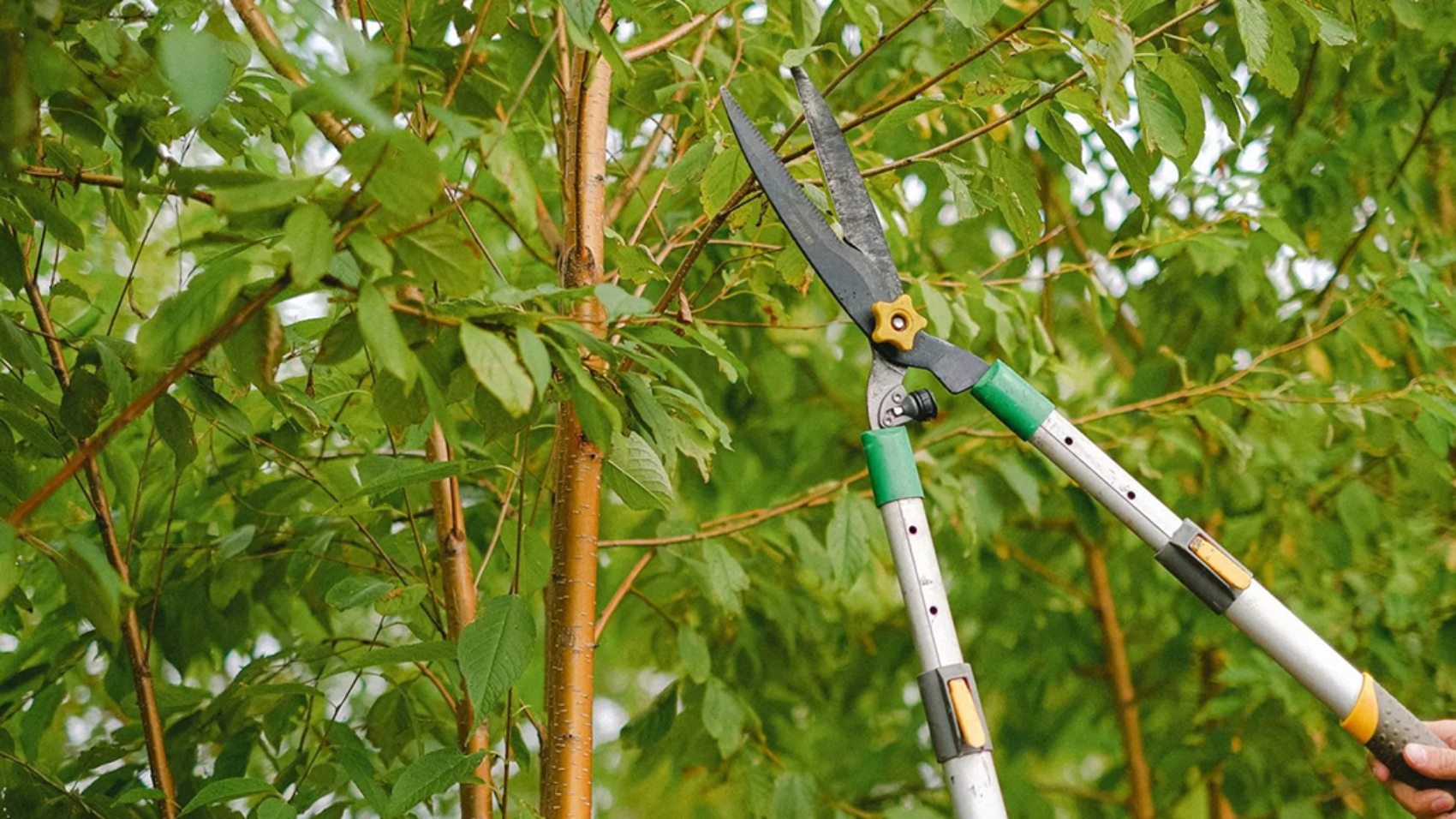
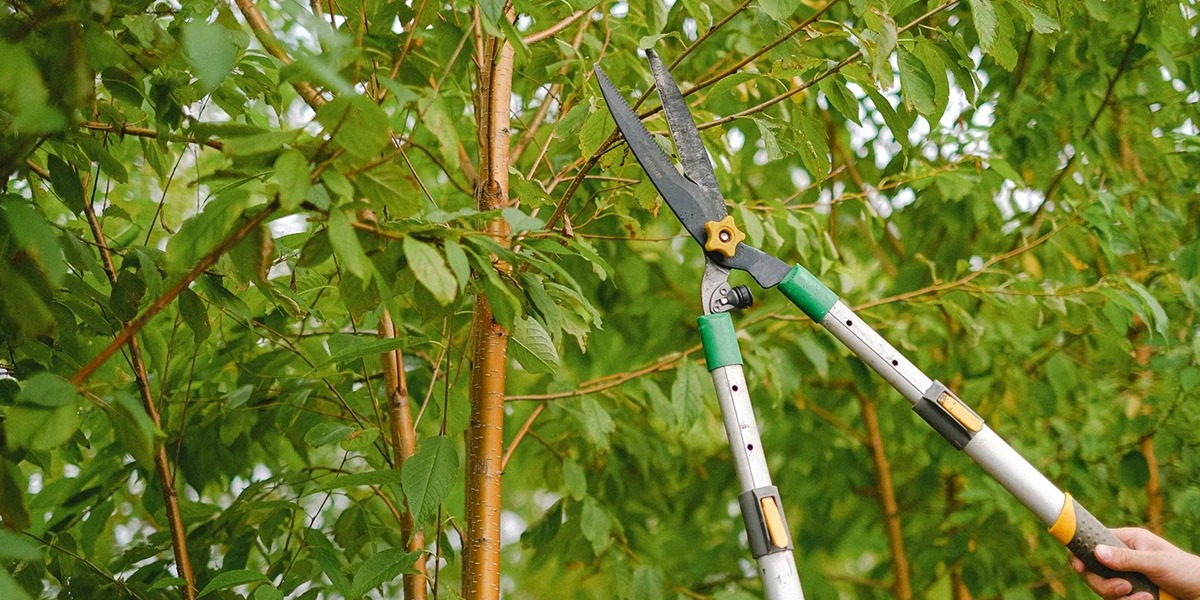
Pruning with the wrong tools or dull blades is a terrible mistake. Sharp tools will provide a clean cut, giving your tree the best chance at closing its wound. A dull blade would tear the wood and bark, which often opens up the tree to insect infestation and diseases.

2. Pruning in the Wrong Place

One of the most common pruning mistakes inexperienced gardeners make is cutting a branch in the wrong spot. Leaving too much of the branch behind, called a stub cut, can cause decay. Taking off the branch too close to the trunk can make the cut difficult to heal.

3. Cutting at the Wrong Time

It’s important to avoid pruning when the tree is in the active growing season. Typically, this is from spring through late summer, and removing too many leaves during this time affects the health of the plant. Arborists know how to avoid timing errors and will prune the tree during fall or early winter when the plant is going into dormancy.

4. Chopping Off the Top of the Tree

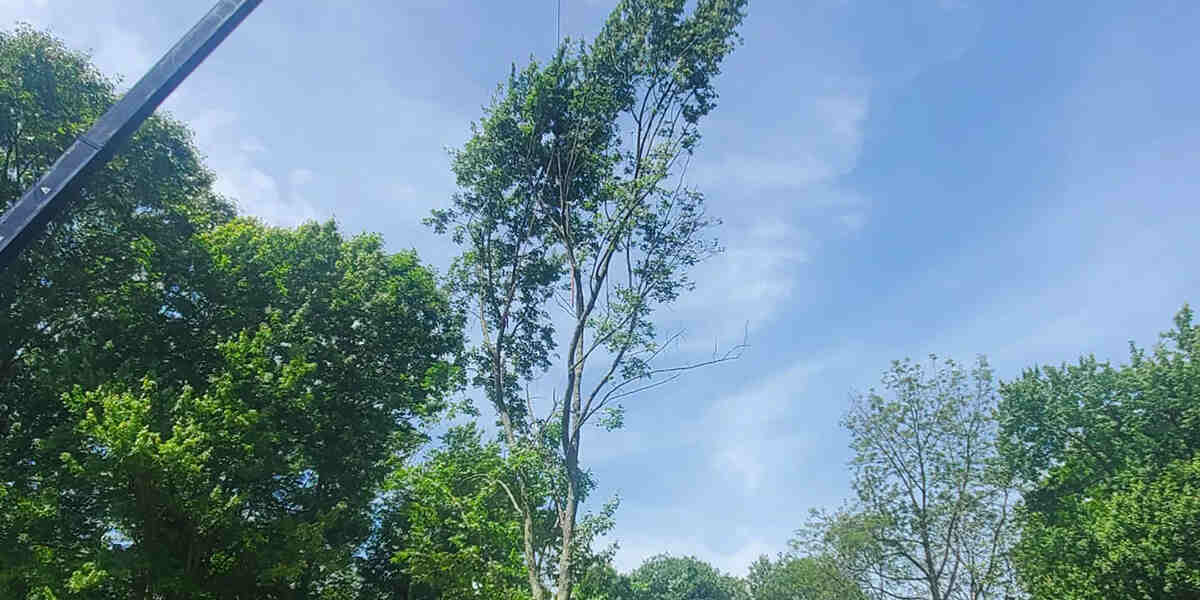
Topping trees can be dangerous for their health — and for yours. Bringing down the height when pruning trees yourself can affect the tree’s viability because taking off too much of the canopy sends the tree into shock and slows its recovery. Let’s not forget the safety equipment and experience required to climb high into a tree, balance heavy branches, and avoid a dangerous fall at the same time.

5. Prioritizing a Shape Over Strategic Cuts

If you’re solely trying to cut the tree’s canopy in a particular shape, you’ll likely commit avoidable pruning mistakes. Ignoring branch structures runs the risk of damaging the tree. If cuts weaken it, your shapely tree won’t stand up to the next wind storm.

6. Making Too Many Small Cuts for the Tree To Heal

How can you achieve successful results with pruning? Usually, an arborist would advise making minimal strategic cuts rather than dozens of random ones. Every laceration opens the tree to potential harm, and it’s easier to heal a few large cuts rather than hundreds of small wounds.

Let Brooke Tree Service Inspect Your Trees and Determine the Proper Pruning Technique for Each One

Improper cuts and over-pruning are common problems when pruning trees without a plan. Brooke Tree Service thoroughly inspects each tree before picking up a tool. Knowledgeable arborists can also help you with deciding between tree trimming and pruning when the time comes.

Brooke Tree Service has the equipment and know-how to prune trees safely while avoiding pruning mistakes. Contact us today at (508) 613-5044 for a free estimate!

can you fertilize trees in summer​

Can You Fertilize Trees in Summer?

Are your trees looking less vibrant as the weather grows warmer? You might be wondering if a little fertilizer could help.

As the go-to crew for tailored tree services in Wayland, MA, we at Brooke Tree Service help many property owners keep their living landscapes thriving year-round. Keep reading and learn how to fertilize your specimens the right way.

can you fertilize trees in summer​

What Is Fertilizer?

Can you fertilize trees in summer? Before diving into that question, let’s quickly cover the basics. Fertilizer is any natural or chemical substance added to the surrounding soil or directly to a plant to boost its vigor.

Most products you find at your local gardening store contain these macronutrients, the substances trees need in large quantities:

  • Nitrogen: This element is a key component of chlorophyll, which allows plants to turn sunlight into energy. Feeding it to a deficient tree will likely encourage denser foliage and faster growth.
  • Phosphorus: Phosphorus aids the root development of shrubs and trees for improved water and nutrient uptake
  • Potassium: With healthy potassium levels, plants’ cell walls better resist insect attacks, diseases, drought, and other stressors.

Trees also require smaller amounts of micronutrients such as magnesium, sulfur, and iron.

How To Spot the Need for Summer Tree Fertilization  

Can you fertilize trees in summer? Absolutely. It’s an excellent way to protect your specimens from heat stress and keep them thriving. We recommend doing it at the start of the season before the weather gets too hot.

If you’re considering fertilization as a way to target specific issues, take great care to diagnose them accurately. Here’s a general guideline:

  • Overall stunted growth with small, yellowing leaves: possible nitrogen deficiency.
  • Yellowing leaf tips and edges and brownish spots underneath: possible potassium deficiency.
  • Prematurely dropping foliage or small leaves with scorched edges and purple and green coloration: possible phosphorus deficiency.
  • Leaves darkening from the base outward before dying: possible calcium deficiency.
  • Unusually pale leaf veins: possible sulfur deficiency.
  • Leaf centers looking reddish or yellow: possible magnesium deficiency.
  • Yellowing leaves with green veins: possible iron deficiency.

While these symptoms may hint at nutrient deficiencies, they can also stem from pests, diseases, or environmental factors. Instead of playing guessing games, why not let a specialist pinpoint the exact issue and solution?

Smart Fertilizing Tips for Healthy, Summer-Ready Trees

If you want to boost soil health and your trees’ growth, incorporate these steps into your care routine:

  • Always start with small amounts, preferably a slow-release fertilizer, to minimize the risk of over-fertilizing.
  • For an even safer approach that also improves soil structure, consider organic options like compost or well-rotted manure.
  • Apply the product evenly around the drip line, avoiding direct application near the trunk.  
  • Water the area thoroughly afterward to help nutrients soak into the soil.  

Tree Fertilization Specialists in Wayland

Can you fertilize trees in summer? Yes, but this task has more complexities than meets the eye. Let Brooke Tree Service take the guesswork out of the process.

Call (508) 613-5044 or read more of our blog and learn the right way to fertilize a vegetable garden.

tree branch touching power line to house

What To Do When a Tree Branch Touches a Power Line To Your House

If you have a tree branch touching a power line to a house, removing it is a professional undertaking. Our licensed arborists provide such tree services in Sudbury, MA. However, while we respond quickly and take care of the danger for you, even our experienced professionals will do this job with extreme caution every time.

Below, learn more about the electrical hazard posed when tree limbs don’t have the proper utility line clearance and who should pay for it.

tree branch touching power line to house

When Removing Branches Near Power Lines Is the Homeowner’s Responsibility

As a homeowner, you are responsible for keeping tree limbs away from the power service line coming to your home from the main utility line. 

When trees are touching these service lines, they could cause power interruptions at your house or start on fire if an arc occurs. Importantly, these service lines have significant power running through them. Coming in contact with one while using trimming tools could electrocute you, so always contact a local arborist to safely remove or trim the branches as soon as you notice the problem.

When Branches Touching Electrical Lines Are the Utility Company’s Job

If you have a tree branch touching a power line to a house, it’s a different situation than a branch near a main electrical line that serves the neighborhood. In that case, you should file a utility company notification. The utility workers must clear the branches.

If you have concerns that one of your property’s trees is near a main electrical line, contact the utility company first. A few local regulations may require you, as the homeowner, to contact your own arborist to trim this tree. However, most places require the utility company to do the work near the main electrical lines.

Don’t Risk the Hazards of DIY Branch Removal Near Power Lines

You should never try to trim limbs and trees yourself, but this applies doubly to those overhanging or within several feet of electrical lines. Besides the risks of falls, damage, and machinery mishaps, adding power to the equation adds a significant risk of fatal electrical shock. Live wires also increase your power outage risk and fire if a stray branch falls on or touches the line.

When removing branches that are close to utility poles and wires, arborists will follow the Tree Line USA program standards of safety. The right tools and experience protect the technician, the tree, your property, and the utility line.

Our Professionals at Brooke Tree Service Prioritize Tree Trimming Safety At All Times

When there is a tree branch touching a power line to a house, Brooke Tree Service’s professional tree removal team can provide the proper clearance for your home’s electrical line. This is delicate work, and our experts do it safely.

In the case of a utility line, this is one of the most important services an arborist offers. Keep your family safe by protecting your house and utilities from stray branches and dangerous limbs! Request an estimate by calling Brooke Tree Service today at (508) 613-5044!

tree leaves curling up

Why Are Your Tree’s Leaves Curling Up in Holliston, MA?

Do the trees in your yard look odd? Is there something not quite right with the leaves? 

When one or two leaves curl up, it’s easy to overlook them. But when several branches, or most of the tree, have leaves that appear crinkled, shriveled, and unhappy, your curiosity can turn into alarm. 

If you’re scratching your head wondering, “Why are my tree leaves curling up?”, professional tree services in Holliston, MA, have the answer. Chances are, it’s one of the following issues.

tree leaves curling up

Leaf Curl Disease

While leaf curl disease is notorious for attacking peach trees, other fruit-bearing species are also vulnerable to this condition. A fungal infection, it causes red, twisted leaves early in the season, which often fall off prematurely. 

Leaf curl disease thrives in cool, wet spring weather (I.e., the kind of weather Holliston experiences from March through May). Applying a fungicide spray in late fall or early spring can help prevent the fungus from taking hold and damaging your trees.

Pest Infestation

If pests like aphids, scale insects, and leafrollers are making a meal out of your tree and sucking the sap out of the leaves, the leaves will curl up, change color, and die. If you spot sticky residue (called honeydew), tiny webs, or clusters of insects in the tree, it’s time to take action. Insecticidal soap or horticultural oil can help, but you might want to call in a pro for bigger pest infestations.

Environmental Stress

Massachusetts weather can be temperamental. A sudden cold snap during an otherwise balmy spring or an early summer heatwave can stress trees, especially young or newly planted ones. Curling leaves tell you they’re stressed, and the best thing you can do is offer consistent care by mulching, watering, and shielding your trees from harsh winds when possible.

Water Imbalance

Too much or too little water can also cause tree leaves to curl up. It seems simple, but watering trees isn’t always as straightforward as it looks. Overwatering can suffocate roots, while underwatering leaves them thirsty. 

Either way, the leaves may curl up in protest when a tree doesn’t get the perfect amount of water. To determine whether your trees need a drink, check the soil a few inches down at the base of the tree. If it feels either soggy or bone dry, adjust your watering habits accordingly.

Nutrient Deficiency

Trees require a balanced diet, and a deficiency in essential nutrients, such as potassium or magnesium, can lead to leaf curling, yellowing, or stunted growth. A professional soil test eliminates the guesswork and tells you exactly what your tree is missing so you can feed it the right mix of fertilizers. 

Keep Your Trees Healthy With Help From Brooke Tree Service

If you see tree leaves curling up or signs of a dying tree in your Holliston, MA, yard, don’t panic. Reach out to Brooke Tree Service at (508) 613-5044 for a diagnosis and treatment options that will keep your trees looking their best with healthy, green, and uncurled leaves. 

can i trim a tree that overhangs my property

Who Is Responsible for Trimming a Tree Overhanging My Property in Medway, MA?

It’s common for trees to extend beyond their original planting spot. While you have the right to protect your property from encroachment, there are important legal and practical considerations to keep in mind. As the leading provider of expert tree services in Medway, Massachusetts, we’d like to offer some practical information about the question: “Can I trim a tree that overhangs my property?”

can i trim a tree that overhangs my property

Know Your Rights: Trimming Without Trespassing

Massachusetts law generally allows homeowners to trim branches and roots that extend onto their property. However, the right to self-help tree trimming comes with limitations. You can only trim up to your property line, and you must avoid trespassing or damaging the tree’s health. If your trimming causes the tree to die or become unstable, you could be liable for the damage.

The legal framework around property line tree trimming rights gives you control over your airspace, but only within your property boundaries.

Massachusetts courts have been clear over the years on overhanging tree branches law. While you can act if the tree is encroaching on your property, you cannot force your neighbor to trim it unless it’s causing actual harm or poses an imminent danger. Ordinary nuisances like leaves, sap, and blocked sunlight are not sufficient to force trimming.

This means your neighbor isn’t obligated to take care of the issue unless the tree is dead, dying, or causing structural damage. If you’re concerned, it’s wise to hire a certified arborist for an assessment. Their report can help you and your legal advisor determine whether there’s a hazard.

Navigating a Neighbor Tree Dispute

Open communication can go a long way in avoiding an unpleasant disagreement with your neighbor. Start by discussing your concerns politely and offering to cover the cost of professional trimming. You might also suggest splitting the cost, especially if both parties will benefit from the work.

If tensions escalate or the tree is causing serious damage, you may want to seek mediation or legal guidance. While tree encroachment over property lines can spark frustration, handling the situation calmly and legally protects both your rights and your relationship with your neighbor.

Trim Safely by Hiring a Pro

Even when you’re legally in the clear, improper pruning can cause long-term damage. Avoid aggressive cuts, never “top” a tree, and don’t trim beyond your side of the boundary. It’s best to call in professionals like the team with Brooke Tree Service.

Call Brooke Tree Service for Help With Trimming a Neighbor’s Overhanging Tree  

Now that we’ve discussed, “Can I trim a tree that overhangs my property?” Brooke Tree Service can help. Reach out if you’ve reached an agreement with your neighbor about handling an overgrown tree or need help with proceeding.

We’ll evaluate the tree, explain your options, and perform expert trimming that respects boundaries and arboricultural best practices. While you’re here, check out our post on understanding tree trimming and pruning.

Call Brooke Tree Service today at (508) 613-5044 for professional tree care in Medway, Massachusetts.

tree cutting vs tree removal

The Difference Between Tree Cutting and Tree Removal

Tree cutting vs. tree removal: which would serve your property better? Brooke Tree Service conducts all types of tree services in Natick, MA, so our arborists have plenty of experience to share as you make this decision. Let’s take a look at these two tree management approaches below.

tree cutting vs tree removal

The Nuances of Tree Cutting vs. Tree Removal

A dependable local tree service company will offer you numerous tree service options. How do you decide between tree cutting vs. tree removal? The decision depends on a few factors, including the company’s capabilities and equipment, your tree’s proximity to things, and the situation.

What Purpose Does Tree Cutting Serve?

Some service providers refer to pruning or trimming services as “tree cutting,” but you’ll more often hear it in reference to a full tree felling. In this context, tree cutting is generally a simpler service than “removal.” Here’s how cutting works:

  • The arborist makes a cut as close to the base of the tree as possible. 
  • They might cut out a full wedge, depending on the tree-cutting techniques they follow.
  • They make a final “felling” cut on the other side to encourage the tree to fall forward. 

A tree removal process is more complex. For example, the arborist doesn’t simply cut from the base to encourage the tree to fall.

What Is Tree Removal?

The tree removal process is more than felling. Instead, the team will carefully disassemble the tree, starting from the top and moving down bit by bit. 

First, they’ll remove the branches. Then, they cut the trunk away piece by piece, lowering each one down safely. Stump removal services often form part of the overall tree removal. 

Tree Cutting vs. Tree Removal: Which Do You Pick for Your Property?

When you’re choosing between tree cutting vs. tree removal, request a tree health assessment to verify whether the tree needs removal in the first place. Some specimens are weakened, but you can nurse them back to health. After that, discuss professional tree services and get some quotes.

Typically, tree cutting might work best if:

  • You have no power lines or building structures near the tree, so free-falling is safe. 
  • You don’t have to worry about passing traffic or people or have to request permission to section off any nearby roads or sidewalks.

Is your tree still at a manageable height and width? The bigger the tree, the more unpredictable the job. Unless you have a wide-open space for larger specimens to fall, consider removal services instead. 

Typically, tree removal costs a little more than cutting because the arborist must have more control over the removal service and safely maintain the surrounding area. Both services require cleanup and loading.

Brooke Tree Service Takes Care of Your Property With Safe Tree Removal Services in Massachusetts

Tree cutting vs. tree removal is an easy choice if you live in a residential or heavily populated area – let Brooke Tree Service take on the arduous task of dismantling damaged or dead specimens safely! If you’re considering tree removal services in the area, call 508-613-5044 for your free service estimate from our tree professionals!

does clearing land increase property value

Does Land Clearing Increase Your Property’s Value in Dover, MA?

Does clearing land increase property value? Hiring our professional tree services in Dover, MA, to clear your overgrown parcel can provide significant benefits in terms of land value. 

We understand how our services, like land grading, tree and brush removal, and clearing of weeds, will enhance curb appeal. Our work shows the landscaping potential of a piece of property, too. Learn more about why our land-clearing services are so important.

does clearing land increase property value

Benefits of Having Your Property Cleared

When you remove overgrown vegetation from a piece of land, you could receive several benefits.

Removing Hazards on the Lot

Noxious weeds, dangerous rodents, and hazardous trees all might be found on an overgrown lot. Our work to clear the space puts an end to these hazards, making the space safer to use for any purpose.

Unlocking the Space’s Potential

When a piece of property becomes cluttered with weeds, brush, and dead trees, it’s tough to have a vision of what it could become. Once you have more free space, it’s easier to make plans for using the parcel.

Adding Outbuildings or Gardens

Once we clear a piece of land for you, you can add useful items. Perhaps you need a barn for animals or want a large garden. Our work will give you the room needed to add these items.

Better Curb Appeal

If you are trying to sell a lot, buyers may be leery about offering full price when it’s overgrown. Cleaning it out and making it look better can increase buyer interest, hopefully creating a bidding war.

Can Clearing Land Be a DIY Project?

Does clearing land increase property value if you do it yourself? Although some property owners might try this work, it can be extremely difficult. If you don’t have experience with the construction equipment you need to rent, you could cause more damage than benefit for the overgrown lot.

Our professionals have the heavy equipment needed to clear property. We choose the proper equipment based on the lot size and your development plans. We can also give you advice on how zoning regulations might affect your plans. 

We know how to shape the property to improve water drainage. Rather than tearing out trees haphazardly, we consider your plans for the space. We figure out which trees to save to enhance the parcel’s value. 

We tailor our land-clearing efforts to match how you’d like to use the space after we finish.

Brooke Tree Service Offers a Satisfaction Guarantee to Our Customers

Does clearing land increase property value with the help of professionals? You have a better chance of unlocking higher valuations for your lot or rural property when you hire the team at Brooke Tree Service. 

Our experts have the tools, equipment, and skills to safely clear a plot to make it more valuable. We strive to give you an understanding of professional arborist services and why they’re important for a project like this. For a free cost estimate in Dover, MA, call us today at (508) 613-5044

arborist vs certified arborist

What Makes a Certified Arborist Different From a Regular Arborist?

Arborist vs. certified arborist: what’s the difference to your trees? Are these professional roles the same? Here are some answers from Brooke Tree Service, a trusted tree service in Medfield, MA.

arborist vs certified arborist

Plain Old Arborist vs. Certified Arborist: What Makes Them Different?

Like any professional field, an arborist can pursue specific qualifications and higher expertise levels in tree care. Knowing how to apply the best industry practices to clients’ cases can be tricky. However, not every arborist receives specific certifications, including slapping on that lauded “certified” title. 

What Does an Arborist Do?

The average arborist applies basic industry standards and knowledge to their clients’ trees with the aim of protecting overall tree health. Typically, they’ll base their decisions on what is best for the target specimen or to protect surrounding trees. These individuals specialize in promoting the health of woody plants, like trees and shrubs, but their expertise may vary. 

All arborists typically have the same tree health objectives. However, not every professional has earned the right to call themselves a “certified arborist,” as we’ll see below. 

How Does a Certified Arborist Stand Apart?

What separates arborist vs. certified arborist titles? Your certified arborist is a specialist who has earned at least one professional certification. They’ve worked hard to receive years of formal education, completed hands-on training, and then demonstrated best practices to earn that badge of honor from a recognized organization. 

In this industry, it’s most common for an arborist to earn the ISA certification. The International Society of Arboriculture awards these certificates to arborists who meet its strict qualifications and pass in-depth examinations. An ISA-certified arborist brings much more than basic tree knowledge to the table, as they stay up to date on cutting-edge care techniques, tree ordinances, and more.

Should You Only Pick a Certified Arborist for Your Tree Projects?

Almost anyone with basic tree care knowledge and experience might call themselves an arborist. However, your certified arborist will always adhere to industry-specific standards. Often, certified individuals will apply more recent care tactics, which may benefit your trees more.

Can you work with an arborist who hasn’t earned a certification? Of course, you can. However, they may have had to figure out the best arboricultural practices from extensive industry experience and a wealth of accurate tree knowledge rather than a certification. 

After years on the job, they may know how to correctly trim a limb or two and apply basic fertilizer. However, when it comes to problematic trees or growth challenges, a property owner might choose a certified arborist to give their trees the best chance. Always verify that they have earned an ISA certification if they claim to be a certified “tree surgeon,” “licensed arborist,” or something similar.

Ask Brooke Tree Service About Hiring Trusted Tree Professionals in Medfield, Massachusetts

Now that you know how arborist vs. certified arborist designations differ, you may want to read more about understanding tree arborist qualifications and training. If you’re local, you can also call Brooke Tree Service at 508-613-5044 about services in Medfield, Massachusetts!

do mature trees need watering

Do Mature Trees Need Watering in Sherborn, MA?

Do mature trees need watering? Older trees certainly don’t need as much water as a newly planted tree requires, but they can benefit from a watering schedule.

Our expert tree service in Sherborn, MA, can give you advice on the best way to water your property’s trees. Learn more about why regular watering is vital for mature trees to help them with drought resistance.

do mature trees need watering


How To Decide if Your Mature Trees Need Water

If you water your lawn with sprinklers regularly, you might not think you need to water your tree separately. However, lawn watering typically doesn’t generate enough water for root absorption in an older tree with deep roots. Our arborists have some techniques to determine whether your mature trees are receiving enough water.

Measuring Soil Dampness

Our experts can test the soil at your property with a meter to measure soil moisture. When the soil is too dry, we can recommend a watering schedule.

Understanding Your Species of Mature Tree

Fully understanding tree watering requirements often depends on the type of tree you have. A deciduous tree that drops its leaves in the autumn needs less water in the dormant growing season. An evergreen tree can benefit from seasonal watering year-round when temperatures climb above freezing.

Inspecting the Tree

Our experts can inspect your mature tree for signs of moisture deficiency. When the leaves show curling, wilting, or yellowing before autumn, the tree might need watering.

Waiting until these signs appear could put your tree’s health in jeopardy. Letting our arborists set up a regular watering schedule for your mature tree helps you avoid this situation.

How To Water a Mature Tree Properly

Do mature trees need watering and how can you do it correctly? The best option is to use a soaker hose. It will deliver the water slowly, allowing it to soak into the soil and benefit the tree’s roots. 

You should set up the soaker hose well away from the trunk. Placing too much water near the trunk could lead to rot. 

Instead, encircle the tree with the soaker hose at the drip line. This is the line on the ground that matches the edges of the tree’s canopy overhead. The roots of a mature tree will grow outward toward the drip line and beyond it.

Continue watering until the soil is wet six inches below the ground. Use a screwdriver to measure the depth of the muddy soil. Watering this way once a month should meet the needs of most mature trees.

Call Brooke Tree Service for Help With All Your Tree Care Needs

Do mature trees need watering beyond the rain we receive? Deep watering once a month can provide the tree hydration it needs to thrive. If you’re afraid you’re overwatering, our expert arborists at Brooke Tree Service can test your soil.

For help with services like tree cabling and bracing or trimming dead branches, contact our experts. Call us today at (508) 613-5044 to schedule an appointment. We offer 24/7 service for emergencies in the Sherborn, MA, region.

benefits of planting trees

The Environmental and Financial Benefits of Planting Trees

You’re probably at least vaguely familiar with the benefits of planting trees, like ample shade during hot weather, and their role in adding oxygen to the atmosphere. As your reliable tree service in Millis, MA, Brooke Tree Services knows that your property’s specimens may have more personal benefits for your family. Explore some surprising financial and environmental tree perks below. 

benefits of planting trees

You May Lower Your Utility Bills

If you own a stand-alone residential or commercial building, consider planting trees around it. An arborist can help you pinpoint the safest distance. Trees provide shade to houses and businesses, which keeps them cool during sweltering summers. Their coverage could lower your utility bills and keep some snow off your roof during frigid Massachusetts winters. 

You’ll Breathe Fresher Air

Plants inhale carbon dioxide and exhale oxygen. Since trees are among the biggest plant species, they offer substantial carbon storage. They are living air purification systems that filter pollution from the atmosphere. 

Cleaner air outside means healthier indoor air. If you have several beloved specimens surrounding your property, enjoy the benefits of planting trees by opening your windows during nice weather. Let that fresh air, courtesy of your oaks, pines, and other species, waft right into your home. 

You Will Conserve Water

How much water do you use to hydrate your lawn during hot, dry summers? Many property owners face exorbitant water bills yet struggle to maintain a lush green yard. Crispy grass decreases your property value and harms populations of beneficial insects, birds, and mammals. 

You Contribute To a More Diverse Local Habitat

Northwestern University’s trees enrich their native bird population. It’s not just birds that benefit from the leafy boughs, either. Countless native trees provide an extensive wildlife habitat for pollinators, reptiles, amphibians, and small mammals.

When trees bloom in the spring, they attract bees, wasps, and other beneficial insects looking for a snack after winter dormancy. In summer, squirrels and birds make their home in the shady, outstretched limbs. Many creatures use them as food sources and storage areas for their winter inventory. Not to mention that the fallen leaves provide shelter for beneficial bugs that might not survive the frigid temperatures otherwise. 

You Might Avoid Some Grocery Trips

Trees can feed pollinators and other critters with their blossoms, seeds, and foliage, but did you know that they can feed you? You might use your trees for sustenance in one of two ways. 

First, you can plant fruit or nut trees in your yard. Massachusetts is in hardiness zones 5a through 7a, which supports the following species:

  • Apple trees
  • Cherry trees
  • Fig trees 
  • Pear trees 
  • Hazelnut trees
  • Bread trees 
  • Almond trees

Next, trees assist with erosion control and shade. You might find these elements useful if you plant a garden bed on your property. The tree can prevent your soil from eroding and supply shade for sensitive crops. 

Learn More About the Benefits of Planting Trees From Brooke Tree Service in Millis, Massachusetts

The benefits of planting trees are endless. But can trees die of old age? Call Brooke Tree Service at 508-613-5044 for more answers in Millis, Massachusetts.