tree health evaluation

A Detailed Guide to Comprehensive Tree Health Evaluations

[et_pb_section fb_built=”1″ admin_label=”section” _builder_version=”4.16″ global_colors_info=”{}” theme_builder_area=”post_content” da_is_popup=”off” da_exit_intent=”off” da_has_close=”on” da_alt_close=”off” da_dark_close=”off” da_not_modal=”on” da_is_singular=”off” da_with_loader=”off” da_has_shadow=”on” da_disable_devices=”off|off|off”][et_pb_row admin_label=”row” _builder_version=”4.16″ background_size=”initial” background_position=”top_left” background_repeat=”repeat” global_colors_info=”{}” theme_builder_area=”post_content”][et_pb_column type=”4_4″ _builder_version=”4.16″ custom_padding=”|||” global_colors_info=”{}” custom_padding__hover=”|||” theme_builder_area=”post_content”][et_pb_text admin_label=”Text” _builder_version=”4.16″ background_size=”initial” background_position=”top_left” background_repeat=”repeat” global_colors_info=”{}” theme_builder_area=”post_content”]

Identifying tree issues before they take hold isn’t easy. As such, many Holliston homeowners hire tree health evaluation services to assess their tree’s health, structure, and more to ensure they remain in excellent condition year-round. Brooke Tree Service put together a comprehensive guide to tree health evaluations to help you keep your trees in tip-top shape throughout the year.

Brooke Tree Service is one of Holliston, Massachusetts’s leading professional tree care services. If you need experienced tree specialists in Holliston, MA, contact our arboriculture experts.
 

What Is a Tree Health Evaluation?

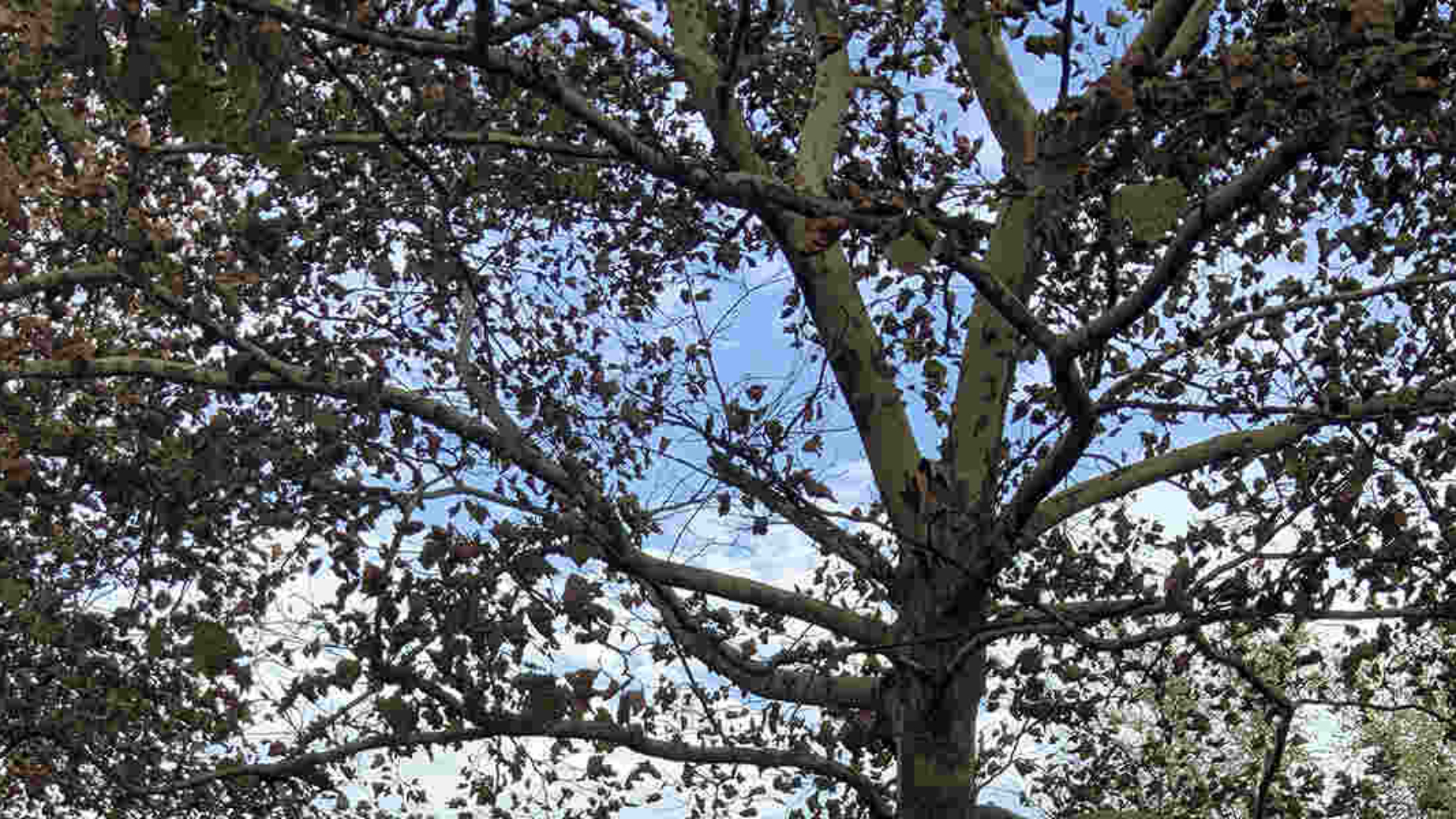
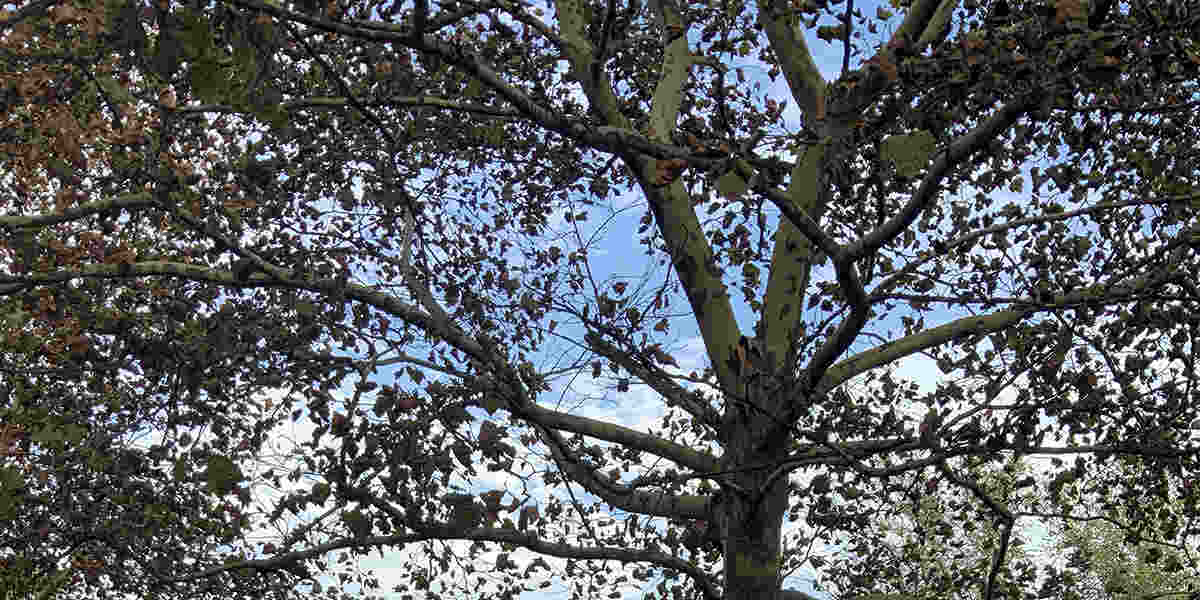
A tree health evaluation includes a thorough tree assessment that helps homeowners identify and resolve problems before they become more significant. A professional arborist examines the tree to uncover structural issues, pests, diseases, and other problems that could harm the tree. They also ensure the tree is structurally sound and doesn’t pose a safety concern that could jeopardize your property or family’s well-being.

Your Tree Health Evaluation Checklist

A high-quality tree health evaluation includes various tasks to guarantee a safe, healthy, and attractive tree. Always ensure an arborist performs the following during their tree assessment:

Root Analysis

Trees must have healthy roots. They transport nutrients and water from the soil into the tree’s leaves, limbs, and trunk, allowing the trees to grow strong and healthy.

During a tree examination, the arborist will examine the tree’s roots to identify illnesses and stability issues, including problems like constricting tree roots, which can impede the tree’s growth and health.

Uncover Pests and Diseases

In addition to identifying pest infestations and diseases, experienced arborists often perform tree surgery to address these issues effectively. By examining the tree’s structure and leaves, they can swiftly eradicate pests and tree ailments, preserving the tree’s well-being. They conduct a diagnostic analysis and take preventive measures to stop future infestations.

Professional tree examinations make up one of the best pest and disease management services since they can uncover problems early and prevent them later on.

Environmental Monitoring

Sometimes, tumultuous weather can negatively affect the environment, causing shifting soil, flooding, and more. During tree assessments, an arborist will examine the tree’s surroundings and ensure the environment doesn’t create safety concerns. If they believe the tree or environment poses a safety threat, they will help you improve the area or remove the tree before it becomes a serious risk.

Tree Damage

Trunk and limb damage can drastically reduce a tree’s structural integrity and increase the chances of it falling over or dying prematurely. A tree specialist will assess tree damage and help the tree recover. 

Contact Brooke Tree Service for First-Class Tree Health Evaluations in Holliston, Massachusetts

If you need a professional tree health evaluation in Holliston, Massachusetts, contact Brooke Tree Service. Specializing in urban forestry, we excel in protecting trees, ensuring they not only look their best but also maintain superior health. Whether you need a thorough tree evaluation or want to know what causes a burl in a tree, our arborists can help.

Give us a call at (508) 613-5044 and see what our team can do for your Holliston, Massachusetts, property today!

[/et_pb_text][/et_pb_column][/et_pb_row][/et_pb_section]
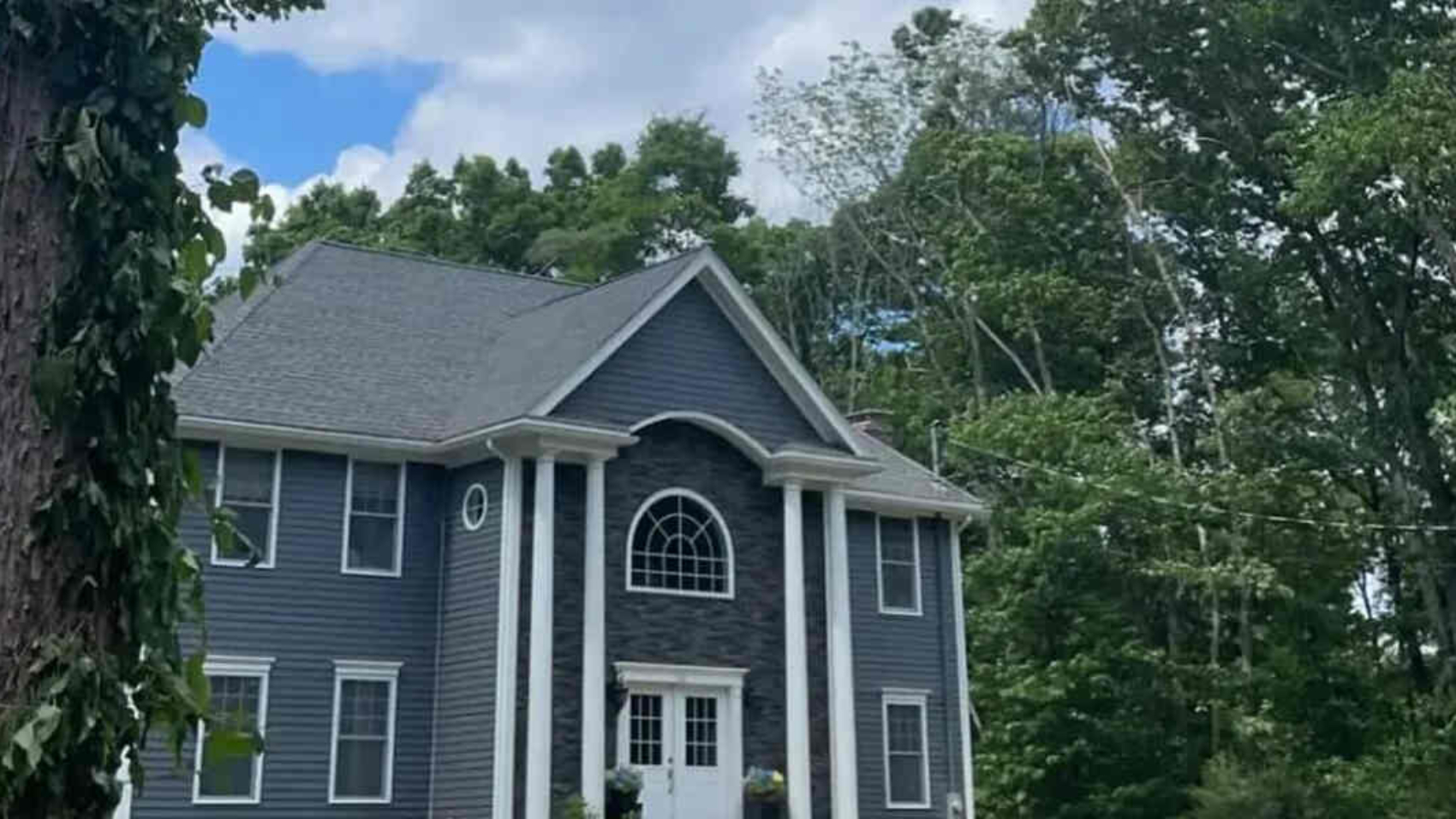
subsidence caused by trees

Understanding the Subsidence Caused by Trees

Few features elevate an exterior property’s appearance more than large breathtaking trees. However, sometimes trees can cause subsidence that can damage your home or business and weaken its structural integrity. Unfortunately, many Natick property owners don’t understand subsidence caused by trees or how to resolve it once it occurs. 

That’s why Brooke Tree Service developed a guide explaining everything you need to know about subsidence caused by trees.

Brooke Tree Service is Natick, Massachusetts’ number one choice for professional tree care and arborist services. If you need experienced tree removal experts in Natick, MA, who can handle even the most complex projects without issue, contact Brooke Tree Service.

subsidence caused by trees

What Is Subsidence?

Subsidence describes unbalanced foundations due to natural occurrences. It occurs when the ground shifts underneath your property, displacing it from its original location. This often creates extensive damage that significantly depletes your home’s structural integrity, life expectancy, and more. 

Cracks along your property’s foundation are a telltale sign of subsidence. These cracks are typically around three millimeters thick and appear wider at the top and become slimmer towards the bottom. They can develop along the interior and exterior and usually occur around doors and windows.

Other signs of subsidence include:

  • Creased wallpaper just before it meets the ceiling 
  • Cracks between an extension and the home
  • Warped window and door frames, causing them to stick

Can Trees Cause Subsidence?

Large trees too close to residential or commercial properties often cause subsidence due to their thriving root systems, especially in urban areas. Their roots can grow underneath a home or business, slowly shifting the soil until subsidence occurs.

What Increases the Chances of Subsidence in Natick? 

The soil type, tree variety, and age of the home often determine the chances of subsidence and its severity. 

Soil

Clay soil increases the likelihood of subsidence caused by trees. When tree roots absorb moisture within clay soil, the soil shrinks and shifts. This generates subsidence, especially when a drought follows heavy rain.

The Property’s Age

Homes built before 1950 are extremely vulnerable to subsidence since they have shallower foundations. Fortunately, most modern homes won’t experience subsidence due to their deep foundations.

Tree Variety

Large trees with extensive root systems are more likely to cause subsidence than smaller trees. Below are some common tree varieties that cause subsidence:

  • Oak Trees
  • Willow Trees
  • Poplar Trees
  • Ash Trees

Keep in mind that these are the tree species most likely to cause subsidence. Any tree can create subsidence if they have large enough root systems.

Contact Brooke Tree Service for Exceptional Tree Care in Natick, Massachusetts

If your Natick, Massachusetts property experiences subsidence caused by trees, contact Brooke Tree Service. Our tree removal specialists will eradicate the tree without delay and prevent further property damage. Whether you need help removing tree roots or want professional pruning services, Brooke Tree Service has you covered.

Give Brooke Tree Service a call at (508) 613-5044 and see what our team can do for your Natick, Massachusetts, property today!

most common tree diseases

Most Common Tree Diseases: Symptoms, Causes, and Treatments

Trees can contract various diseases that adversely affect their appearance, lifespan, and overall well-being. However, many Holliston residents don’t know about these diseases or how to identify and treat them once they take hold. That’s why Brooke Tree Service is here to explain the most common tree diseases, their causes, and effective treatments for each condition.

Brooke Tree Service is Holliston, Massachusetts’s number one choice for professional tree care and associated services. For experienced tree specialists in Holliston, MA, contact Brooke Tree Service today.

Three Common Tree Diseases

Tree diseases come in many forms and can have disastrous effects on their health, durability, and more. However, once you know how to identify early disease symptoms, you can nurse your tree back to health and protect others before the ailment spreads. Consider conducting a tree health evaluation to assess the overall well-being of your trees and address any potential issues proactively. Below are some of the most common tree diseases in the United States: 

1. Annosus Root Rot

Annosus root rot is an exceedingly common coniferous disease that flourishes from December to March. Although slash and loblolly pines are the most vulnerable to annosus root rot, they can affect all southern pine tree species. The disease causes extensive damage and generates numerous conks around the tree’s base.

Since annosus root rot enters trees through wounds, especially in cuts around the stump, pruning your trees at the right time (usually early spring and late winter) can diminish infections. If you already have an infected tree, stump treatment will improve the tree’s health and potentially eradicate the disease.

2. Laurel Wilt Disease

Laurel wilt disease is a fatal ailment found in laurel tree species. It forms when the redbay ambrosia beetle transmits a fungus called Raffaelea lauricola to a tree, causing blockages within the tree’s water-conducting cells. 

Infected trees feature wilted and discolored foliage that often falls off over time. Like heart rot, laurel wilt disease isn’t curable and will eventually kill the tree. However, since the disease spreads through the redbay ambrosia beetle, effective pest control can prevent infection.

3. Heart Rot

Heart rot is an exceedingly common disease that kills around 75% of merchantable hardwood timber in southern regions. Fungal infections, including those like black fungus, typically cause the disease. Knowing how to get rid of black fungus and similar pathogens is crucial in managing heart rot, which results in immense rot and decay.

Unfortunately, Heart rot isn’t curable. It’s best to remove the tree before the disease becomes more significant.

Contact Brooke Tree Service for Outstanding Tree Care in Holliston, Massachusetts 

Brooke Tree Service is Holliston, Massachusetts’s premier professional tree care company. We have vast experience treating the most common tree diseases and will help you keep your personal forest’s health in pristine condition year-round. Whether you want to learn more common diseases or why your tree is dying, Brooke Tree Service is here for you.

Give Brooke Tree Service a call at (508) 613-5044 or reach out to us online via our Contact Us page and see what our tree specialists can do for you in Holliston, Massachusetts, today!

remove tree roots

The Right Way To Remove Tree Roots

[et_pb_section fb_built=”1″ admin_label=”section” _builder_version=”4.16″ da_disable_devices=”off|off|off” global_colors_info=”{}” da_is_popup=”off” da_exit_intent=”off” da_has_close=”on” da_alt_close=”off” da_dark_close=”off” da_not_modal=”on” da_is_singular=”off” da_with_loader=”off” da_has_shadow=”on”][et_pb_row admin_label=”row” _builder_version=”4.16″ background_size=”initial” background_position=”top_left” background_repeat=”repeat” global_colors_info=”{}”][et_pb_column type=”4_4″ _builder_version=”4.16″ custom_padding=”|||” global_colors_info=”{}” custom_padding__hover=”|||”][et_pb_text admin_label=”Text” _builder_version=”4.27.4″ background_size=”initial” background_position=”top_left” background_repeat=”repeat” global_colors_info=”{}”]

Learning how to remove tree roots properly is a useful skill. By using the correct techniques, you can control an unruly root system without killing the tree. In this post, Brooke Tree Service, your reliable tree removal company in Natick, MA, explains how to complete this task correctly. 

remove tree roots

When Do You Need To Remove Tree Roots? 

A tree with healthy bark, branches, and roots thrives. However, sometimes these components can grow out of hand. When branches grow too close to structures or tangle up in one another, pruning is the ideal way to solve the issue. 

You can also prune a tree root, but you need to be a little more careful about how far you take the process. If you remove tree roots without careful planning, you can destabilize or kill your tree. 

The roots can account for more than half of the overall tree structure, making trimming them a complex task. You should do this as a last resort. If you have to remove large roots, it’s better to call in a tree service. 

When Is the Best Time To Remove Roots?

Where possible, remove the roots in the dormant season and in colder weather. It’s better to work when there are fewer pathogens and fungal spores in the air. However, you’ll need to complete the task before the ground freezes, so fall is usually the best time. 

How To Remove Tree Roots

You need nice sharp, clean tools to cut the roots, like: 

  • A grubbing hoe
  • Branch loppers
  • A root saw
  • A reciprocating saw 

You’ll also need safety equipment like protective boots, glasses, and gloves. Then, follow these steps. 

1. Mark Where the Utilities Are

You can usually call a utility marking service to do this for free. If not, check the property plans and see where the sewer, electrical, and water lines are. 

2. Trace the Root

Follow the offending root back toward the tree to mark the cutting point. This should be as far away from the trunk as possible to achieve your goal. 

3. Expose the Root

Carefully remove the soil around the root from the cutting point outward. Clear the area on either side of this point so you can reach the root. Prop it up slightly to make it easier to cut. 

4. Cut the Root

Slice through the root cleanly, leaving a smooth edge, and then dig up the dismembered section. Discard it and fill the hole. 

5. Help Your Tree Recover

Make sure your tree has enough water in the coming weeks. You can also mulch the area to protect the roots, but lay off fertilizers for now as they may burn the wounded tissue. Try to avoid disturbing the soil for the next few weeks. 

Contact Us for Help Removing Tree Roots

Do you need assistance with tree care, such as pruning or removing tree roots, or do you require a related service like obtaining a permit for tree removal? Brooke Tree Service is your go-to team for keeping your trees healthy. Call us today at (508) 613-5044!

[/et_pb_text][/et_pb_column][/et_pb_row][/et_pb_section]
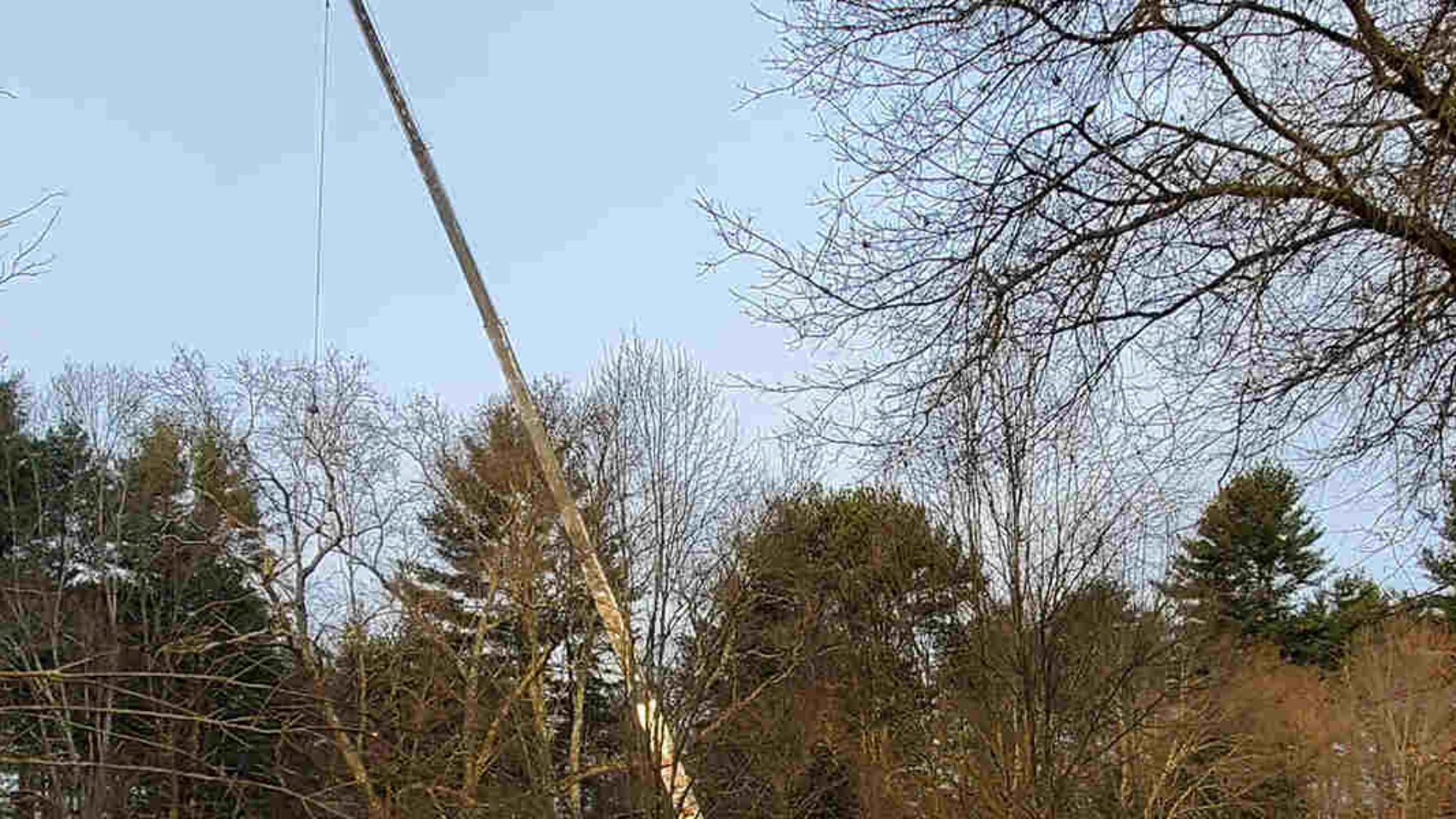
how much wind can a tree withstand

How Much Wind Can a Tree Withstand?

Trees are resilient and can stand up to significant abuse from the elements. However, this doesn’t mean they aren’t indestructible–any tree can break in the wind if it’s strong enough. The question is, how much wind can a tree withstand?

Read on for a deeper look into a tree’s wind resistance capabilities, as advised by Dover’s trusted tree service company.

how much wind can a tree withstand


What Does Science Say About Tree Wind Resistance?

Since the cyclone that swept across the southwest of France in 2009, scientists have pointed out that trees of different diameters, heights, and electric properties can break at the same time. These studies infer that it’s the high wind speed that causes a tree to break, not the tree’s characteristics or size. 

For many years, scientists believed that trees were prone to breaking at wind speeds of 94 mph. However, in 2016, Ecole Polytechnique and ESPCI ParisTech’s study confirmed that all trees break at wind speeds of just 90 mph.

Factors Affecting Tree’s Wind Resistance

How much wind can a tree withstand beyond this? Its longevity will depend on several factors that play a role in your tree’s structural integrity, such as:

Soil Structure

The soil upon which a tree grows determines how much wind it can withstand. For instance, your tree will have a higher wind resistance in dense, clay-based soil than in loose, sandy soil. 

Additionally, compacted soils provide fewer pockets for roots and water. A tree will have a hard time developing a deep, dense root system in such conditions. As such, it’ll be more likely to succumb to strong winds. 

Root System

The depth and density of your tree’s root system play an integral role in its wind resistance. If your tree has shallow roots, it’ll be less stable and more prone to uprooting. A denser root system will provide stronger support for a much higher wind resistance.  

The Tree’s Age and Health

The older a tree grows, the taller and less flexible it becomes. This makes it more prone to wind damage. A disease or pest infestation will also worsen the situation!

Three Main Ways a Tree Can Break Under Strong Winds

  • Uprooting. If your tree has decaying roots or grows in a water-logged ground, it’ll often uproot in intense wind storms, a phenomenon known as windthrow. 
  • Snapping. In the unlikely event that the roots remain intact at wind speeds above 94 mph, the tree’s trunk is likely to snap due to bending or torsion. This applies to all tree species, regardless of their size.
  • Breaking boughs. Strong winds may cause your tree’s main branches to break. 

Contact Your Local Tree Experts for Assistance

Just how much wind can a tree withstand? Learn more when you chat to our go-to local arborist at Brooke Tree Service. Whether you want to know how canopy density affects wind resistance or something less complicated, you can count on us for answers.

We provide a wide range of services, including:

  • Tree planting
  • Tree removal
  • Tree trimming & pruning

Contact Brooke Tree Service at (508) 613-5044 today for an estimate or to learn the significance of a professional tree removal service.

does cutting down trees increase property value

Does Cutting Down Trees Increase Property Value?

Does cutting down trees increase property value? The answer is that it usually depends on the tree species and how healthy it is. In this article, Brooke Tree Service, your tree removal experts in Millis, MA, explain more about this. 


Does Cutting Down Trees Increase Property Value?

If you have a beautiful old tree that’s not harming anyone, cutting it down might drop your property value. This changes if it’s a hazardous tree impacted by disease or pests. Then you should have a tree service remove it. 

So, it’s best to have a professional answer the question, “Does cutting down trees increase property value?” That said, certain signs can hint that it’d be better to remove trees for your property value.

A Bad Location

When trees grow too near your home or another structure, the roots can cause significant damage to the foundation. They might also be close enough to break windows or crash into the roof during a storm. Finally, trees that block a magnificent view or become a security hazard also harm your valuation. 

If you’re looking to increase your property value, you should think about the potential harm the tree might cause and if it’s a nuisance. 

Dying Trees

You’ll know you have this issue because dying trees:

  • Lose their leaves and branches
  • Have no green, moist tissue inside
  • May start to lift out of the ground, or lean significantly, raising concerns about how to cut a leaning tree safely.

There are many reasons for this phenomenon, but even if you learn why your trees are dying, you should probably remove them. A dead tree might blow over tomorrow or stand for decades. In a built-up area, this means that it could come crashing down at any time. 

It’s important to establish that the tree is dying. Deciduous trees look pretty bad in winter because they’re dormant. They will usually spring back to life in spring. You can test if they’re okay by scratching a branch or breaking a twig off the tree. If it’s green inside, your tree’s fine. 

Overgrown Trees

Trees that grow out of control or that are too big for the space they’re in can cause several problems. They might damage sewer lines and foundations, making it better to get rid of them. Furthermore, they might put out too much shade, making it impossible to create a beautiful garden. 

Which Trees Increase Property Values? 

You should keep a tree if its trunk is greater than 10 inches in diameter and if it expands in increments of about two inches. Trees like this will likely add value because of the shade they provide. Also, they will likely look healthy and vibrant, adding wonderful color. 

Contact Our Team for the Right Advice Today!

Would you like a definitive answer to, “Does cutting down trees increase property value?” Find out about this and other issues, like if you need a tree removal permit, by calling Brooke Tree Service at (508) 613-5044 today. We’ll evaluate your trees and give you the right answer. 

what causes a burl in a tree

What Causes a Burl in a Tree?

what causes a burl in a tree

What causes a burl in a tree? And, incidentally, what counts as a burl, a gall, or one of the many other growths you find in a tree?

Brooke Tree Service, Dover’s excellent tree service, explains more below.

What is a Burl?

Burl wood is a big business for furniture manufacturers trying to create unique or custom designs in their wood products. However, if you’re a tree grower, you may be more concerned about what these formations mean for your tree.

You can easily distinguish a burl from normal growth because it’s bumpy, swollen, or bulging on the tree trunk. It may be a small smooth bump or have a rough texture, and it may also encircle a branch. Also, if tree care services were to open up that slice of wood, you’d see lovely grain patterns that woodworkers would love to get their hands on.

What is a Gall? 

A gall is something quite different from a burl. They’re smaller and appear on the branches and leaves but aren’t part of the tree. Usually, insects cause these abnormal growths.

What is a Burr Knot? 

Unlike burls, burr knots form from a mass of roots and damage the infrastructure. They hinder growth and invite disease and bugs to the trunk, especially in apple trees. If you see any type of growth in your tree and you’re unsure whether or not it represents a non-harmful tree condition, it’s best to call in professionals like Brooke Tree Service. 

What Causes These Growths in Trees? 

So, what causes a burl in a tree? Arborists aren’t sure. What we do know is that it happens when tree buds grow abnormally. 

For example, instead of growing a branch, the cells divide and form a round shape. It will grow burls in concentric rings instead of growing outward to form a new branch. Some experts believe it may be due to stress in the tree, and if so, burls are a potentially beautiful side-effect. 

Trees face stress for the following reasons: 

  • Disease
  • Fire damage
  • Pest damage
  • Windburn
  • Scalding
  • Mechanical wounds
  • Drought
  • Other environmental factors

Are Burls Dangerous for the Tree? 

While nobody knows for sure, arborists are relatively certain that anything that distresses the tree may play a role in forming burls. But no, burls don’t endanger the tree. They’re simply one of nature’s beautiful mistakes. 

If your tree has one, smile. However, if you’re concerned, you can always call a team like Brooke’s Tree Service to take a look.

What to Do About Burls

The best course of action for burls is to leave them alone. Removing it will leave a large open wound and put your tree at risk of disease or pest infestations. Plus, if it does manage to heal properly, it will leave an ugly scar.

Contact Us for Professional Advice!

No matter what causes a burl in a tree, a tree arborist can assist you with your questions and concerns. Do you need to nurse a tree back to health or find advice on proper planting? Call Brooke Tree Service at (508) 613-5044 today to schedule service in Dover, Massachusetts.

top half of tree has no leaves

Help! The Top Half of My Tree Has No Leaves

[et_pb_section fb_built=”1″ admin_label=”section” _builder_version=”4.16″ global_colors_info=”{}” theme_builder_area=”post_content” da_is_popup=”off” da_exit_intent=”off” da_has_close=”on” da_alt_close=”off” da_dark_close=”off” da_not_modal=”on” da_is_singular=”off” da_with_loader=”off” da_has_shadow=”on” da_disable_devices=”off|off|off”][et_pb_row admin_label=”row” _builder_version=”4.16″ background_size=”initial” background_position=”top_left” background_repeat=”repeat” global_colors_info=”{}” theme_builder_area=”post_content”][et_pb_column type=”4_4″ _builder_version=”4.16″ custom_padding=”|||” global_colors_info=”{}” custom_padding__hover=”|||” theme_builder_area=”post_content”][et_pb_text admin_label=”Text” _builder_version=”4.16″ background_size=”initial” background_position=”top_left” background_repeat=”repeat” global_colors_info=”{}” theme_builder_area=”post_content”]

top half of tree has no leaves

Leaves are a big part of the beauty and glamor your tree displays. When the top half of a tree has no leaves, the situation heavily impacts its appearance. However, it may not be time to call a tree removal company in Millis, MA, just yet.

In this post, we look at why your tree might be shedding leaves and what you can do to resolve it.

Is There An Issue If The Top Half of A Tree Has No Leaves?

Certain tree species shed their leaves during the normal course of the seasons. However, even deciduous trees only do so around fall. In summer, there should be healthy green leaves adorning your tree’s crown, so if this is not the case, your tree might have a problem.

The scenario can also point to a more serious underlying issue. And some tree owners are quick to call for removal. However, there are several measures you can try before going with this option.

Valid Reasons the Top Half of A Tree Has No Leaves

Here are some of the possible reasons the top half of your tree has lost its leaves:

Drought

A drought is a common reason for leafless branches. If your soil doesn’t have enough moisture, your tree won’t have what it needs to grow healthy, green leaves. An underwatered tree, especially noticeable in its topmost branches due to the distance from its roots, will shed leaves prematurely.

The longer your tree goes without water, the more leaves it will lose.

Pest Infestations

Most pests feed on your tree’s bark, though some will move to the upper parts of the tree. The emerald ash borer and bronze birch borers are examples of such pests.

Girdling Roots

Girdling describes what happens when roots wrap around each other. This action chokes the roots, effectively blocking them from transporting water and nutrients to the top of your tree.

Verticillium Wilt

Verticillium wilt is a fungal disease that can cause defoliation. In most cases, the tree leaf drop will occur on one side or at the very top of the tree.

How to Handle A Tree With No Leaves at the Top 

A complete lack of leaves is usually a sign that your tree might be dying. However, not all hope is lost, and how you deal with it shedding its leaves will depend on the cause. 

For instance, if pests are the reason your tree’s top half has no leaves, applying pesticides can help. If there’s a drought, you can address the issue by deep-watering your tree more regularly and giving it a fertilizer boost.

The good news is that you don’t have to handle the tree’s recovery on your own—a trusted local team of tree care professionals can help.

Call A Professional Tree Service in Millis, MA

When the top half of a tree has no leaves, it might look like the tree is dying. However, quick action may boost your tree’s health.

Why not call Brooke Tree Service at (508) 613-5044 for the solutions your tree needs to return to full health? We’d love to help.

[/et_pb_text][/et_pb_column][/et_pb_row][/et_pb_section]
how far apart to space fruit trees

How Far Apart to Space Fruit Trees?

People often wonder how far apart to space fruit trees. It’s understandable because looking after your trees starts with placing them perfectly. In this post, Brooke Tree Service, your reliable tree service in Dover, MA, answers this question in more detail. 

how far apart to space fruit trees

First, Decide on Your Goals

The good news is that you have a lot of wiggle room, even in a smaller yard. You can opt for dwarf and semi-dwarf species or high-density spacing to save space. You can also go beyond tree size and create espaliers or hedges so that the tree performs two functions. 

For example, you could use a fruit tree hedge for privacy along your property’s perimeter. Naturally, doing this means sacrificing some production, but clarifying your goals makes it easier to manage your expectations. 

High-Density Tree Spacing

With the right pruning techniques and species, like dwarf apple trees, for example, you can save space with these techniques:

  • The Cordon Espalier Technique is where you have a single column for a tree and short branches. You can space your trees between 18 and 24 inches apart.
  • The Horizontal Espalier Technique is where you train your tree to grow along a trellis, as a vine does. Instead of the canopy bushing out, it grows flat. This makes clever use of vertical spaces, allowing you to plant the trees four to five feet apart, with them requiring very little depth. It’s also a very attractive and artistic technique. 
  • You can use a technique known as single-hole planting to put between two and four trees in the same space. You will need to prune the trees carefully, but the competition for resources will make them smaller than normal. This is best with avocados and citrus trees. 
  • Hedging is a common technique we use with citrus trees. You can plant the trees about three feet apart to make a nice hedge. The upside is that trimming is much easier, although you will need to prune more often than normal to maintain a neat shape. 

Standard Spacing

Here’s how far apart to space fruit trees if you have plenty of room. Research the tree’s maximum height and space the trees at least this far apart. You can add an extra three to five feet for pathways. 

So, if you plant a cherry tree that grows 20-30 feet, space it 23 or 25 to 33 or 35 feet from the next in line. 

This method takes up the most surface area but is also the safest way to be sure that your trees have enough room. They’re also helpful guidelines if you want to plant a tree near your home, a pathway, or another structure. 

If you’re in doubt, you can always call in an arborist for advice. 

Contact Brooke Tree Service

Now that you have an idea of how far apart to space fruit trees, do you need more tree planting advice? For professional advice and the best service, call Brooke Tree Service at (508) 613-5044

what trees should not be planted close to a house

What Trees Should Not Be Planted Close to a House?

Planting trees close to your house brings many benefits. They’ll make your home look more attractive and boost its overall value. Some trees are good at providing shade during hot weather and others act as windbreaks. 

However, certain tree species can prove dangerous near your house. Some will damage your foundation. The branches may also run against your walls or roof, causing damage. 

So, what trees should not be planted close to a house? Here are five tree species you should avoid, as advised by tree removal experts in Millis, MA:  

what trees should not be planted close to a house

Oak Trees

Oak trees are the most notorious when it comes to foundation damage. They’re responsible for over 10% of foundation damage resulting from tree roots. 

These trees have large shallow roots that grow laterally. The strong, fast-growing roots absorb copious amounts of water, which can lead to serious land subsidence. 

Silver Maple Trees

Ask any experienced arborist about what trees should be planted close to a house. They would hardly forget to mention silver maple trees. This fast-growing tree species is quite unforgiving to buildings. 

It can grow up to 70 feet tall and up to two feet wide. Silver maples are beautiful to have in your yard. Sadly, their roots can grow above ground if you give them adequate space. You certainly wouldn’t want such an unsightly look on your property. 

Ash Trees

When choosing trees to plant near your house, you should avoid ash trees. Their roots absorb a lot of moisture, which can cause severe subsidence

Some ash trees can reach up to 30 feet tall, with roots spreading as much as 30 feet wide. Such roots can find their way under your foundation and force it upward. The resulting structural heaving can cost you thousands of dollars to fix. 

American Elm Trees

Many homeowners have suffered costly sidewalk and driveway damage thanks to the American Elm’s shallow roots. You certainly don’t want to be the next victim. So, avoid planting these trees near your home, particularly if you have a small yard. 

Poplar Trees

Poplar trees are also not friendly to buildings. They have shallow root systems that develop quite rapidly. 

These roots can be so aggressive that they cause cracks in your foundations and sewer pipes. Fixing such damage will set you back thousands of dollars. 

Contact Your Local Tree Experts for Assistance

Need more information about what trees should not be planted close to a house? The experts at Brooke Tree Service can help. We’re your go-to local arborist for reliable tree services that won’t hurt your wallet. 

We offer a vast range of services in Millis, MA, and the surrounding areas, including:

  • Tree Trimming & Tree Pruning
  • Tree Removal
  • Tree Planting

Our skilled crew has the experience and tools necessary to handle all your tree care needs efficiently while prioritizing the safety of your property and loved ones. Give us a call at (508) 613-5044 to request your free estimate or learn more about when to hire tree service.