
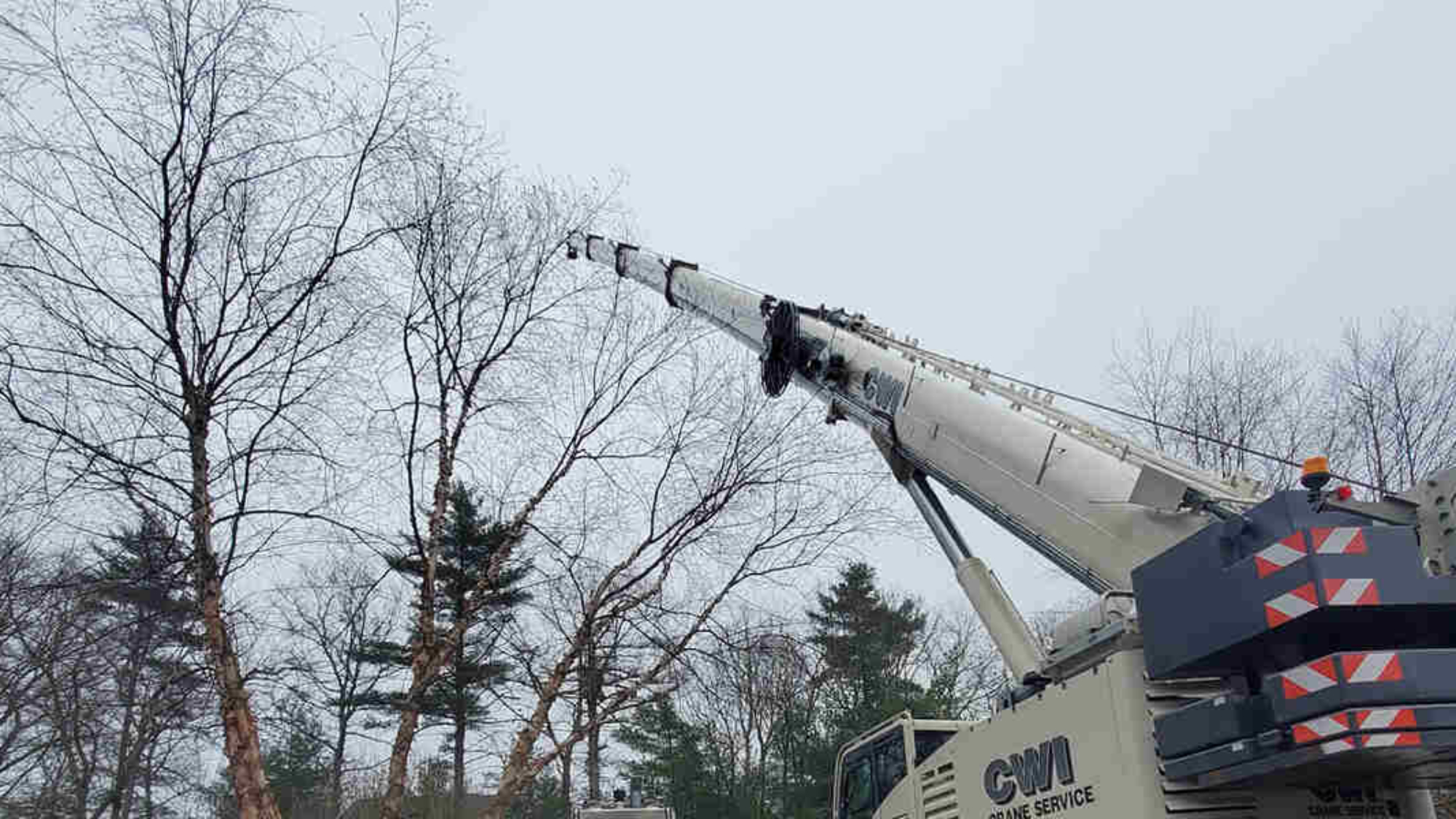
Removing tree branches from healthy trees might be important for keeping them in the best possible condition. Overgrown trees and dead branches are detrimental to the tree’s health. Unbalanced or stressed trees also become safety hazards.
That’s why top-notch tree specialists in Medfield, like Brooke Tree Service, use different types of tree pruning to achieve maximum tree health and beauty. Some techniques, like pollarding, only rarely apply, but others, like deadwooding and crown thinning, come standard.
Here’s more about each type of tree pruning Brooke Tree Service might recommend.
Crown Thinning
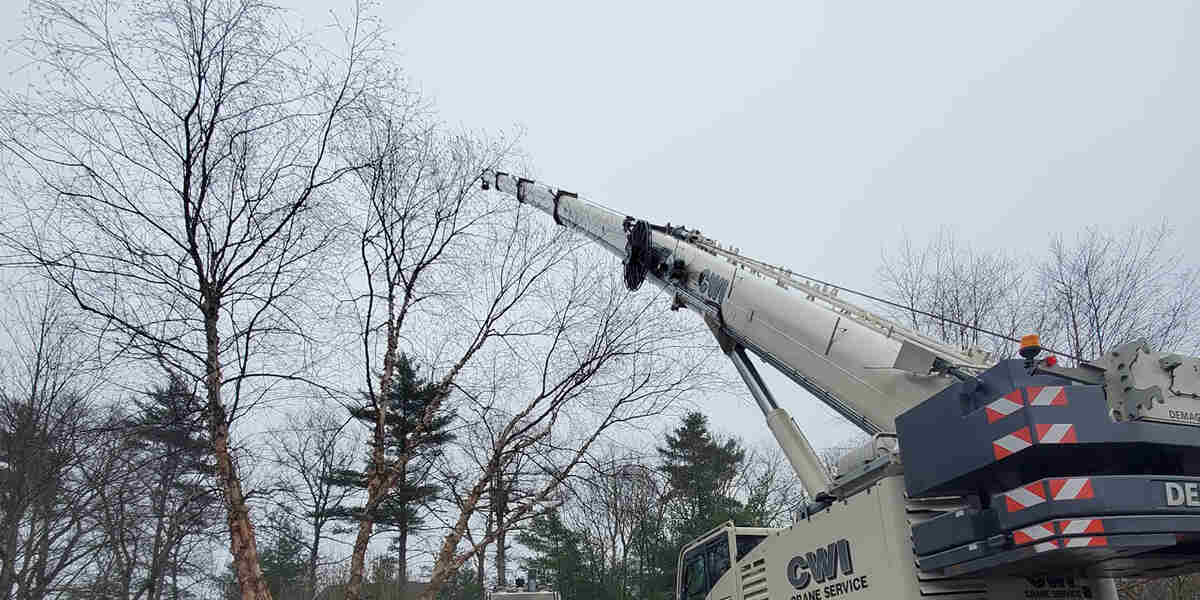
Crown thinning is the most common method of pruning trees. To thin out the tree’s canopy, arborists strategically remove limbs from the uppermost part of the tree. Usually, they’ll focus on the smallest and weakest branches.
The result of crown thinning is more sunlight, oxygen, and water reaching the lower limbs and soil. Removing these limbs also prevents broken and fallen branches during winter storms. If the smaller limbs can’t bear the weight of snow and ice, they may fall onto people, power lines, and property to cause damage.
Deadwooding
Dead or broken branches are not only unsightly, but they can also harm the overall health of your tree. Unless you remove a dead limb, it may spread its decay into the rest of the tree and kill it.
The technique of deadwooding eliminates these dead or dying branches to improve your tree’s appearance and overall well-being. Some arborists refer to crown thinning and deadwooding as crown cleaning.
Crown Reduction
Is the tree too tall for its space on your property? Crown reduction may keep it from becoming top-heavy by removing some of the smaller branches at the crown.
Unlike other different types of tree pruning, arborists reserve this approach for young trees that are still growing. The experts want to ensure your tree is strong when it hits its mature height. The extra weight from overgrown small branches could hinder that process without some help.
Crown Raising
Crown raising is the opposite of crown reduction – it removes some of the lower limbs of the tree that are weighing things down. It, too, is best for young trees and may harm older specimens.
Still, there are occasions when it may be necessary to prune a mature tree like this for safety reasons. For example, if:
- Lower branches interfere with power lines.
- The tree hangs over a road.
- The crown blocks signs, buildings, or the line of sight for drivers and pedestrians.
Pollarding
Lastly, some trees benefit from pollarding, which eliminates every small branch. The technique leaves nothing but a framework of large branches extending from the trunk.
The purpose here is to shape a young tree and encourage fast, lush growth. It’s extreme pruning and unsuitable for most trees.
Call the Tree Care Experts
The different types of tree pruning apply to different environments and even species, so you don’t want to get it wrong. Understanding the difference between tree trimming and tree pruning can help ensure your trees receive the appropriate care. Why not get in touch with Brooke Tree Service in Medfield, MA, at (508) 613-5044? Our extensive experience in pruning common tree types ensures the best outcome for your trees!
[/et_pb_text][/et_pb_column][/et_pb_row][/et_pb_section]
Add a Comment
You must be logged in to post a comment