how far down does stump grinding go

How Far Down Does Stump Grinding Go? Complete Guide

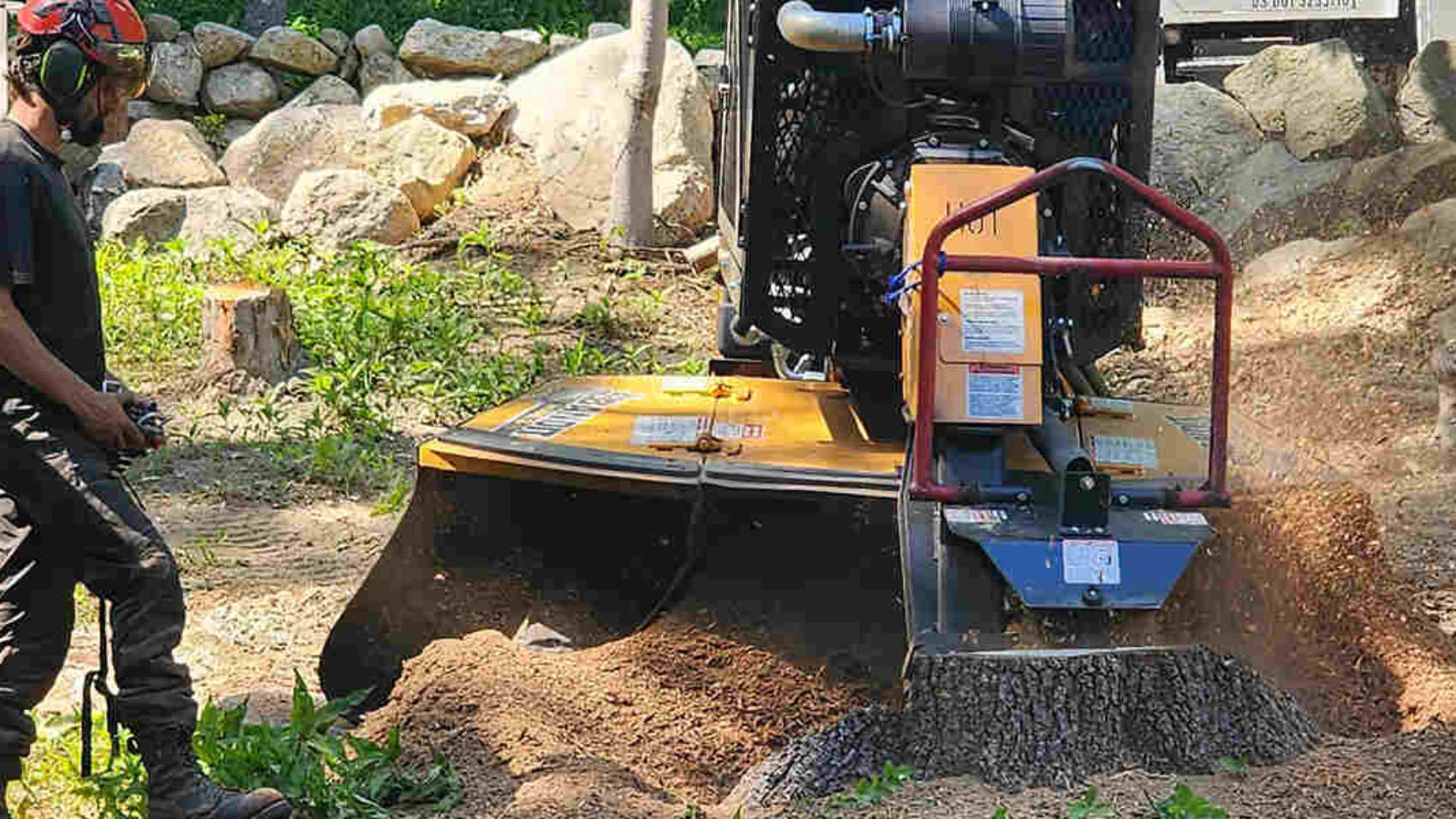
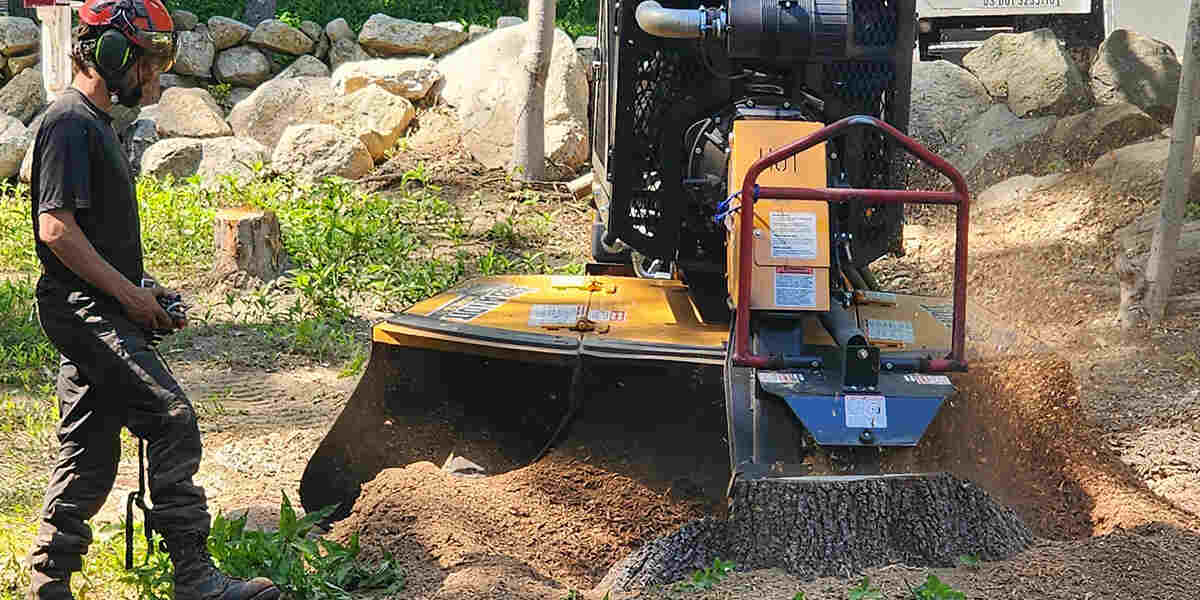
After cutting down a tree on your property, you might also need tree stump removal services. How far down does stump grinding go? The stump grinding depth usually reaches several inches below the ground, but it depends on the plans you have for the space. Professionals offering tree stump removal in Wellesley, MA, can give you an accurate estimate for the depth of the grinding work.
how far down does stump grinding go

Understanding How Stump Grinding Works

Stump grinding is the process of using tools to remove any remaining wood after cutting a tree. The grinding process also involves some of the roots just below the ground and directly under the trunk. 

You do not have to grind the roots elsewhere in the yard. Those roots will eventually rot away without the support of the tree and stump to create energy. However, the roots directly under the stump could generate sprouts.

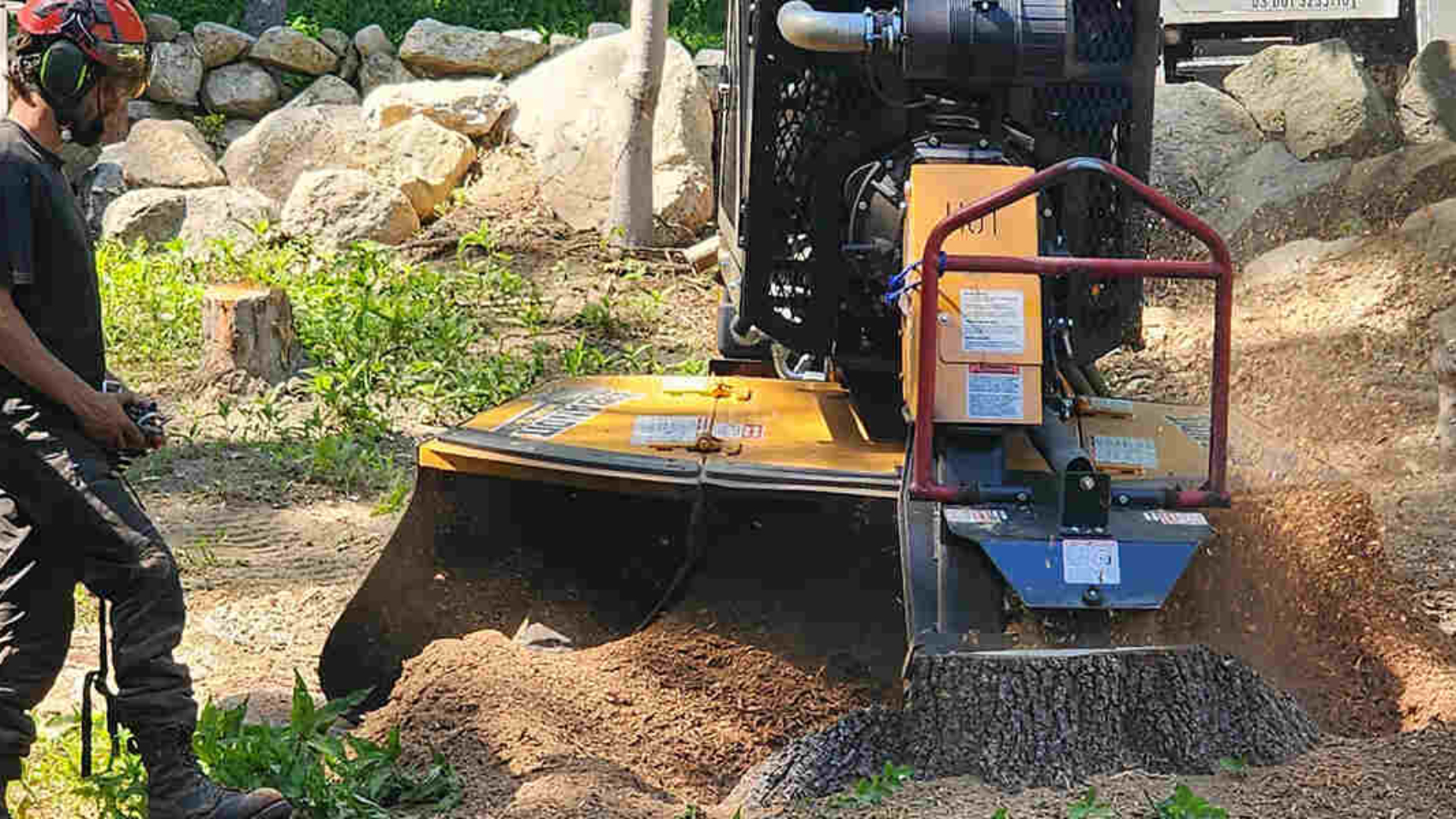
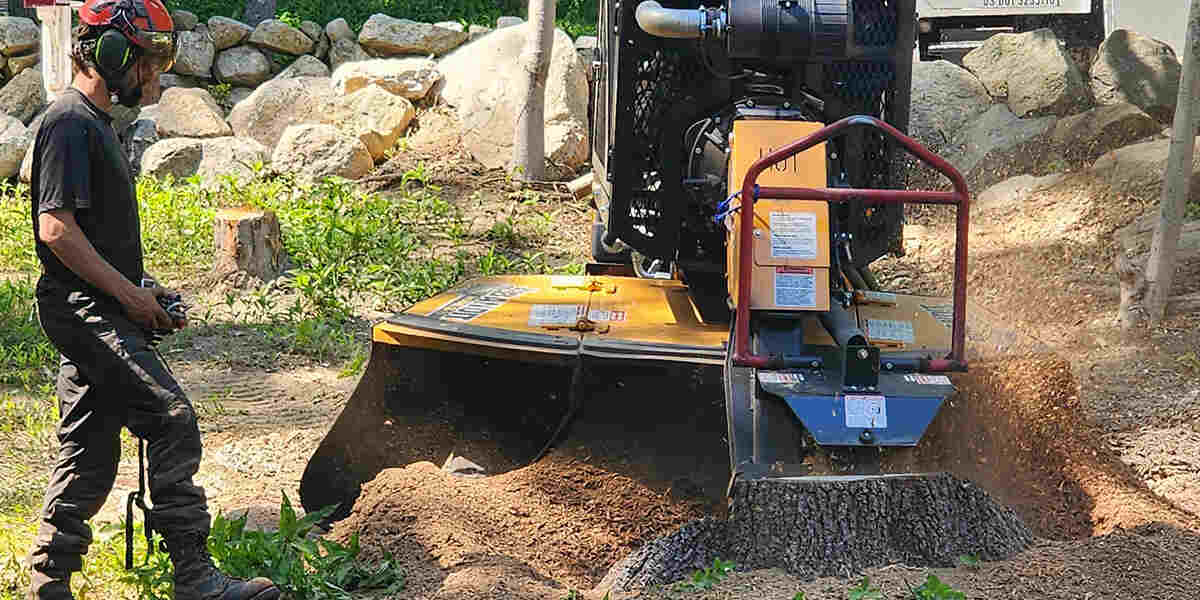
To grind the stump, professionals will use a stump grinding machine. The machine has a sharp blade or a rotating cutting wheel that steadily chips away at the wood. Working with a power machine makes the job go faster, but handheld devices are available to grind stumps. If the wood is hard and the dirt is firm, you might struggle to finish the work using a handheld device, though. 

Setting the Proper Depth for Stump Removal 

So, how far down does stump grinding go? At a minimum, you should grind 4 to 6 inches below ground. This depth should remove most of the wood and primary roots, allowing you to plant sod. You could leave the wood chips in place if desired. If you want to plant a flower bed or vegetable garden in the area, grind the stump between 6 and 12 inches in depth. 

When the plan is to replant a tree in the same space or install a fence with posts, you should remove the stump and roots to a depth of 12 inches. You should also remove the wood chips that the grinder creates.  

Why It’s Important To Grind Under the Stump

You should remove all the visible wood from the stump, as well as some of the material under the ground. Some of the wood in the stump will be below the ground, so you’ll want to grind all of it. Additionally, removing some of the primary roots under the stump prevents the tree from growing back. Without cutting out the primary roots, you might notice sprouts popping up where the stump used to be. 

Our Experts at Brooke Tree Service Can Remove Problematic Trees and Stumps

Don’t worry about the hassles of renting tree maintenance tools to try to grind stumps. Additionally, don’t ask yourself, “How far down does stump grinding go?” Instead, let the experts at Brooke Tree Service do the work for you. We have the equipment and skills for efficient and effective stump grinding. 

If you need help with a stump grinder guide or understanding the benefits of stump grinding, contact us today. We also offer any other tree-care services you need. For a free estimate, call us today at (508) 613-5044.
can pruning a tree kill it

Can Pruning a Tree Kill It in Walpole, MA?

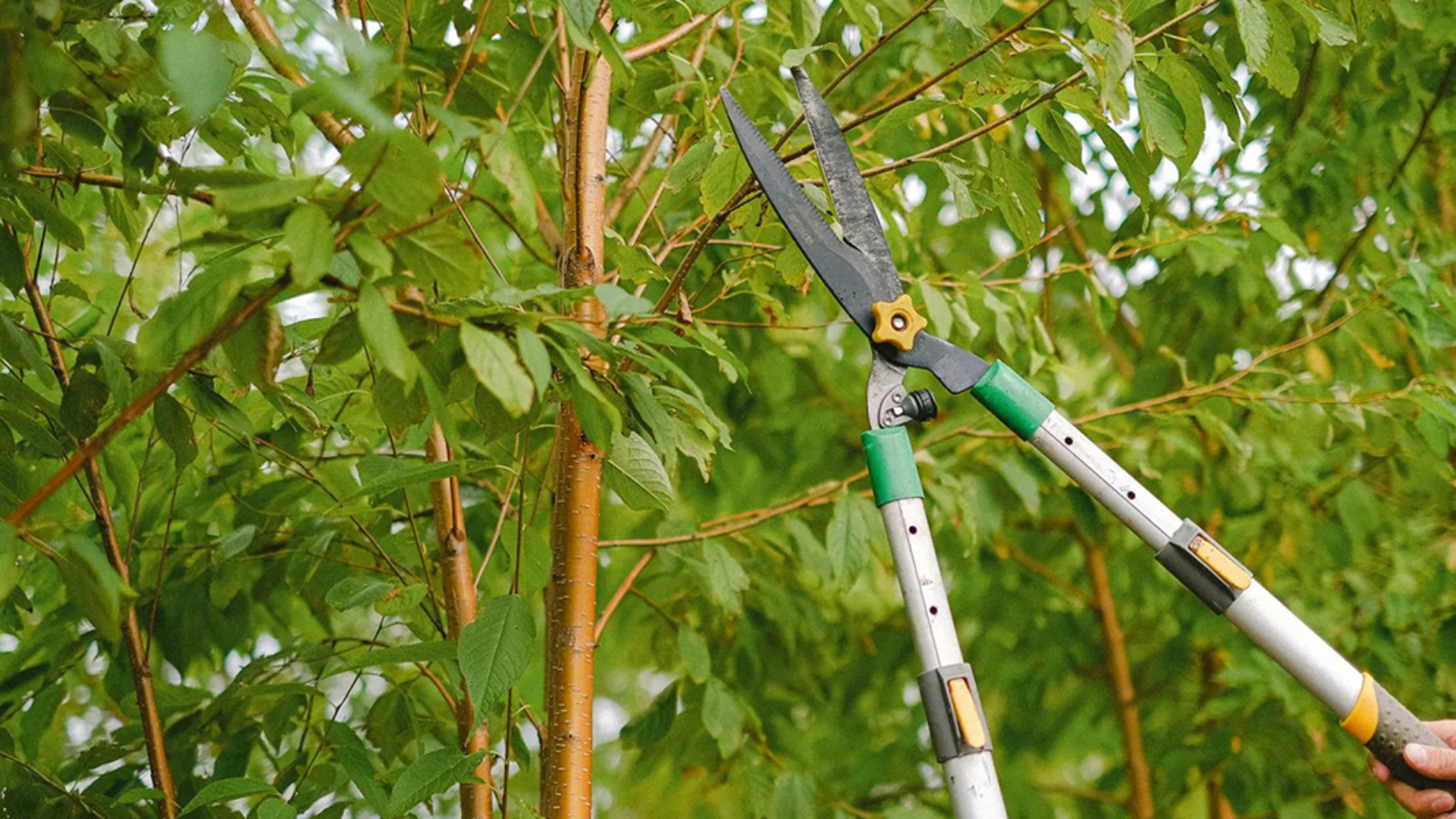
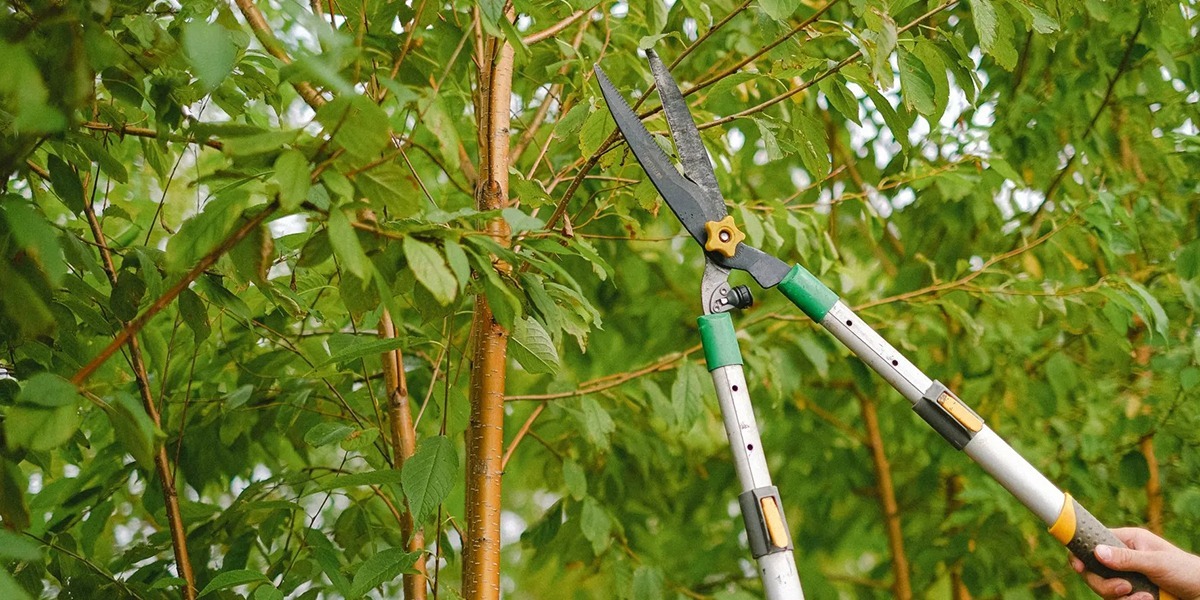
Caring for a healthy tree may occasionally require pruning it. But can pruning a tree kill it? This is one of the risks of pruning a tree too heavily, which is why relying on experts offering tree services in Walpole, MA, for any pruning tasks is the best option. 

can pruning a tree kill it

How Pruning Works and Why It’s Important

Pruning removes branches throughout the tree to guide its growth in a certain direction or to create a particular shape in the canopy. 

Why is pruning important? It can remove branches from sections of the tree where the leaves are too thick and affect healthy growth. Pruning helps air and sunlight reach more sections of the tree. Following proper pruning techniques keeps branches healthier and reduces the need to cut out dying branches as the tree ages.

Why Improper Pruning Could Kill a Tree

Tree death from improper pruning is a possibility. If a novice homeowner removes too much foliage from the tree at once, it may go into shock with damage from over-pruning. It might be unable to create energy through photosynthesis. Poor trimming techniques also increase the risk of pest or disease infestations.

If you prune too little of the tree, you probably won’t harm it. However, you may not receive the benefits you’re seeking, either. Under-pruning might leave its structure weakened, which could slowly place its health in jeopardy during the next few months and years.

Improper pruning techniques can involve several other errors, such as cutting branches and limbs at the wrong time of the year. Cutting too many branches in the upper or lower canopy can leave the tree lopsided, increasing the risk of falling in a windstorm. Problems with flush cuts can create hollow spots in the main limbs.

Different Tree Species Require Specific Pruning Techniques

It’s important to trim certain species of trees at the right time of the year. Oaks should not undergo trimming during warm months because they are especially susceptible to oak wilt disease. 

Birch trees create a lot of sap during pruning, which can draw insects to the areas of the cuts. You should avoid making these cuts at times when insects are more active. You can do minor pruning in spring and summer with birches.

The dangers of pruning at the wrong time of the year with fruit trees can affect health and fruit production. Trees that produce stone fruits need pruning in summer to reduce the risk of disease exposure. However, pear and apple trees usually perform better with spring or early summer pruning.

At Brooke Tree Service, We Offer Safe Tree Pruning Techniques You Can Trust

Don’t spend time worrying about causing damage from over-pruning and asking yourself, “Can pruning a tree kill it?” Instead, let the experts at Brooke Tree Service keep your trees safe with proven pruning services. We can explain the dangers of pruning at the wrong time and eliminate the risk of making DIY mistakes.

Deciding between tree trimming and pruning tools and techniques is unnecessary when Brooke Tree Service is working for you. Call us today for a free cost estimate at (508) 613-5044.

how to prepare new trees for winter​

5 Tips on How To Prepare New Trees for Winter

When a New England summer comes to an end and temperatures start to dip, the trees in your yard will begin preparing for winter just like you do. As you start pulling out your sweaters and boots from storage to face the cold, it’s a good time to give your trees some protection against winter’s chill. 

Here are some practical winter tree care tips from the experts in tree services in Needham, MA, on how to prepare new trees for winter so they come back better than ever in the spring.

how to prepare new trees for winter​

1. Give Them a Good Long Drink

Before the ground freezes, give your newly planted trees one last deep soak to help the roots store enough moisture to survive the cold. This is particularly important when it’s been a dry autumn.

A good rule of thumb? Give the tree a gallon of water for every inch of trunk diameter.

2. Spread Mulch To Protect the Roots

A fresh layer of mulch acts like a warm blanket for your trees. Spread two to four inches of mulch around the base, leaving a few inches of space between the mulch and the trunk to prevent rot. Not only does preparing trees for winter with mulch keep the soil warm and moist, but it also reduces the risk of damage from freeze-thaw cycles. As it breaks down, it releases nutrients into the soil that will help the young tree grow.

3. Wrap the Trunks

Tree services often recommend wrapping trunks for homeowners who ask how to prepare new trees for winter. Young trees, especially maples or birches, with thin bark, can suffer from sunscald or develop frost cracks during winter. Wrapping the trunk with a breathable fabric tree wrap or burlap helps shield it from harsh sunlight and temperature swings. 

4. Prune for Health and Structure

Late fall or early winter is the ideal time for winter pruning and maintenance. Removing dead or weak branches helps keep heavy snow or ice from breaking branches and damaging the tree. Pruning also improves air circulation and gives your trees a clean start for spring growth

5. Guard Against Pests and Animals

Cold weather can drive wildlife seeking food and shelter to your trees. Mesh guards or tree wraps can help deter rodents, deer, or rabbits from chewing on bark and branches. Many homeowners overlook this step for protecting trees in cold weather, but it makes a big difference in keeping young trees intact.

Are You Ready To Winterize Your Trees?

Winter doesn’t have to take a toll on your landscape. By following these steps and getting essential tree care services from an arborist, you can ensure your trees stay healthy every season.

If you’d rather leave the heavy lifting to the pros, Brooke Tree Service in Needham, MA, is here to help. Our team can provide a tree winter preparation guide, advice on how to prepare new trees for winter, and services from pruning and wrapping to inspections and maintenance.

Call Brooke Tree Service today to schedule your winter tree care appointment and keep your trees healthy, even in harsh New England weather. 

what is selective pruning​

Selective Pruning and Why It Matters in Hopkinton, MA

There’s nothing like having a strong maple, oak, or birch tree bless your yard with shade and color every season. But if you want those trees to remain healthy for decades, you need to help them through a process called selective pruning.

In this blog post, you’ll get answers to the question, “What is selective pruning?” learn the main methods professionals use, and why you need to call Brooke Tree Service for tree services in Hopkinton, MA.


what is selective pruning​


The Importance of Proper Pruning Techniques

The benefits of selective pruning for trees are significant, but when done incorrectly, it can turn into a death sentence.

Here’s what can go wrong when you make pruning mistakes:

  • Removing too many branches limits your tree’s ability to produce food through photosynthesis.
  • Cutting large limbs too close to the trunk exposes wood to pests and rot.
  • Leaving dead or rubbing branches in place causes weak spots that eventually break.
  • Dense canopies reduce airflow and light, which leads to trapped moisture and disease.
  • Over-trimming the crown throws off balance and makes trees more likely to fall in storms.

The next sections answer the question, “What is selective pruning?” and explain the techniques arborists employ while performing it.

What Is Selective Tree Pruning?

Selective tree pruning means removing specific branches to strengthen the overall structure, improve appearance, and support natural growth. The process focuses on precision instead of volume. Professional arborists use selective pruning to guide growth, reduce hazards, and preserve a tree’s natural shape.

Crown Thinning

Crown thinning removes smaller interior branches to improve airflow and light throughout the canopy. This keeps major limbs from carrying too much weight and helps the tree grow evenly. Thinning also lowers the risk of fungus and insect problems that start in dense, shaded areas.

Deadwood Removal

Deadwood removal clears out dying or broken limbs before they cause decay. When you remove dead branches, you stop rot from spreading to healthy parts of the tree. This process also prevents branches from falling during storms.

Structural Pruning

Structural pruning shapes young trees before weak angles or competing limbs develop. By correcting growth early, arborists create a framework that supports the tree’s long-term strength and balance. This approach reduces the need for heavy trimming later and supports ongoing tree health improvement through selective pruning.

Call Brooke Tree Service for Selective Pruning Services in Hopkinton, MA

Brooke Tree Service provides selective pruning services in Hopkinton, MA, using proper pruning techniques suited to every tree species. Their arborists understand how each cut affects growth and health, and they leverage that knowledge to protect your trees for the long haul.

If you still feel like you don’t have all the answers to the question, “What is selective pruning?” call Brooke Tree Service at 508-613-5044 to speak with one of our experienced arborists and schedule professional selective pruning services in Hopkinton, MA.

Make sure you also check out our trimming vs. pruning guide for more information on how each method affects growth, health, and appearance.

what is land clearing​

What Is Land Clearing, and Why Is It Important?

Land clearing prepares your property for farming, building, or landscaping by removing trees, stumps, brush, and rocks. Clearing creates open ground, improves soil, and makes your land safe to use.

In this blog post, you’ll learn what land clearing involves, the main benefits, and why hiring professionals is the best way to protect your property investment. If you need land cleared for any project, reach out to Brooke Tree Service for expert tree services in Sherborn, MA.

what is land clearing​

What Is Land Clearing?

Land clearing, simply explained, means cutting, pulling, or grinding vegetation and then hauling the debris away. The process includes:

  • Cutting trees and brush
  • Removing stumps and rocks
  • Grinding debris into mulch
  • Leveling and grading soil

Every step creates open space for building foundations, planting crops, or installing driveways. Clearing also improves visibility, so you understand the layout of your land before construction begins. Now that you know what land clearing is, let’s look at some more benefits. 

Land Clearing Purpose and Benefits

The advantages of land clearing go beyond making space. Each step shapes your property’s appearance and improves its function. Below are some of the most attractive benefits.

  • Crews remove hazards like stumps, fallen branches, and rotted trees to make your land safe.
  • Clearing eliminates weeds and brush that drain nutrients, which strengthens soil for farming or landscaping.
  • Open ground improves property value because buyers see a clean slate instead of obstacles.
  • Easier access allows you to build trails, driveways, and pads for construction equipment.
  • Cutting dense vegetation lowers fire risk by removing fuel before it can ignite.
  • Cleared land helps control pests by eliminating thick cover where rodents and insects hide.

The importance of clearing land shows in every result. Clear ground makes projects faster, safer, and more cost effective, while also protecting your home from hidden hazards.

Clearing Land Yourself vs. Hiring a Professional

Why land clearing is necessary becomes obvious when you try to start a project on overgrown ground. Building without clearing risks unstable foundations and poor soil.

  • Homeowners who try it alone handle light brush but stop when faced with roots and stumps.
  • Renting tractors, loaders, or grinders costs more than hiring skilled help.
  • Heavy equipment creates risks. Falling trees and shifting logs lead to injuries and property damage.
  • Professional crews finish faster, use the right machinery, and follow regulations.
  • Crews also handle disposal, which saves you the trouble of hauling debris and finding a legal place to dump it.

The reasons property owners need land clearing outweigh the idea of doing it yourself. Hiring experts prevents mistakes, lowers costs, and readies your land for the next step.

Call Brooke Tree Service for Land Clearing in Sherborn, MA

Professional land clearing gives you safe ground and a solid start for any project. Brooke Tree Service removes trees, stumps, and debris, then prepares the soil for new use. If you’re still asking yourself, “What is land clearing?” after reading, check out our other blog post on the benefits of land clearing to learn more. Call Brooke Tree Service at 508-613-5044 today to schedule land clearing in Sherborn, MA.

organic fertilizer vs synthetic fertilizer

A Guide to Choosing Between Organic Fertilizer and Synthetic Fertilizer

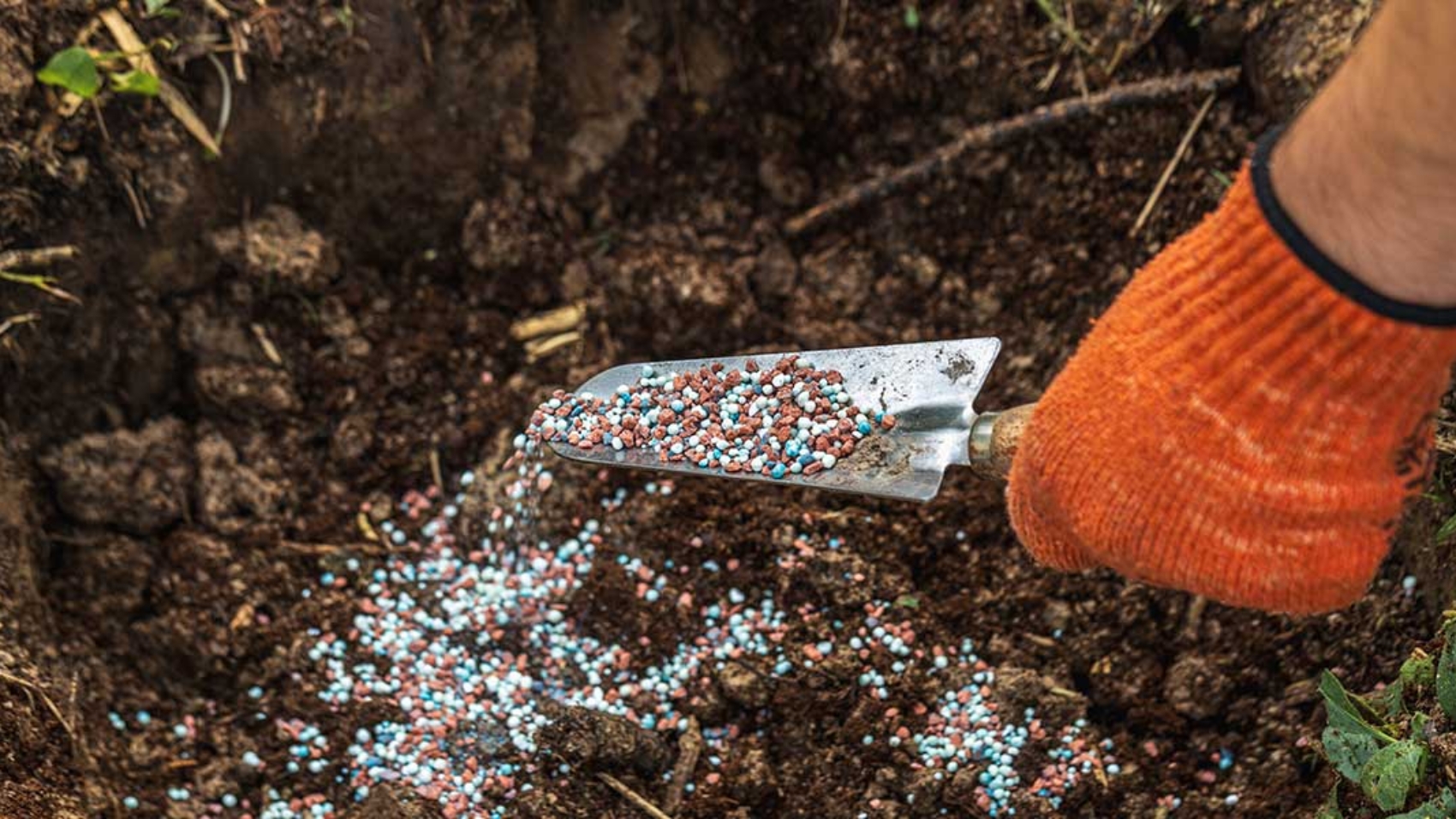
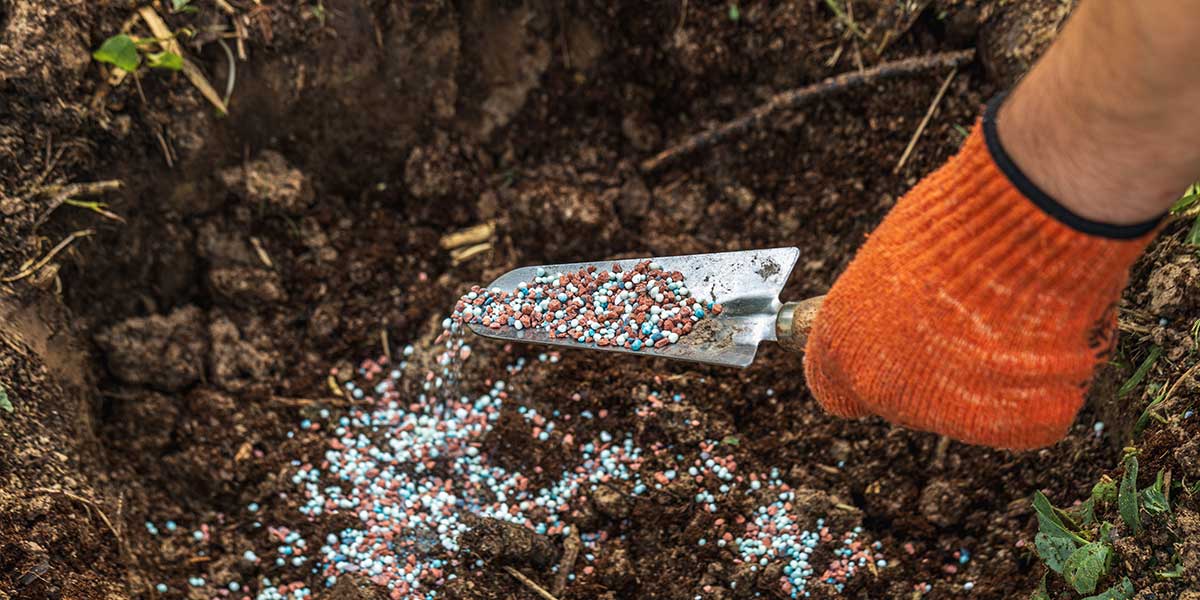
Although trees and shrubs pull most nutrients they need from the soil, they sometimes need a boost through fertilization. Choosing organic fertilizer vs. synthetic fertilizer can be difficult for homeowners. To help you weigh the pros and cons of each option, request an arborist consultation in Natick, MA.

In the meantime, learn more from this fertilizer effectiveness comparison.

organic fertilizer vs synthetic fertilizer

How the Types of Fertilizers Differ

In the most basic sense, fertilizer provides food for trees and plants. It contains nutrients that trees absorb through their roots to use for growth and energy to fight off diseases or insects. If the soil cannot provide enough nutrients, arborists will apply fertilizer to give trees extra nutrients for healthy development.

Understanding Organic Fertilizer

Organic fertilizers consist of natural materials that break down over several weeks and leave nutrients in the soil. Trees and shrubs can then slowly absorb these nutrients over time. Some of the natural ingredients in organic fertilizer include:

  • Manure
  • Compost
  • Plant matter

Using organic fertilizer is one way to follow sustainable gardening practices. The natural ingredients don’t harm insects or earthworms that enrich the soil. However, they work slowly, which is not necessarily helpful for a tree or shrub that’s showing immediate signs of nutrient deficiency.

Understanding Synthetic Fertilizer

Synthetic fertilizers are man-made products that attempt to deliver nutrients the tree can quickly absorb. These fertilizers may have a customized blend of nutrients made for a specific tree or to address a nutrient deficiency in your property’s soil.

When comparing organic fertilizer vs. synthetic fertilizer, some synthetic blends may harm microorganisms in the soil. They don’t replenish the soil like organic fertilizers do, either. However, they are proven effective at giving trees and plants a quick boost of nutrients.

General Rules for Using Organic vs. Synthetic Fertilizer

Arborists will inspect your trees and shrubs before making a recommendation on which fertilizer to use. They may take a soil sample to determine whether nutrient deficiencies are occurring.

Trees showing signs of health problems often require synthetic fertilizers for a fast-acting nutrient boost. Healthy trees and shrubs could benefit from an organic fertilizer’s slow release of nutrients that maintains their health well into the future.

Sometimes, arborists will recommend using a combination of organic and synthetic fertilizers. Homeowners then receive the benefits from a fast-acting fertilizer application while maintaining the health and vitality of the soil and microorganisms.

Brooke Tree Service Provides Species-Specific Fertilizer Treatments That Are Safe and Effective

Choosing organic fertilizer vs. synthetic fertilizer doesn’t have to be a stressful chore. Synthetic nutrient sources and organic soil enrichment both have their advantages, but you need tailored advice on which option is better for you. At Brooke Tree Service, we listen to your concerns, study the trees and shrubs you have, and deliver a personalized recommendation.

Let us handle the fertilizing of trees in summer for you, along with any other tree and shrub care services you need. To request a free consultation about the environmental impact of fertilizers or a cost estimate for treatments, contact us today at (508) 613-5044.
what causes root rot in trees

What Causes Tree Roots To Rot?

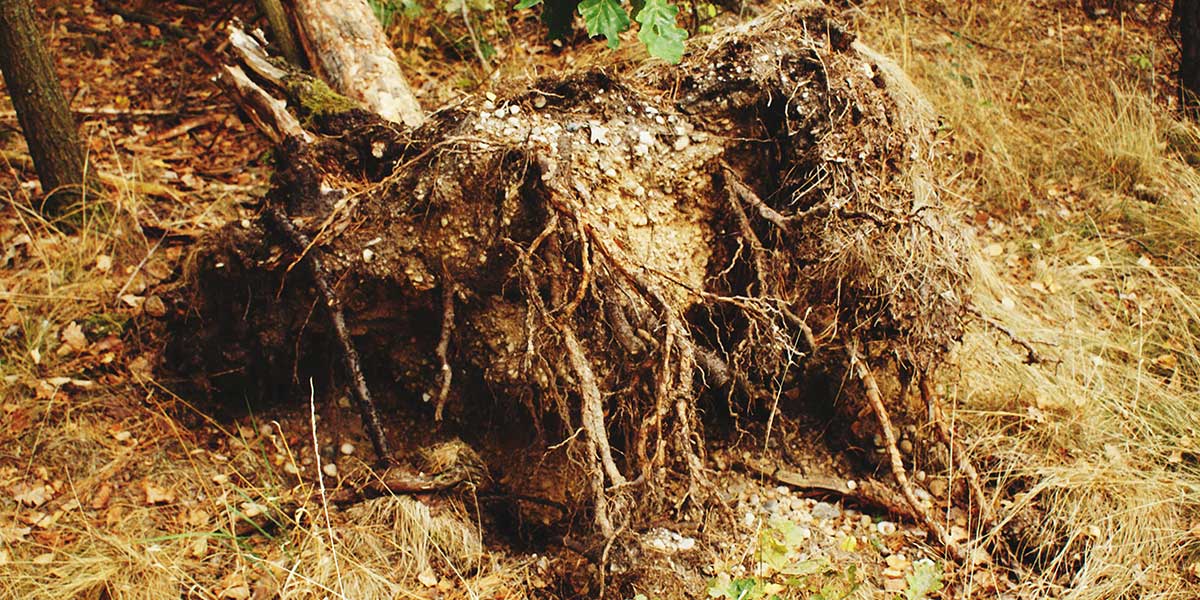
While there’s a lot that needs to go right for your tree to remain beautiful and healthy for as long as possible, its roots are one of the most important factors. Unfortunately, root rot is a problem some homeowners must deal with.

What is root rot, and what causes it? Is there a way to fix the issue? This post aims to answer these and more questions.

what causes root rot in trees

What Is Root Rot?

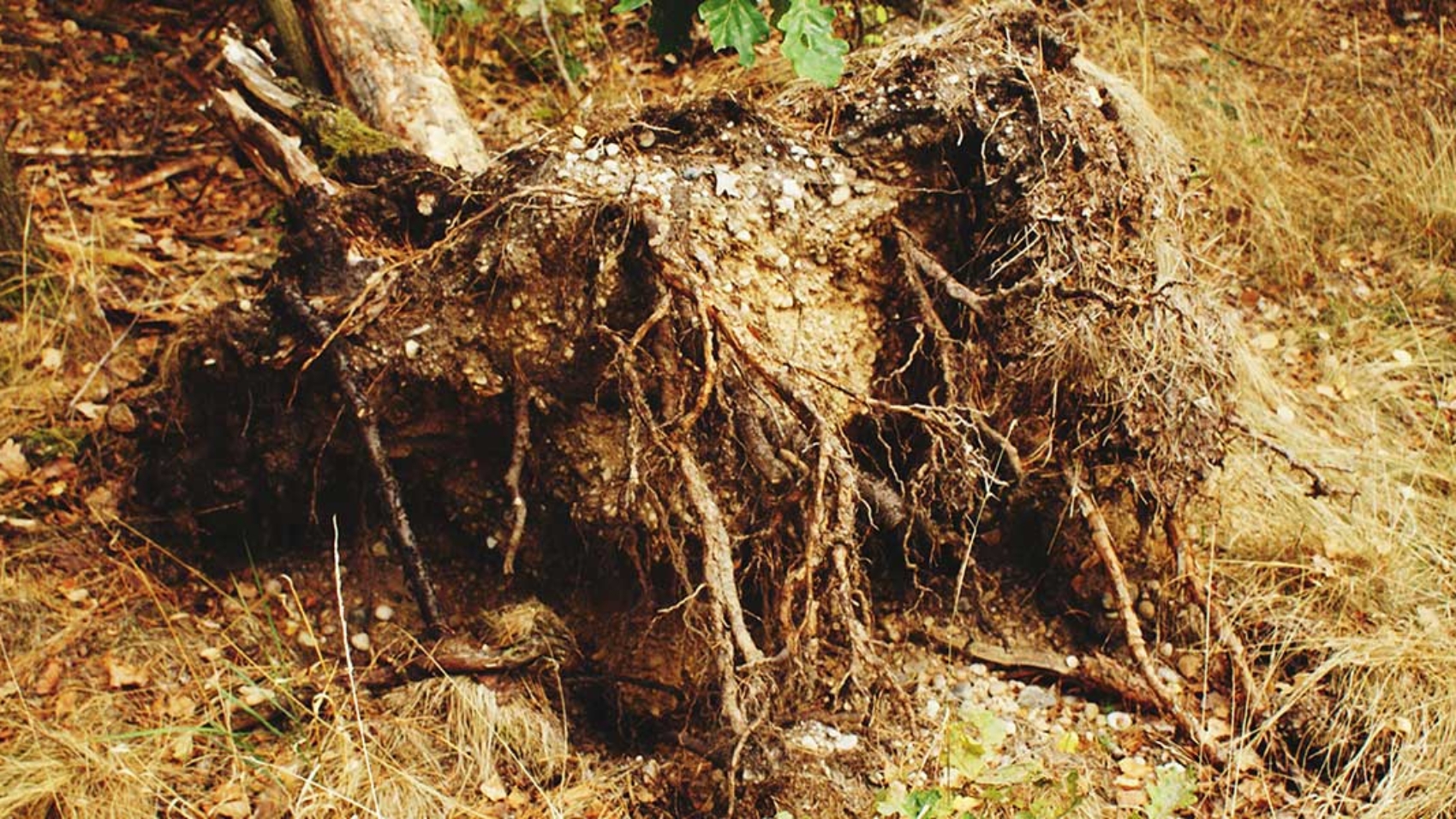
Root rot is a devastating fungal disease that attacks a tree’s roots, causing them to decay. As a result, the disease can lead to worrying signs in the tree, such as:

  • Wilting leaves
  • Leaf discoloration
  • Premature leaf drop
  • Canopy dieback
  • Stunted growth

Without prompt action, root rot will lead to the gradual decline of your tree’s health and, ultimately, its demise.

What Causes Tree Roots To Rot?

While root rot is caused by fungal pathogens such as Armillaria, Fusarium, and Phytophthora, these only thrive under specific conditions. The factors below help create those conditions.

Overwatering

Excessive moisture in the soil is the primary culprit, as wet environments are ideal for fungal growth. The fungi can harm a tree’s roots, slowly weakening its defenses and leading to decay.

Poor Drainage

Not all soils are the same. Some types allow water to drain quickly, while others retain water for longer periods. Soil with poor drainage increases the likelihood of overwatering and exacerbates any issues that may arise as a result.

Soil Compaction

Are you living in an urban area? The presence of nearby structures, such as roads, buildings, and walkways, can cause your soil to become more compacted. This compaction can inhibit water flow, leaving you with soggy soil, which is a common cause of root rot in trees.

Oxygen Deprivation

Excessive moisture isn’t the only culprit. Poor air circulation can also cause root rot. This is because the lack of air leads to root suffocation, impacting the roots’ ability to metabolize and grow. The weakened state of the roots, coupled with a lack of oxygen, allows fungi to take over.

Treating and Preventing Root Rot

If you catch it early, you can treat root rot by scheduling professional tree services in Millis, MA. A certified arborist will evaluate your tree’s condition and try to save it by pruning the infected roots. They may also apply chemicals to the base of your tree to reduce the level of infection.

Your best course of action, however, will always be to try and prevent the disease by:

  • Ensuring proper drainage
  • Giving your tree the right amount of water
  • Adding soil amendments
  • Aerating the soil to improve circulation

Leave Your Tree’s Care to Millis’ Trusted Tree Experts

Here at Brooke Tree Service, we’re all about providing you with the services your trees need to thrive. From helping you learn what causes root rot in trees to safely removing tree roots affected by the disease, we’re your go-to tree care solution.

Dial (508) 613-5044 to schedule an assessment with our team.

are dead trees dangerous

Are Dead Trees Dangerous? What Dover, MA, Homeowners Should Know

Every guide on dealing with dead trees will always recommend immediate tree removal, but why is that? Are dead trees dangerous?

Absolutely; a dead tree is a major hazard, threatening not only the safety of your property but that of your family as well. This post will take a closer look at the potential dangers dead trees pose, highlighting the need for professional tree services in Dover, MA.

are dead trees dangerous

How To Spot a Dead Tree

How can Dover homeowners effectively tell when their trees are dead? While a lack of leaves is a good place to start, this sign on its own won’t be enough. After all, several trees often shed their leaves during certain seasons.

Here are other key symptoms that will point to the severe decline of your tree’s health.

Trunk Issues

Does your tree’s bark have deep splits and wounds that aren’t healing? Exposure of the inner wood allows the rapid spread of decay, which could cause your tree’s death.

Signs of Disease and Decay

Check for fungi growing on your tree’s trunk and branches. You might also start noticing mushrooms at the tree’s base.

Branch Problems

During your tree’s growing season, be on the lookout for bare branches that have no leaves or buds.

Why Keeping a Dead Tree Is Never a Good Idea

At first glance, a dead tree might seem harmless. You might even be tempted to ignore it. This, however, is far from ideal.

Are dead trees dangerous? The short answer is yes. Here are the risks that come with keeping a dead tree on your Dover property.

High Fall Risk

A dead tree’s structural integrity is greatly compromised. The dried wood and dead roots make the tree weak, creating what is, essentially, a ticking time bomb.

What this means is that the tree can fall anytime and potentially cause significant injuries or costly property damage.

Damaged Power Lines

Was the tree growing near power lines? Keeping it around after it dies places your neighborhood’s electricity supply in danger. While this might not seem like a pressing issue, for those with medical devices in their homes, it can be life-threatening.

Easy Spread of Disease

A lot can cause a tree’s death, and diseases are high on that list. By failing to remove a dead tree, you could be placing other trees on your property at great risk. Before you know it, you could have multiple infected trees on your hands.

Pest Attraction

Pests and rodents are attracted to dead trees. Once they’ve set up a base, they’ll have no trouble spreading to your home and wreaking more havoc.

Let Dover’s Trusted Tree Professionals Safeguard Your Home

Are dead trees dangerous? In more ways than one. Fortunately, by calling Brooke Tree Service and scheduling professional removal, you can prevent your dead tree from becoming a safety hazard. We’ll first determine if the tree is dead or dormant before recommending the appropriate next step.

Talk to us today at (508) 613-5044.
how to brace a large leaning tree​

How To Brace a Large Leaning Tree

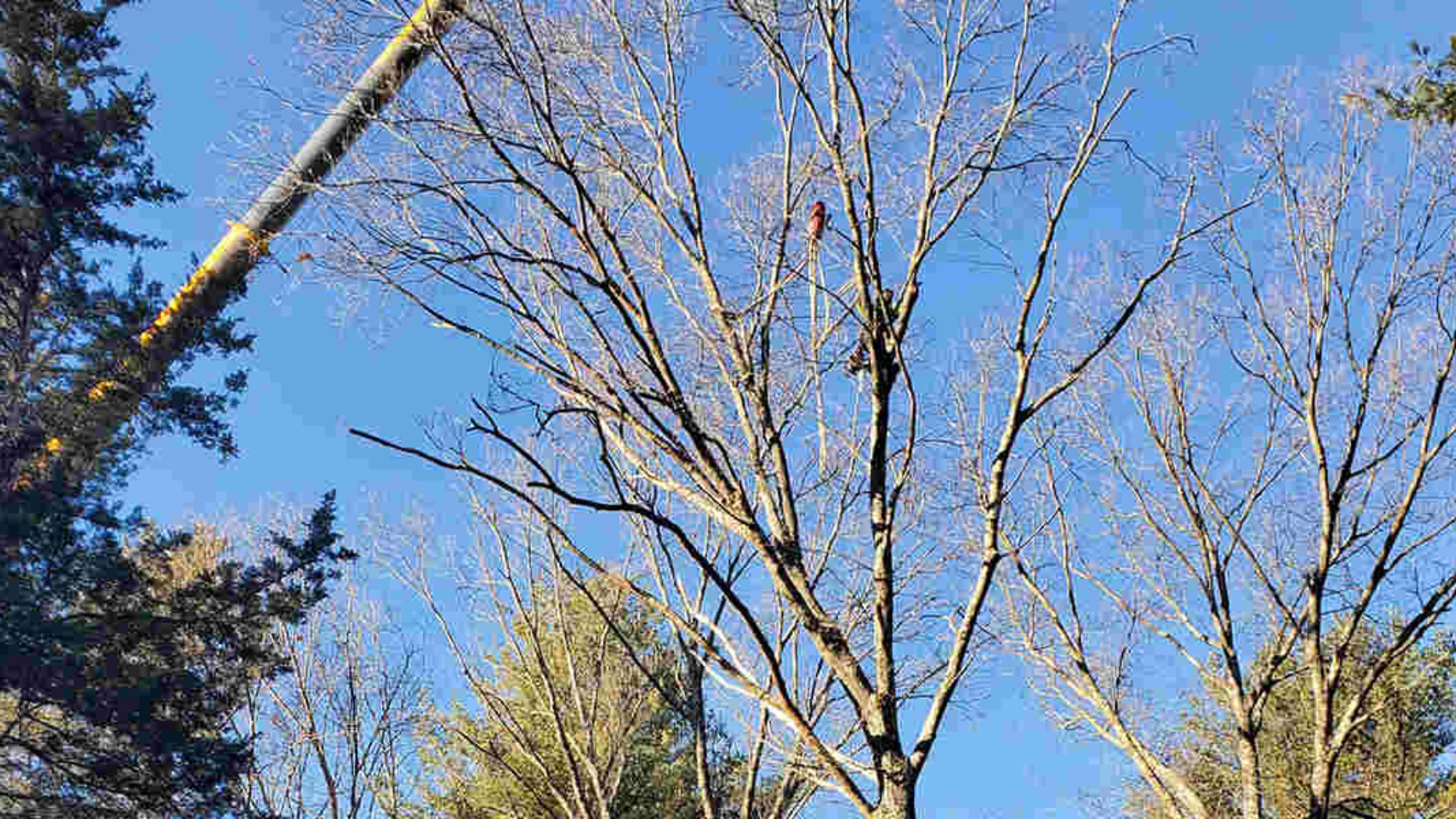
Although many trees grow tall and upright, many others grow at an awkward angle. Trees that lean naturally aren’t often hazardous, but if a once-straight tree begins to lean, it could be potentially dangerous. Knowing when and how to brace a large leaning tree can often restore the plant’s structural integrity, so a professional inspection is important.

Brooke Tree Service provides tree services in Wellesley, MA, including cabling and bracing. Our guide below explains how to implement effective structural support for leaning trees.

how to brace a large leaning tree​

Are Leaning Trees Dangerous?

Some trees just grow skew, thanks to years of wind or similar environmental factors. However, suddenly leaning trees reveal a more urgent problem. If there are root or structural problems, any intense wind, heavy impacts, or oversaturated soil after the next downpour might easily cause that angled tree to topple!

A tree that falls could cause substantial property damage and injuries. Straightening a leaning tree via tree cabling and bracing services brings the support it needs to stay upright.

Warning Signs Indicating the Need for Tree Stabilization

Before learning how to brace a large leaning tree, it’s helpful to understand when the service will become necessary. If insufficient sunlight and pest infestations have caused your tree’s structural problems, tree bracing and cabling may not be suitable solutions. On the other hand, cabling or bracing is a perfect solution if you see:

  • Storm damage: Did your tree take on a lopsided appearance after a major storm? Broken branches or a fall is likely. Support rods will provide stabilization.
  • V-shaped trees: Mature trees with two primary stems (a V-shape) tend to split and fall. Professional bracing and cabling services are a must.
  • Horizontal branches: Are overextending branches growing horizontally? Their weight could put undue stress on the tree, which could fall over.

If you notice a large tree on your property has a noticeable slant, you should not wait to schedule bracing and cabling services. The longer you wait, the more hazardous the tree can become.

How To Handle Tree Bracing and Cabling

Wondering how to brace a large leaning tree safely? Tree care experts take these steps:

Step 1: Use stakes to brace the tree: 

Insert three stakes about 18 inches into the soil. Pointing them toward the tree at a 45-degree angle. 

Step 2: Straighten the trunk: 

Is the soil around the tree soft enough? Correct the tree’s position with a bit of force. Gradually increase the force to prevent the trunk from uprooting.

Step 3: Anchor the plant in its new position: 

Secure the tree in its new position. Experts use high-grade cables or straps attached to the stakes.

Turn to Brooke Tree Service for Professional Leaning Tree Corrections

Here at Brooke Tree Service, our licensed and experienced technicians know exactly how to brace a large leaning tree. Our tree care company uses industry-leading materials and techniques to ensure the healthy growth of plants in and around Wellesley, Massachusetts. If you need help cutting a leaning tree or bracing it with support rods, we’re your team.

Call (508) 613-5044 to speak with a Brooke Tree Service team member and schedule an estimate.

what to do with tree stump grindings

What To Do With Stump Grindings in Southborough, Massachusetts

Do you know what to do with tree stump grindings instead of letting them decay in your yard? Trust Brooke Tree Services in Southborough, MA, to dispose of them responsibly or help you use them on your lawn. Locals rely on us for expert advice and tree care that keeps their property beautiful, healthy, and safe.

what to do with tree stump grindings

Why You Shouldn’t Leave Stump Grindings in Your Yard

What happens when you leave behind stump removal waste in Southborough, MA? It can create several problems for your yard.

Many insects and pests find the wood chips attractive and use them for nesting or breeding. The debris can also grow mold, fungus, and other tree diseases, which then spread throughout your property.

If you value your curb appeal, don’t underestimate how rotting wood chips can lower it. They also pose a tripping hazard to guests. Thankfully, a professional tree service can either remove the grindings or help you use them responsibly.

Best Options for Getting Rid of Stump Grindings

After stump grinding, you have several options for getting rid of the debris.

Use Them as Mulch in Your Garden or Landscaping

Landscape material solutions include using the debris as mulch, which is one of the most popular wood chip reuse ideas. However, you should still rely on the professionals for help, as applying too much mulch can suffocate your plants.

Wood chips are a great idea for your garden, too, and can help prevent weed growth. They look great and can help keep your plants warm as the temperature decreases in the fall. If you plan to buy them anyway, why not recycle the stump waste?

Mix With Other Materials To Create Compost

If you don’t know what to do with tree stump grindings, consider adding them to a compost pile. While composting tree stumps on their own can cause problems in your yard, mixing them with other organic waste like food scraps can help create fertilizer. They’ll serve a slightly different purpose in your garden than wood chips.

Combine With Soil and Fill in the Hole

What is one of the most useful stump grindings disposal methods? Mix them with dirt to fill in the hole the process creates. It will leave your yard looking level and may replenish the soil with some vital nutrients.

Ask the Tree Service To Remove Them

Asking the tree service to grind your stump to remove the chips is the easiest way to eliminate them. The best companies use them to provide other properties with mulch or can grind them into sawdust. You can trust them to recycle the chips and not let them go to waste.

Brooke Tree Services Provides Expert Stump Grinding in Southborough

Now that you know what to do with tree stump grindings, contact Brooke Tree Services. Our efficient and cost-effective services help you optimize the benefits of stump grinding. We always practice eco-friendly tree care and help you find the best way to use your grindings.

Request an estimate by completing our online form or calling (508) 613-5044.