arborist vs certified arborist

What Makes a Certified Arborist Different From a Regular Arborist?

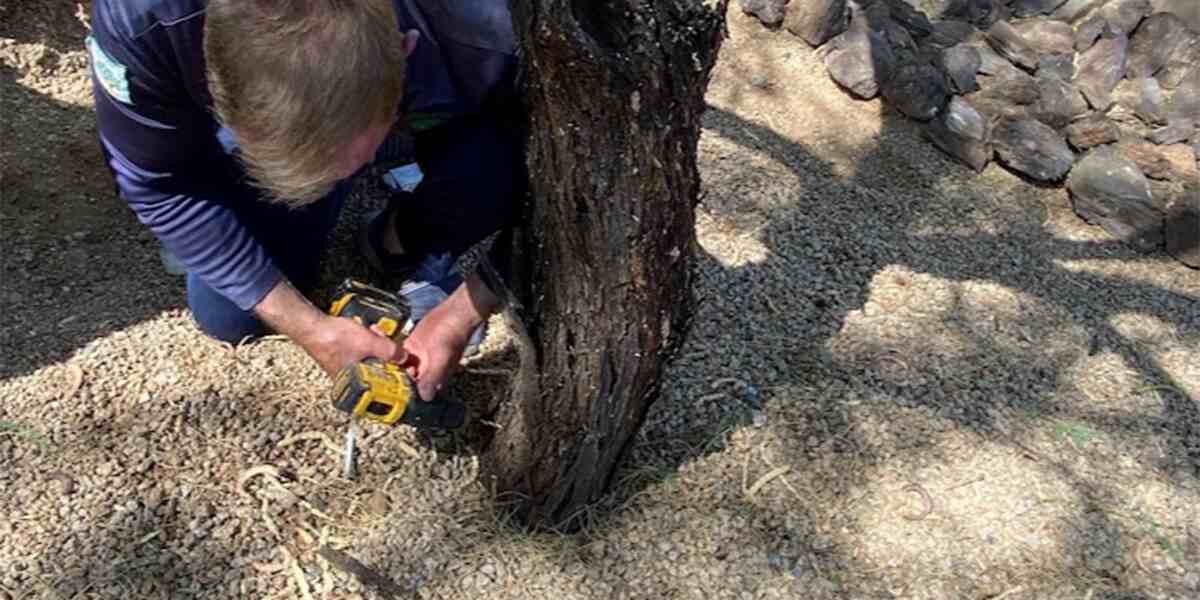
Arborist vs. certified arborist: what’s the difference to your trees? Are these professional roles the same? Here are some answers from Brooke Tree Service, a trusted tree service in Medfield, MA.

arborist vs certified arborist

Plain Old Arborist vs. Certified Arborist: What Makes Them Different?

Like any professional field, an arborist can pursue specific qualifications and higher expertise levels in tree care. Knowing how to apply the best industry practices to clients’ cases can be tricky. However, not every arborist receives specific certifications, including slapping on that lauded “certified” title. 

What Does an Arborist Do?

The average arborist applies basic industry standards and knowledge to their clients’ trees with the aim of protecting overall tree health. Typically, they’ll base their decisions on what is best for the target specimen or to protect surrounding trees. These individuals specialize in promoting the health of woody plants, like trees and shrubs, but their expertise may vary. 

All arborists typically have the same tree health objectives. However, not every professional has earned the right to call themselves a “certified arborist,” as we’ll see below. 

How Does a Certified Arborist Stand Apart?

What separates arborist vs. certified arborist titles? Your certified arborist is a specialist who has earned at least one professional certification. They’ve worked hard to receive years of formal education, completed hands-on training, and then demonstrated best practices to earn that badge of honor from a recognized organization. 

In this industry, it’s most common for an arborist to earn the ISA certification. The International Society of Arboriculture awards these certificates to arborists who meet its strict qualifications and pass in-depth examinations. An ISA-certified arborist brings much more than basic tree knowledge to the table, as they stay up to date on cutting-edge care techniques, tree ordinances, and more.

Should You Only Pick a Certified Arborist for Your Tree Projects?

Almost anyone with basic tree care knowledge and experience might call themselves an arborist. However, your certified arborist will always adhere to industry-specific standards. Often, certified individuals will apply more recent care tactics, which may benefit your trees more.

Can you work with an arborist who hasn’t earned a certification? Of course, you can. However, they may have had to figure out the best arboricultural practices from extensive industry experience and a wealth of accurate tree knowledge rather than a certification. 

After years on the job, they may know how to correctly trim a limb or two and apply basic fertilizer. However, when it comes to problematic trees or growth challenges, a property owner might choose a certified arborist to give their trees the best chance. Always verify that they have earned an ISA certification if they claim to be a certified “tree surgeon,” “licensed arborist,” or something similar.

Ask Brooke Tree Service About Hiring Trusted Tree Professionals in Medfield, Massachusetts

Now that you know how arborist vs. certified arborist designations differ, you may want to read more about understanding tree arborist qualifications and training. If you’re local, you can also call Brooke Tree Service at 508-613-5044 about services in Medfield, Massachusetts!
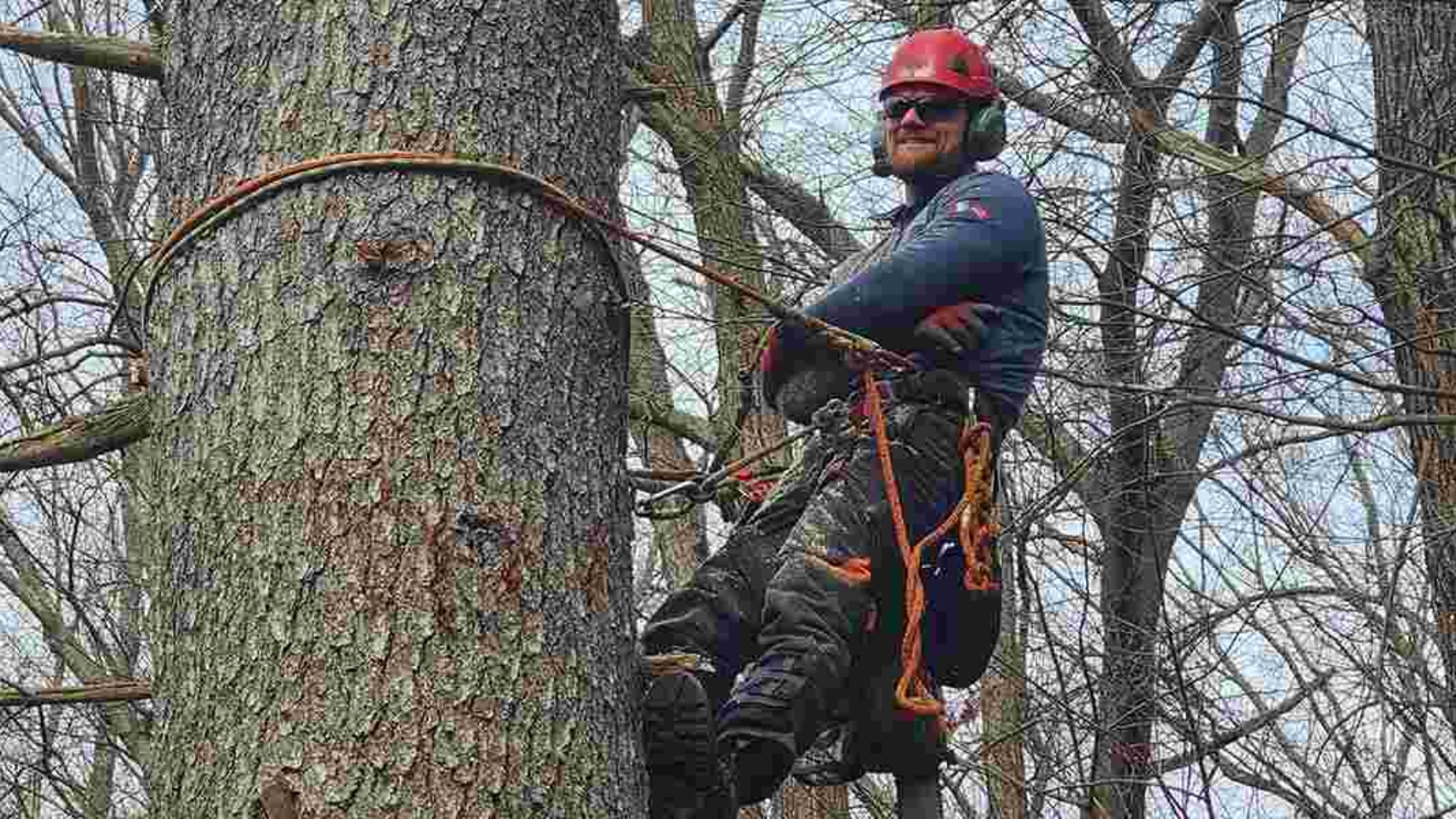
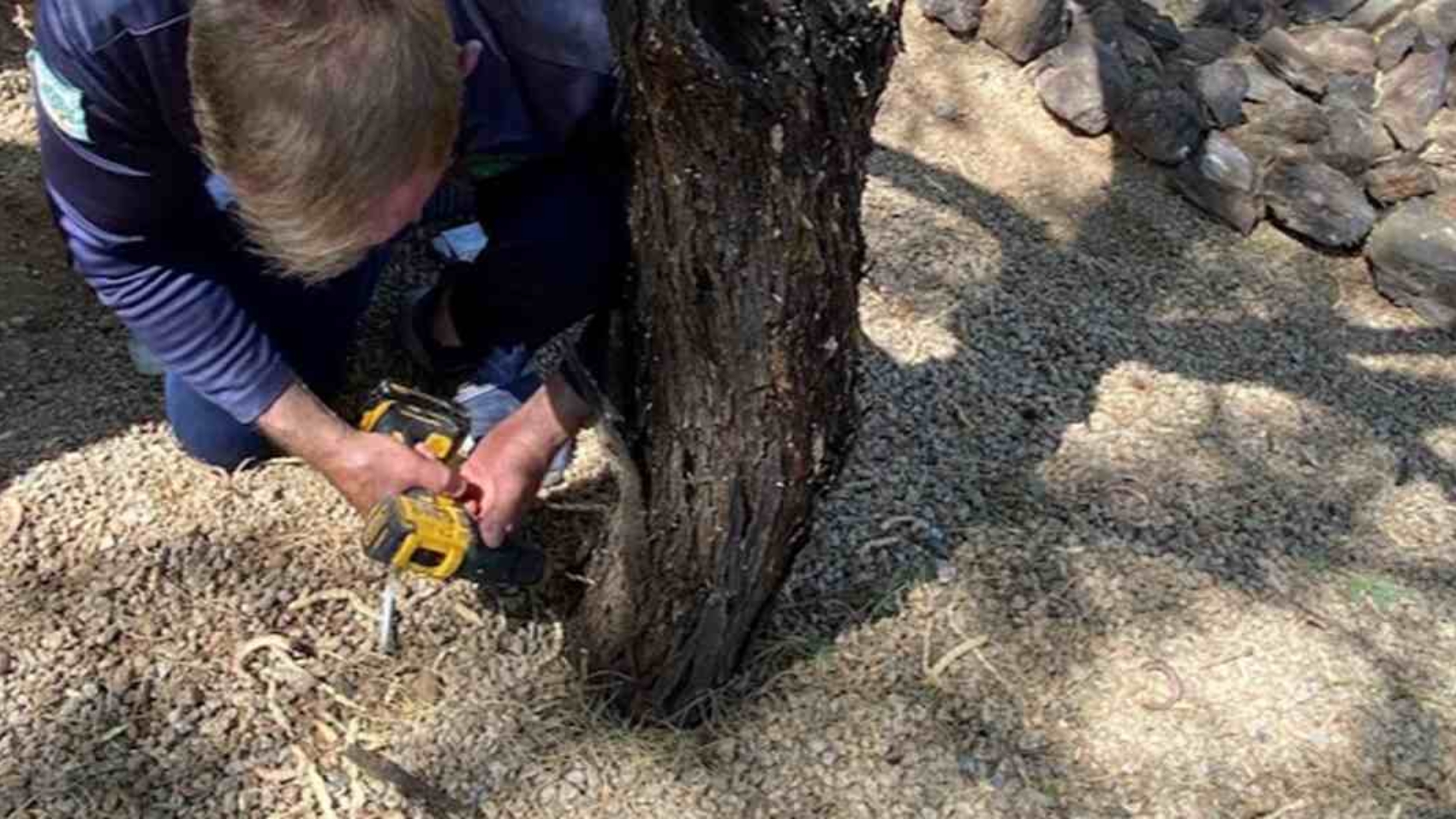
what is tree surgery

What Is Tree Surgery and When Is It Necessary in Holliston, MA?

What is tree surgery? If you’re a gardening enthusiast who came across this term and it sparked your curiosity, this blog post is for you.

As the go-to tree specialists in Holliston, our team at Brooke Tree Service has in-depth knowledge and experience on the latest arborist practices. Keep reading as we slice into the subject and help you discover new ways to improve your living landscape.

What’s a Tree Surgeon?

A tree surgeon, or arborist, is a bona fide green-thumbed professional who knows how to manage and maintain trees, shrubs, and other woody plants. You can think of them as doctors for specific flora.

Arborists typically have degrees in forestry, horticulture, and other related fields. Once they graduate, they undertake rigorous training for practical experience. The International Society of Arboriculture and other prestigious organizations offer certification exams to validate their expertise.

Types of Tree Surgical Procedures

What is tree surgery? It can mean various arboriculture services, all designed to keep trees healthy and landscapes beautiful:

  • Felling: This is the process of cutting down a tree when it’s dead or because it poses a risk to its surroundings. It’s a job for the experts, as it requires precision, training, and a clear understanding of safety measures. 
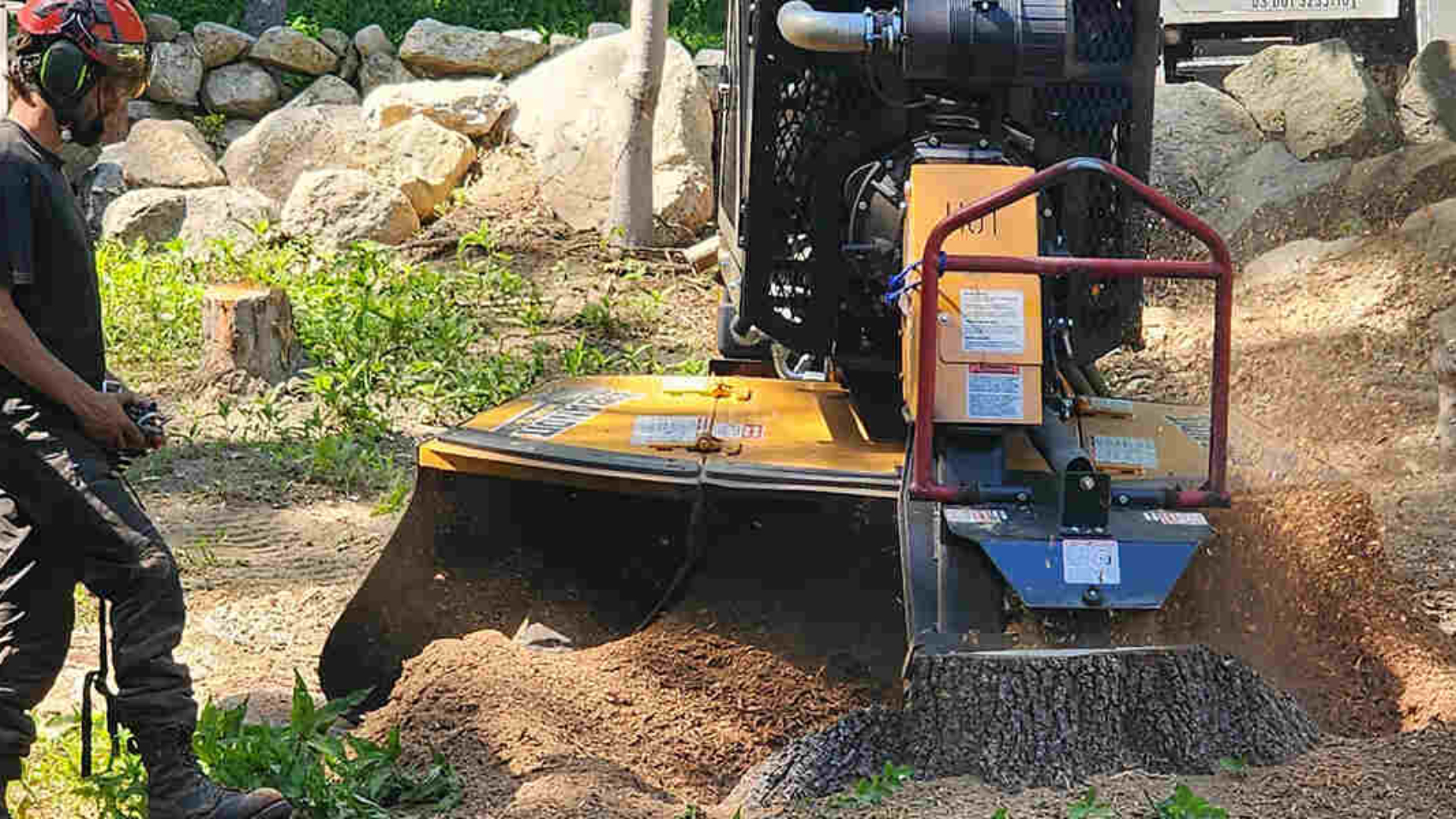
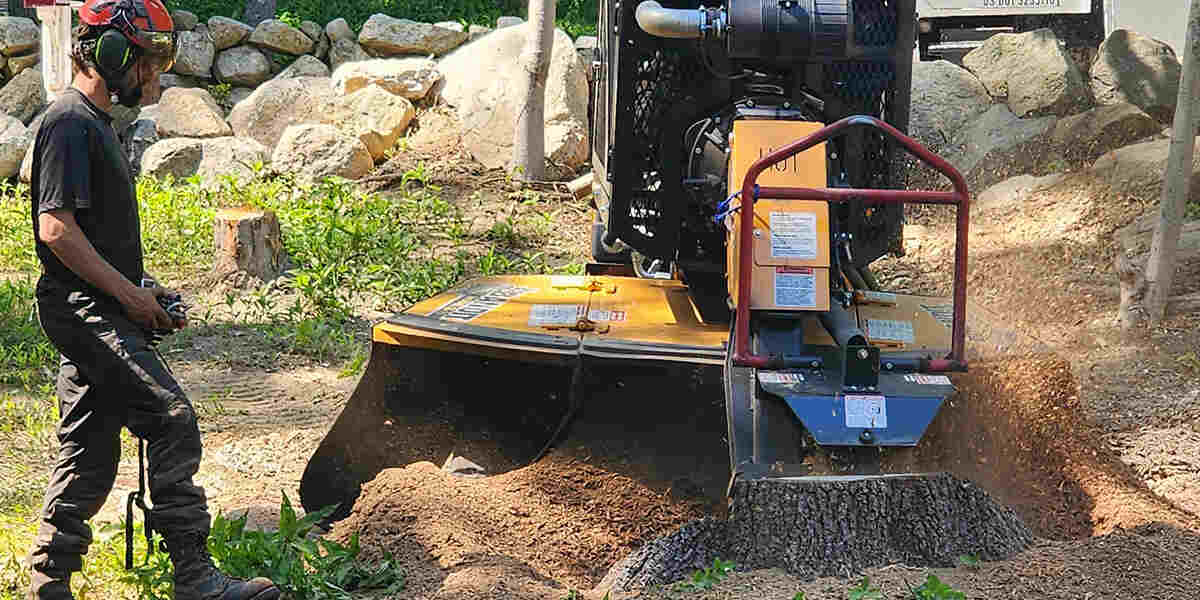
  • Stump removal: After removing the main body of the tree, a stubborn stump often remains behind. A professional tree surgery crew can grind down and remove them and give your yard a clean slate.
  • Pruning: Pruning involves slicing away dead, diseased, or overgrown branches. The goal is to improve the tree’s health, stimulate growth, and enhance its appearance. Your surgeon can help with standard pruning, pollarding, crown lifting, and more.
  • Planting: Whether it’s planting a new sapling or replanting a small tree, tree planting is a science that requires knowledge about the species, its specific needs, and the soil and weather conditions of the area. Understanding the nuances of replanting, such as root care and site selection, is crucial for the tree’s survival and growth.
  • Relocation: Do you have a specimen that could benefit from a change of scenery, or maybe a construction project necessitates a move? Adept arborists can move it to a new spot with minimal stress and damage.

Why Seek Professional Tree Surgery?

Trees are a significant investment that can take decades to reach maturity. Beyond the boost in your yard’s visual appeal, they also bring many worthwhile advantages:

  • Shade for the hot summer months
  • Improved property value
  • A home for birdlife and other critters
  • Reduced carbon footprint
  • Cheaper energy bills as trees can provide natural insulation for nearby structures

Why risk your specimen’s health and vitality with an unqualified, fly-by-night operation? A tree care surgery expert with proven credentials and a sterling reputation can provide peace of mind.

Consult a Local Arborist

What is tree surgery? Partner with Brooke Tree Service and see for yourself. 

Our crew remains well-versed in the latest tree surgeon techniques to ensure your verdant companions lead a long, healthy life. We also provide removal services when the tree endangers surrounding structures or becomes a safety hazard.

Dial (508) 613-5044 today or read more of our blog to familiarize yourself with the most common tree diseases.

girdling tree roots

What To Do About Girdling Tree Roots on Your Holliston, MA Property

Proper tree maintenance can help you avoid issues like girdling roots, which can compromise tree health. But what do you do when you already have the problem?

In this blog post, Brooke Tree Service, trusted tree specialists in Holliston, take a deeper look into the issue of girdling tree roots and how you can tackle them. 

girdling tree roots

What Are Girdling Tree Roots?

Girdling is common in urban forestry and occurs when something tightly wraps around a tree’s trunk or stem. Girdling roots will circle or partially circle the base of your tree at or just beneath the soil surface. It’s like your tree strangling itself with its roots.

When this happens, it results in inefficient flow of nutrients and water between the tree roots and branches. Also, the food manufactured in the leaves may not reach the roots. 

Girdling roots can also squeeze your tree’s trunk, weakening and causing it to lean. These roots may also strangle other roots, leading to root damage.

But what causes girdling tree roots?

Poor planting or transplanting practices are the leading cause. If you leave your trees in their nursery containers for extended periods, the roots can grow too long and end up wrapping themselves at the bottom of the container. If you don’t loosen such roots when planting the tree, they often become girdling roots.

Planting a tree in a small hole can also lead to girdling. The roots will start circling each other and eventually become girdling roots. 

If you have no idea how to spot girdling tree roots, look out for the following tell-tale signs:

  • Unusually small leaf size
  • Early fall color and premature leaf drop
  • Large, dead, leafless branches
  • The crown appears thin and generally stunted 
  • Tree leaning on one side

It’s worth noting that most of these symptoms may indicate other issues like malnutrition and dehydration. It pays to hire a certified professional to inspect your tree root system and the trunk to determine if you have girdling roots. 

How To Deal With Girdling Tree Roots

You can prevent girdling roots by digging a properly sized hole to plant your tree. Ensure the hole is about three times as wide as the root ball and as deep as the root ball. Keep soil below the root flare and mulch away from the trunk. 

If you have roots circling the base of the root ball, loosen them before planting the tree to encourage normal growth. 

Root pruning can also help remove or prevent girdling roots. However, it’s best to leave this task to a certified arboriculture specialist to avoid damaging your tree’s stem and roots. 

Contact Your Local Tree Experts for Assistance

If you need help with girdling tree roots, talk to the professionals at Brooke Tree Service. We deliver the highest quality tree services at competitive prices. Our wide range of services include:

  • Tree planting
  • Tree removal
  • Tree trimming & tree pruning

Contact us at (508) 613-5044 to request an estimate or to learn about the right way to remove tree roots in Holliston, MA.

how to cut a leaning tree

How to Cut a Leaning Tree

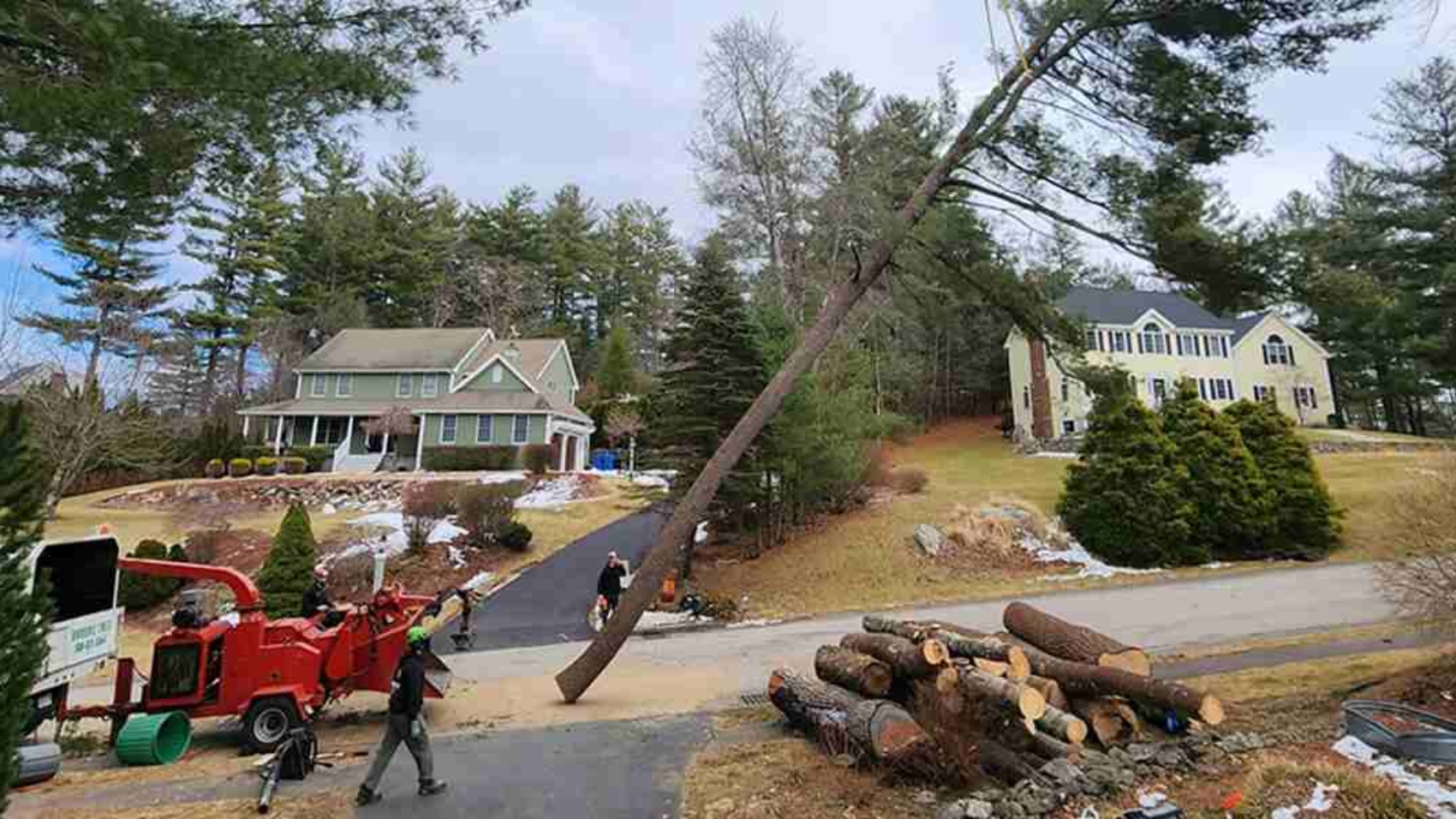
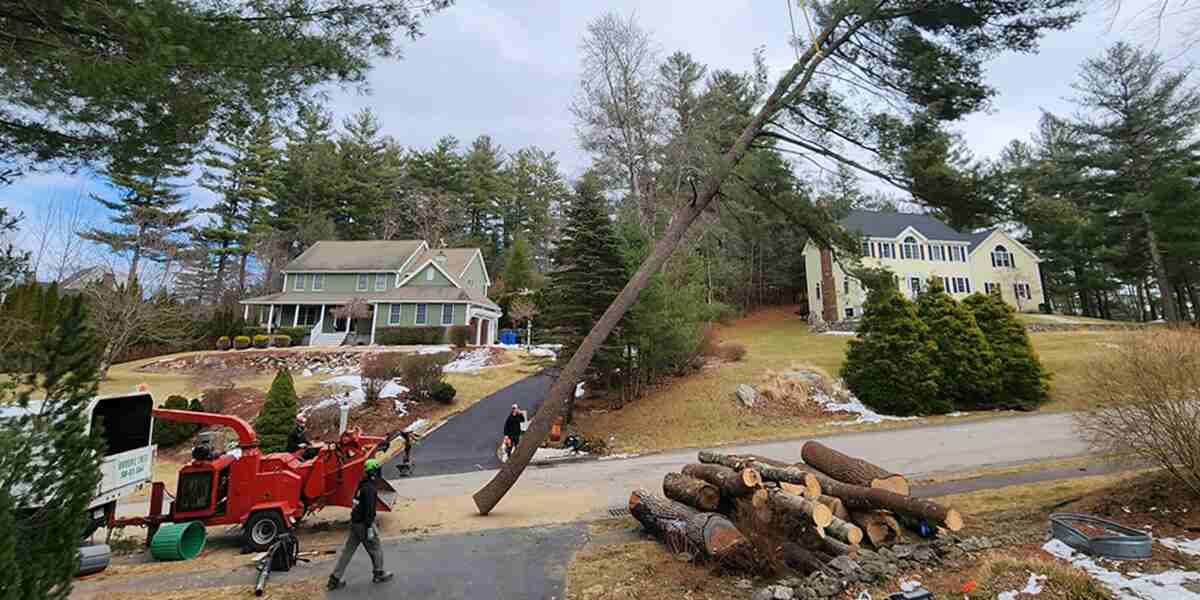
Leaning trees can pose a significant safety hazard, especially if large or near property. If you have a leaning tree on your property, you want to hire a professional to assess its condition and remove it if necessary.   

However, if you know how to fell trees and plan to cut the leaning tree yourself, you must adhere to several safety precautions that will minimize the risk of the tree falling on your property or causing injuries.

In this post, we’ll outline a step-by-step guide on how to cut a leaning tree as discussed by tree removal experts in Natick, MA.  

how to cut a leaning tree

Step 1: Assess The Tree  

Check for signs of decay, such as cracks or holes in the trunk. If you notice any symptoms of decay, hire a professional to remove the tree.  

Step 2: Exercise Caution  

Use a sharp and properly functioning chainsaw  

  • Always wear protective gear such as a helmet, safety glasses, gloves, and protective shoes when using a chainsaw  
  • Clear the area around the tree of people and property  
  • Use a safety harness if working from an elevated platform or ladder  
  • Have someone stand by to watch for any hazards such as falling branches  
  • Make sure you have at least two escape routes  

Step 3: Make the Felling Cut  

This refers to the first cut typically made on the side of the tree you want it to fall. With a leaning tree, you want to make a shallow but steep felling cut. Next, create a “hinge” by making a cut about two inches above and behind the base of the face cut.  

Plumb the saw through the trunk and leave about one to two inches of trunk thickness horizontally.  

Step 4: Make the Back Cut  

Make this cut on the opposite side of the felling cut, leaving about two inches of trunk on that opposite side intact to form the “trigger.” Avoid leaving too much hinge or too little trigger as that may cause the tree to splinter.  

Step 5: Make the Final Cut  

Once you confirm the trunk is only intact at the hinge and trigger, cut through the trigger, and the tree should start to fall. Be ready to jump and run to safety because anything can go wrong.  

Hire a Professional  

Rather than cut the tree yourself, consult a tree removal expert. Besides having the skill and equipment to do the job right, an expert will have sufficient insurance to cover any damage or injuries incurred during the tree removal project.  

A certified arborist will also assess the tree’s overall health and recommend the best course of action. 

Trust Your Local Tree Experts

Experience quality tree care at competitive rates with Brooke Tree Service. We strive to serve our customers with excellence and integrity. Count on us for comprehensive tree services, including:  

  • Tree trimming and pruning  
  • Tree removal  
  • Arborist services  
  • Tree cabling and Bracing  

Call Brooke Tree Service at (508) 613-5044 to get a free quote for tree service in Millis, MA, or nearby. Reach out any time to learn the right way to remove tree roots or for additional tips on how to cut a leaning tree. 

remove tree roots

The Right Way To Remove Tree Roots

[et_pb_section fb_built=”1″ admin_label=”section” _builder_version=”4.16″ da_disable_devices=”off|off|off” global_colors_info=”{}” da_is_popup=”off” da_exit_intent=”off” da_has_close=”on” da_alt_close=”off” da_dark_close=”off” da_not_modal=”on” da_is_singular=”off” da_with_loader=”off” da_has_shadow=”on”][et_pb_row admin_label=”row” _builder_version=”4.16″ background_size=”initial” background_position=”top_left” background_repeat=”repeat” global_colors_info=”{}”][et_pb_column type=”4_4″ _builder_version=”4.16″ custom_padding=”|||” global_colors_info=”{}” custom_padding__hover=”|||”][et_pb_text admin_label=”Text” _builder_version=”4.27.4″ background_size=”initial” background_position=”top_left” background_repeat=”repeat” global_colors_info=”{}”]

Learning how to remove tree roots properly is a useful skill. By using the correct techniques, you can control an unruly root system without killing the tree. In this post, Brooke Tree Service, your reliable tree removal company in Natick, MA, explains how to complete this task correctly. 

remove tree roots

When Do You Need To Remove Tree Roots? 

A tree with healthy bark, branches, and roots thrives. However, sometimes these components can grow out of hand. When branches grow too close to structures or tangle up in one another, pruning is the ideal way to solve the issue. 

You can also prune a tree root, but you need to be a little more careful about how far you take the process. If you remove tree roots without careful planning, you can destabilize or kill your tree. 

The roots can account for more than half of the overall tree structure, making trimming them a complex task. You should do this as a last resort. If you have to remove large roots, it’s better to call in a tree service. 

When Is the Best Time To Remove Roots?

Where possible, remove the roots in the dormant season and in colder weather. It’s better to work when there are fewer pathogens and fungal spores in the air. However, you’ll need to complete the task before the ground freezes, so fall is usually the best time. 

How To Remove Tree Roots

You need nice sharp, clean tools to cut the roots, like: 

  • A grubbing hoe
  • Branch loppers
  • A root saw
  • A reciprocating saw 

You’ll also need safety equipment like protective boots, glasses, and gloves. Then, follow these steps. 

1. Mark Where the Utilities Are

You can usually call a utility marking service to do this for free. If not, check the property plans and see where the sewer, electrical, and water lines are. 

2. Trace the Root

Follow the offending root back toward the tree to mark the cutting point. This should be as far away from the trunk as possible to achieve your goal. 

3. Expose the Root

Carefully remove the soil around the root from the cutting point outward. Clear the area on either side of this point so you can reach the root. Prop it up slightly to make it easier to cut. 

4. Cut the Root

Slice through the root cleanly, leaving a smooth edge, and then dig up the dismembered section. Discard it and fill the hole. 

5. Help Your Tree Recover

Make sure your tree has enough water in the coming weeks. You can also mulch the area to protect the roots, but lay off fertilizers for now as they may burn the wounded tissue. Try to avoid disturbing the soil for the next few weeks. 

Contact Us for Help Removing Tree Roots

Do you need assistance with tree care, such as pruning or removing tree roots, or do you require a related service like obtaining a permit for tree removal? Brooke Tree Service is your go-to team for keeping your trees healthy. Call us today at (508) 613-5044!

[/et_pb_text][/et_pb_column][/et_pb_row][/et_pb_section]
best time of year to hire tree service

Best Time of Year to Hire Tree Service: Factors to Consider

Keeping your yard and trees in peak condition is essential, but hiring professionals for the job will yield the best results. While you can do many outdoor upkeep tasks on your own, some jobs need expert care. Learn about the best time of year to hire tree service professionals in this guide.

Brooke Tree Service offers outstanding tree service in Dover, MA, so keep reading, then give our trusted business a call.

best time of year to hire tree service

Why Do You Need Tree Services?

Tree services of any kind keep your yard looking beautiful and your trees healthy, safe, and in optimal condition.

There are several tree services you can book, depending on the type of tree you have and its condition. For example, dead and diseased trees likely require removal, while healthy, unruly trees likely need pruning or trimming. Regardless, there is a best time of year to hire tree service professionals for each of these tasks, and knowing when those are can be extremely helpful.

Trees can become unsafe and dangerous, especially if they’re close to falling on your home. Don’t let them get to that point before calling professionals to get the job done correctly and carefully. 

The Best Time of Year for Tree Removal, Trimming, and Pruning

Consider three of the most popular tree services and the optimal times of year to schedule them.

Tree Removal Services

The most logical and cheapest time of year for tree removal is during the winter months. This is the dormant season for most trees and where they’re not as vulnerable. However, it’s not a good idea to start removing numerous trees without good reason as it can be damaging for other plant life around it.

You could possibly help trees that are facing problems with trimming or pruning. We do recommend removing those that are decayed, full of disease, and hamring the other trees surrounding them.

Tree Trimming Services

Trimming trees at the end of winter helps them heal during the spring. Also, trees are more bare in the winter so you can detect problematic spots or locations to trim much easier. Cleaning up fragile and dead areas can improve your trees in the future.

Tree Pruning Services

Winter snow causes broken and unhealthy tree branches, making it vital to trim them for the health of the tree. Pruning services are ideal in the early months of spring because trees need a fair amount of time to heal from the cuts. Like with other tree services, fall is the worst possible time to work on a tree as it’s in its most vulnerable state, can leak sap, and face serious damage.

Contact Brooke Tree Service in Millis, MA

Now that you know the best time of year to hire tree service experts for various tasks, give our team a call. We can also help your trees hold up better in stormy or high wind conditions with tree cabling and bracing. Some vital tree services we offer include:

  • Tree Removal
  • Tree Planting
  • Tree Pruning
  • Tree Trimming
  • Stump Grinding

Contact Brooke Tree Service in Millis, MA to schedule a tree service appointment. Call (508) 613-5044 now!