organic fertilizer vs synthetic fertilizer

A Guide to Choosing Between Organic Fertilizer and Synthetic Fertilizer

Although trees and shrubs pull most nutrients they need from the soil, they sometimes need a boost through fertilization. Choosing organic fertilizer vs. synthetic fertilizer can be difficult for homeowners. To help you weigh the pros and cons of each option, request an arborist consultation in Natick, MA.

In the meantime, learn more from this fertilizer effectiveness comparison.
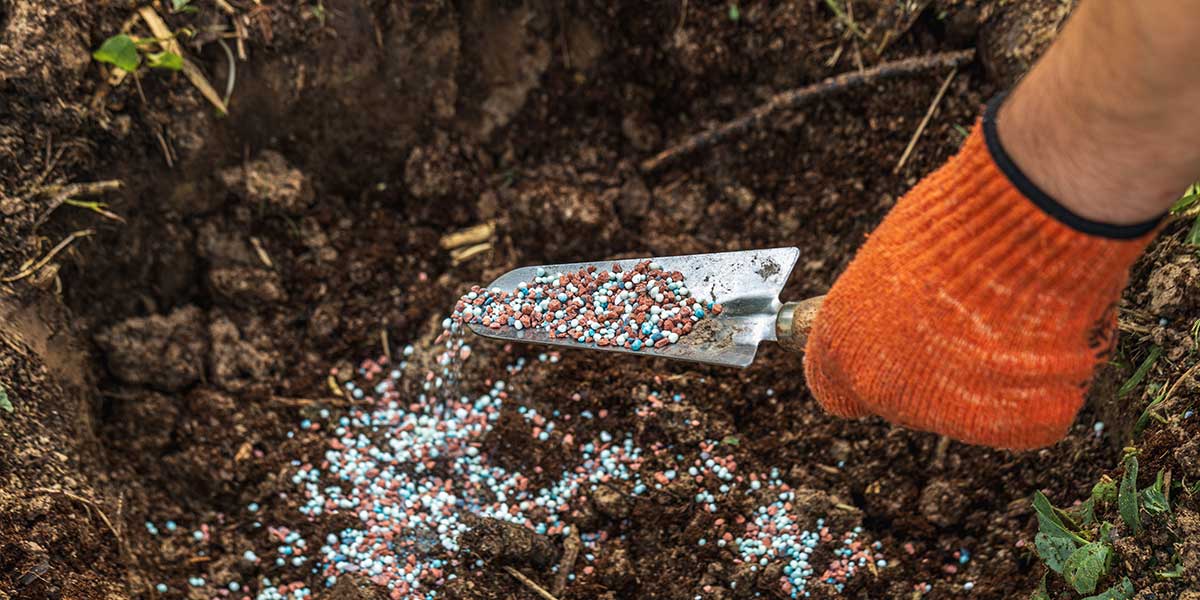
organic fertilizer vs synthetic fertilizer

How the Types of Fertilizers Differ

In the most basic sense, fertilizer provides food for trees and plants. It contains nutrients that trees absorb through their roots to use for growth and energy to fight off diseases or insects. If the soil cannot provide enough nutrients, arborists will apply fertilizer to give trees extra nutrients for healthy development.

Understanding Organic Fertilizer

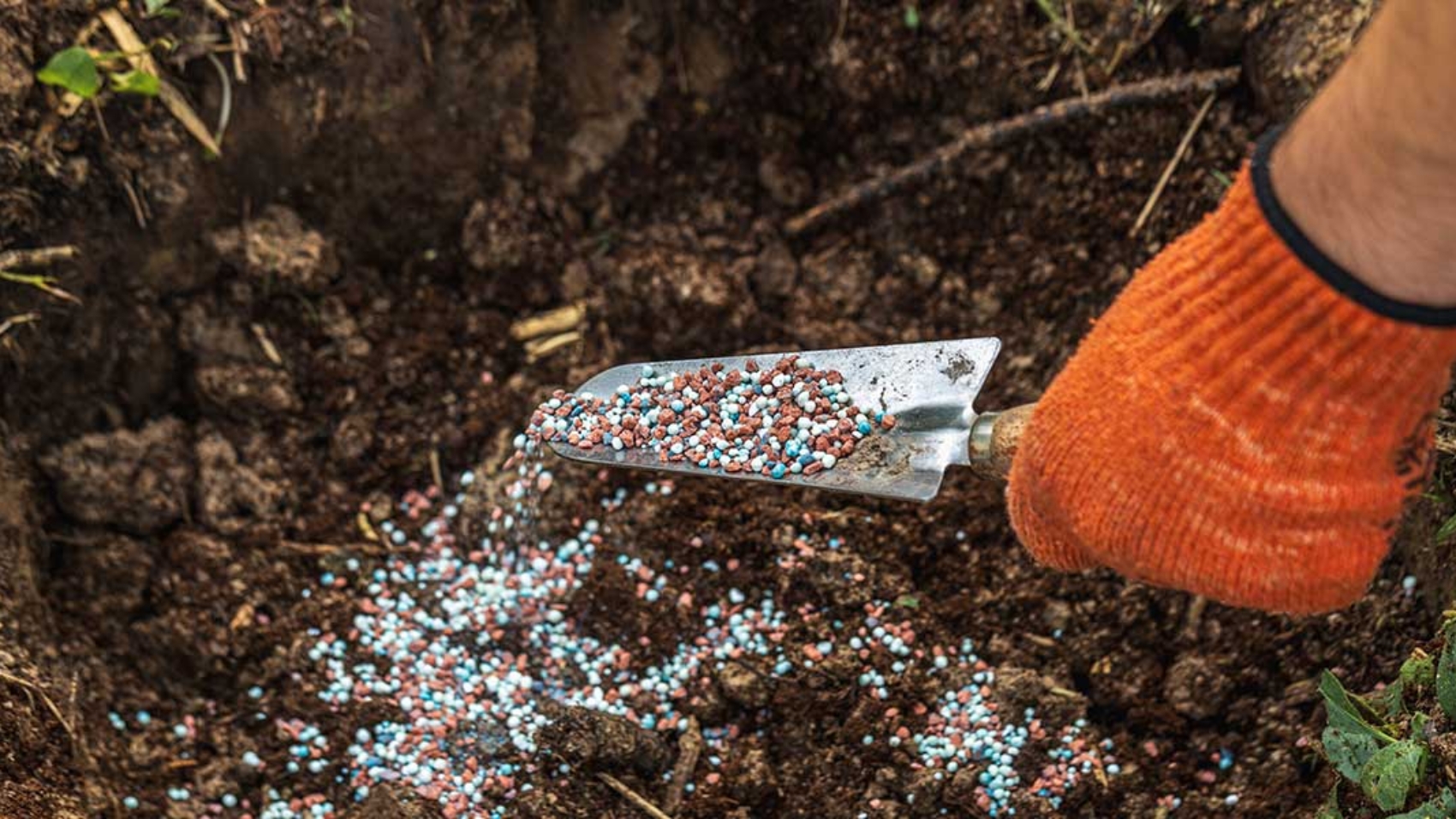
Organic fertilizers consist of natural materials that break down over several weeks and leave nutrients in the soil. Trees and shrubs can then slowly absorb these nutrients over time. Some of the natural ingredients in organic fertilizer include:

  • Manure
  • Compost
  • Plant matter

Using organic fertilizer is one way to follow sustainable gardening practices. The natural ingredients don’t harm insects or earthworms that enrich the soil. However, they work slowly, which is not necessarily helpful for a tree or shrub that’s showing immediate signs of nutrient deficiency.

Understanding Synthetic Fertilizer

Synthetic fertilizers are man-made products that attempt to deliver nutrients the tree can quickly absorb. These fertilizers may have a customized blend of nutrients made for a specific tree or to address a nutrient deficiency in your property’s soil.

When comparing organic fertilizer vs. synthetic fertilizer, some synthetic blends may harm microorganisms in the soil. They don’t replenish the soil like organic fertilizers do, either. However, they are proven effective at giving trees and plants a quick boost of nutrients.

General Rules for Using Organic vs. Synthetic Fertilizer

Arborists will inspect your trees and shrubs before making a recommendation on which fertilizer to use. They may take a soil sample to determine whether nutrient deficiencies are occurring.

Trees showing signs of health problems often require synthetic fertilizers for a fast-acting nutrient boost. Healthy trees and shrubs could benefit from an organic fertilizer’s slow release of nutrients that maintains their health well into the future.

Sometimes, arborists will recommend using a combination of organic and synthetic fertilizers. Homeowners then receive the benefits from a fast-acting fertilizer application while maintaining the health and vitality of the soil and microorganisms.

Brooke Tree Service Provides Species-Specific Fertilizer Treatments That Are Safe and Effective

Choosing organic fertilizer vs. synthetic fertilizer doesn’t have to be a stressful chore. Synthetic nutrient sources and organic soil enrichment both have their advantages, but you need tailored advice on which option is better for you. At Brooke Tree Service, we listen to your concerns, study the trees and shrubs you have, and deliver a personalized recommendation.

Let us handle the fertilizing of trees in summer for you, along with any other tree and shrub care services you need. To request a free consultation about the environmental impact of fertilizers or a cost estimate for treatments, contact us today at (508) 613-5044.

can you fertilize trees in summer​

Can You Fertilize Trees in Summer?

Are your trees looking less vibrant as the weather grows warmer? You might be wondering if a little fertilizer could help.

As the go-to crew for tailored tree services in Wayland, MA, we at Brooke Tree Service help many property owners keep their living landscapes thriving year-round. Keep reading and learn how to fertilize your specimens the right way.

can you fertilize trees in summer​

What Is Fertilizer?

Can you fertilize trees in summer? Before diving into that question, let’s quickly cover the basics. Fertilizer is any natural or chemical substance added to the surrounding soil or directly to a plant to boost its vigor.

Most products you find at your local gardening store contain these macronutrients, the substances trees need in large quantities:

  • Nitrogen: This element is a key component of chlorophyll, which allows plants to turn sunlight into energy. Feeding it to a deficient tree will likely encourage denser foliage and faster growth.
  • Phosphorus: Phosphorus aids the root development of shrubs and trees for improved water and nutrient uptake
  • Potassium: With healthy potassium levels, plants’ cell walls better resist insect attacks, diseases, drought, and other stressors.

Trees also require smaller amounts of micronutrients such as magnesium, sulfur, and iron.

How To Spot the Need for Summer Tree Fertilization  

Can you fertilize trees in summer? Absolutely. It’s an excellent way to protect your specimens from heat stress and keep them thriving. We recommend doing it at the start of the season before the weather gets too hot.

If you’re considering fertilization as a way to target specific issues, take great care to diagnose them accurately. Here’s a general guideline:

  • Overall stunted growth with small, yellowing leaves: possible nitrogen deficiency.
  • Yellowing leaf tips and edges and brownish spots underneath: possible potassium deficiency.
  • Prematurely dropping foliage or small leaves with scorched edges and purple and green coloration: possible phosphorus deficiency.
  • Leaves darkening from the base outward before dying: possible calcium deficiency.
  • Unusually pale leaf veins: possible sulfur deficiency.
  • Leaf centers looking reddish or yellow: possible magnesium deficiency.
  • Yellowing leaves with green veins: possible iron deficiency.

While these symptoms may hint at nutrient deficiencies, they can also stem from pests, diseases, or environmental factors. Instead of playing guessing games, why not let a specialist pinpoint the exact issue and solution?

Smart Fertilizing Tips for Healthy, Summer-Ready Trees

If you want to boost soil health and your trees’ growth, incorporate these steps into your care routine:

  • Always start with small amounts, preferably a slow-release fertilizer, to minimize the risk of over-fertilizing.
  • For an even safer approach that also improves soil structure, consider organic options like compost or well-rotted manure.
  • Apply the product evenly around the drip line, avoiding direct application near the trunk.  
  • Water the area thoroughly afterward to help nutrients soak into the soil.  

Tree Fertilization Specialists in Wayland

Can you fertilize trees in summer? Yes, but this task has more complexities than meets the eye. Let Brooke Tree Service take the guesswork out of the process.

Call (508) 613-5044 or read more of our blog and learn the right way to fertilize a vegetable garden.

do mature trees need watering

Do Mature Trees Need Watering in Sherborn, MA?

Do mature trees need watering? Older trees certainly don’t need as much water as a newly planted tree requires, but they can benefit from a watering schedule.

Our expert tree service in Sherborn, MA, can give you advice on the best way to water your property’s trees. Learn more about why regular watering is vital for mature trees to help them with drought resistance.

do mature trees need watering


How To Decide if Your Mature Trees Need Water

If you water your lawn with sprinklers regularly, you might not think you need to water your tree separately. However, lawn watering typically doesn’t generate enough water for root absorption in an older tree with deep roots. Our arborists have some techniques to determine whether your mature trees are receiving enough water.

Measuring Soil Dampness

Our experts can test the soil at your property with a meter to measure soil moisture. When the soil is too dry, we can recommend a watering schedule.

Understanding Your Species of Mature Tree

Fully understanding tree watering requirements often depends on the type of tree you have. A deciduous tree that drops its leaves in the autumn needs less water in the dormant growing season. An evergreen tree can benefit from seasonal watering year-round when temperatures climb above freezing.

Inspecting the Tree

Our experts can inspect your mature tree for signs of moisture deficiency. When the leaves show curling, wilting, or yellowing before autumn, the tree might need watering.

Waiting until these signs appear could put your tree’s health in jeopardy. Letting our arborists set up a regular watering schedule for your mature tree helps you avoid this situation.

How To Water a Mature Tree Properly

Do mature trees need watering and how can you do it correctly? The best option is to use a soaker hose. It will deliver the water slowly, allowing it to soak into the soil and benefit the tree’s roots. 

You should set up the soaker hose well away from the trunk. Placing too much water near the trunk could lead to rot. 

Instead, encircle the tree with the soaker hose at the drip line. This is the line on the ground that matches the edges of the tree’s canopy overhead. The roots of a mature tree will grow outward toward the drip line and beyond it.

Continue watering until the soil is wet six inches below the ground. Use a screwdriver to measure the depth of the muddy soil. Watering this way once a month should meet the needs of most mature trees.

Call Brooke Tree Service for Help With All Your Tree Care Needs

Do mature trees need watering beyond the rain we receive? Deep watering once a month can provide the tree hydration it needs to thrive. If you’re afraid you’re overwatering, our expert arborists at Brooke Tree Service can test your soil.

For help with services like tree cabling and bracing or trimming dead branches, contact our experts. Call us today at (508) 613-5044 to schedule an appointment. We offer 24/7 service for emergencies in the Sherborn, MA, region.

how to get rid of black fungus on trees

How To Get Rid of Black Fungus on Trees

Who doesn’t want their trees to remain healthy and beautiful for years to come? Unfortunately, a lot will threaten your tree’s longevity.

For example, one threat your tree will face stems from black fungus. This common fungal disease causes your tree to form swollen black knots. Without fungus treatment, the disease can lead to your tree’s death.

Are you worried about your tree’s health? Read on as tree specialists in Holliston, MA, show you how to get rid of black fungus on trees.

how to get rid of black fungus on trees

Signs of Black Fungus

Also called black knot, black fungus refers to a disease caused by Apiosporina morbosa. The fungi release spores that land on your tree and shrubs, causing branches to form black, hard, and swollen knots. These knots start off small and green and turn black as the disease progresses.

Fortunately, you don’t have to be a pro to detect black fungus on your trees. The black knots on your tree’s branches give you a telltale sign.

Other common signs of the disease you can look for include:

  • Brown, wilting leaves
  • Branches tilting to one side
  • Sticky liquid oozing from the knots
  • Wood rot

How To Get Rid of Black Fungus on Trees

As deadly as black fungus can be, you can still treat it. However, for your trees to have the best chances of survival, you’ll need to act quickly.

Read on to learn how to get rid of black fungus on trees.

Pruning

One of the best ways to rid your tree of black fungus is to prune the twigs, stems, or branches where you see the infection.

Making the cut about two to four inches below the knot will do the trick. Just be sure to burn or dispose of the parts you cut carefully because they can still spread the infection to a susceptible tree.

Fungicides

On top of pruning, you can also treat black fungus by using fungicide. We should note that fungicide treatments vary in their effectiveness, so you should pay attention to the products you pick.

Ideally, you want to pick a fungicide with ingredients like lime sulfur, captan, thiophanate-methyl, and chlorothalonil. Also, be sure to remove the existing knots before applying your fungicide of choice.

Can I Prevent Black Fungus

Though black fungus can affect your trees, you can keep it at bay with proper maintenance and regular monitoring.

You could also choose to plant trees resistant to black knot. In fact, doing so offers the best way to keep your trees safe.

Professional Arborist Services in Holliston, MA

The last thing any tree owner wants to see is their tree succumbing to disease. Fortunately, with quick action, you won’t have to worry about black knot claiming your tree.

Have you noticed signs your tree is dying? Turn to Brooke Tree Service and let us help you learn how to get rid of black fungus on trees. You can trust us to offer solutions that will restore your tree’s health.

Call Brooke Tree Service today at (508) 613-5044 to request an estimate.

tree health evaluation

A Detailed Guide to Comprehensive Tree Health Evaluations

[et_pb_section fb_built=”1″ admin_label=”section” _builder_version=”4.16″ global_colors_info=”{}” theme_builder_area=”post_content” da_is_popup=”off” da_exit_intent=”off” da_has_close=”on” da_alt_close=”off” da_dark_close=”off” da_not_modal=”on” da_is_singular=”off” da_with_loader=”off” da_has_shadow=”on” da_disable_devices=”off|off|off”][et_pb_row admin_label=”row” _builder_version=”4.16″ background_size=”initial” background_position=”top_left” background_repeat=”repeat” global_colors_info=”{}” theme_builder_area=”post_content”][et_pb_column type=”4_4″ _builder_version=”4.16″ custom_padding=”|||” global_colors_info=”{}” custom_padding__hover=”|||” theme_builder_area=”post_content”][et_pb_text admin_label=”Text” _builder_version=”4.16″ background_size=”initial” background_position=”top_left” background_repeat=”repeat” global_colors_info=”{}” theme_builder_area=”post_content”]

Identifying tree issues before they take hold isn’t easy. As such, many Holliston homeowners hire tree health evaluation services to assess their tree’s health, structure, and more to ensure they remain in excellent condition year-round. Brooke Tree Service put together a comprehensive guide to tree health evaluations to help you keep your trees in tip-top shape throughout the year.

Brooke Tree Service is one of Holliston, Massachusetts’s leading professional tree care services. If you need experienced tree specialists in Holliston, MA, contact our arboriculture experts.


What Is a Tree Health Evaluation?

A tree health evaluation includes a thorough tree assessment that helps homeowners identify and resolve problems before they become more significant. A professional arborist examines the tree to uncover structural issues, pests, diseases, and other problems that could harm the tree. They also ensure the tree is structurally sound and doesn’t pose a safety concern that could jeopardize your property or family’s well-being.

Your Tree Health Evaluation Checklist

A high-quality tree health evaluation includes various tasks to guarantee a safe, healthy, and attractive tree. Always ensure an arborist performs the following during their tree assessment:

Root Analysis

Trees must have healthy roots. They transport nutrients and water from the soil into the tree’s leaves, limbs, and trunk, allowing the trees to grow strong and healthy.

During a tree examination, the arborist will examine the tree’s roots to identify illnesses and stability issues, including problems like constricting tree roots, which can impede the tree’s growth and health.

Uncover Pests and Diseases

In addition to identifying pest infestations and diseases, experienced arborists often perform tree surgery to address these issues effectively. By examining the tree’s structure and leaves, they can swiftly eradicate pests and tree ailments, preserving the tree’s well-being. They conduct a diagnostic analysis and take preventive measures to stop future infestations.

Professional tree examinations make up one of the best pest and disease management services since they can uncover problems early and prevent them later on.

Environmental Monitoring

Sometimes, tumultuous weather can negatively affect the environment, causing shifting soil, flooding, and more. During tree assessments, an arborist will examine the tree’s surroundings and ensure the environment doesn’t create safety concerns. If they believe the tree or environment poses a safety threat, they will help you improve the area or remove the tree before it becomes a serious risk.

Tree Damage

Trunk and limb damage can drastically reduce a tree’s structural integrity and increase the chances of it falling over or dying prematurely. A tree specialist will assess tree damage and help the tree recover. 

Contact Brooke Tree Service for First-Class Tree Health Evaluations in Holliston, Massachusetts

If you need a professional tree health evaluation in Holliston, Massachusetts, contact Brooke Tree Service. Specializing in urban forestry, we excel in protecting trees, ensuring they not only look their best but also maintain superior health. Whether you need a thorough tree evaluation or want to know what causes a burl in a tree, our arborists can help.

Give us a call at (508) 613-5044 and see what our team can do for your Holliston, Massachusetts, property today!

[/et_pb_text][/et_pb_column][/et_pb_row][/et_pb_section]
most common tree diseases

Most Common Tree Diseases: Symptoms, Causes, and Treatments

Trees can contract various diseases that adversely affect their appearance, lifespan, and overall well-being. However, many Holliston residents don’t know about these diseases or how to identify and treat them once they take hold. That’s why Brooke Tree Service is here to explain the most common tree diseases, their causes, and effective treatments for each condition.

Brooke Tree Service is Holliston, Massachusetts’s number one choice for professional tree care and associated services. For experienced tree specialists in Holliston, MA, contact Brooke Tree Service today.

Three Common Tree Diseases

Tree diseases come in many forms and can have disastrous effects on their health, durability, and more. However, once you know how to identify early disease symptoms, you can nurse your tree back to health and protect others before the ailment spreads. Consider conducting a tree health evaluation to assess the overall well-being of your trees and address any potential issues proactively. Below are some of the most common tree diseases in the United States: 

1. Annosus Root Rot

Annosus root rot is an exceedingly common coniferous disease that flourishes from December to March. Although slash and loblolly pines are the most vulnerable to annosus root rot, they can affect all southern pine tree species. The disease causes extensive damage and generates numerous conks around the tree’s base.

Since annosus root rot enters trees through wounds, especially in cuts around the stump, pruning your trees at the right time (usually early spring and late winter) can diminish infections. If you already have an infected tree, stump treatment will improve the tree’s health and potentially eradicate the disease.

2. Laurel Wilt Disease

Laurel wilt disease is a fatal ailment found in laurel tree species. It forms when the redbay ambrosia beetle transmits a fungus called Raffaelea lauricola to a tree, causing blockages within the tree’s water-conducting cells. 

Infected trees feature wilted and discolored foliage that often falls off over time. Like heart rot, laurel wilt disease isn’t curable and will eventually kill the tree. However, since the disease spreads through the redbay ambrosia beetle, effective pest control can prevent infection.

3. Heart Rot

Heart rot is an exceedingly common disease that kills around 75% of merchantable hardwood timber in southern regions. Fungal infections, including those like black fungus, typically cause the disease. Knowing how to get rid of black fungus and similar pathogens is crucial in managing heart rot, which results in immense rot and decay.

Unfortunately, Heart rot isn’t curable. It’s best to remove the tree before the disease becomes more significant.

Contact Brooke Tree Service for Outstanding Tree Care in Holliston, Massachusetts 

Brooke Tree Service is Holliston, Massachusetts’s premier professional tree care company. We have vast experience treating the most common tree diseases and will help you keep your personal forest’s health in pristine condition year-round. Whether you want to learn more common diseases or why your tree is dying, Brooke Tree Service is here for you.

Give Brooke Tree Service a call at (508) 613-5044 or reach out to us online via our Contact Us page and see what our tree specialists can do for you in Holliston, Massachusetts, today!

top half of tree has no leaves

Help! The Top Half of My Tree Has No Leaves

[et_pb_section fb_built=”1″ admin_label=”section” _builder_version=”4.16″ global_colors_info=”{}” theme_builder_area=”post_content” da_is_popup=”off” da_exit_intent=”off” da_has_close=”on” da_alt_close=”off” da_dark_close=”off” da_not_modal=”on” da_is_singular=”off” da_with_loader=”off” da_has_shadow=”on” da_disable_devices=”off|off|off”][et_pb_row admin_label=”row” _builder_version=”4.16″ background_size=”initial” background_position=”top_left” background_repeat=”repeat” global_colors_info=”{}” theme_builder_area=”post_content”][et_pb_column type=”4_4″ _builder_version=”4.16″ custom_padding=”|||” global_colors_info=”{}” custom_padding__hover=”|||” theme_builder_area=”post_content”][et_pb_text admin_label=”Text” _builder_version=”4.16″ background_size=”initial” background_position=”top_left” background_repeat=”repeat” global_colors_info=”{}” theme_builder_area=”post_content”]

top half of tree has no leaves

Leaves are a big part of the beauty and glamor your tree displays. When the top half of a tree has no leaves, the situation heavily impacts its appearance. However, it may not be time to call a tree removal company in Millis, MA, just yet.

In this post, we look at why your tree might be shedding leaves and what you can do to resolve it.

Is There An Issue If The Top Half of A Tree Has No Leaves?

Certain tree species shed their leaves during the normal course of the seasons. However, even deciduous trees only do so around fall. In summer, there should be healthy green leaves adorning your tree’s crown, so if this is not the case, your tree might have a problem.

The scenario can also point to a more serious underlying issue. And some tree owners are quick to call for removal. However, there are several measures you can try before going with this option.

Valid Reasons the Top Half of A Tree Has No Leaves

Here are some of the possible reasons the top half of your tree has lost its leaves:

Drought

A drought is a common reason for leafless branches. If your soil doesn’t have enough moisture, your tree won’t have what it needs to grow healthy, green leaves. An underwatered tree, especially noticeable in its topmost branches due to the distance from its roots, will shed leaves prematurely.

The longer your tree goes without water, the more leaves it will lose.

Pest Infestations

Most pests feed on your tree’s bark, though some will move to the upper parts of the tree. The emerald ash borer and bronze birch borers are examples of such pests.

Girdling Roots

Girdling describes what happens when roots wrap around each other. This action chokes the roots, effectively blocking them from transporting water and nutrients to the top of your tree.

Verticillium Wilt

Verticillium wilt is a fungal disease that can cause defoliation. In most cases, the tree leaf drop will occur on one side or at the very top of the tree.

How to Handle A Tree With No Leaves at the Top 

A complete lack of leaves is usually a sign that your tree might be dying. However, not all hope is lost, and how you deal with it shedding its leaves will depend on the cause. 

For instance, if pests are the reason your tree’s top half has no leaves, applying pesticides can help. If there’s a drought, you can address the issue by deep-watering your tree more regularly and giving it a fertilizer boost.

The good news is that you don’t have to handle the tree’s recovery on your own—a trusted local team of tree care professionals can help.

Call A Professional Tree Service in Millis, MA

When the top half of a tree has no leaves, it might look like the tree is dying. However, quick action may boost your tree’s health.

Why not call Brooke Tree Service at (508) 613-5044 for the solutions your tree needs to return to full health? We’d love to help.

[/et_pb_text][/et_pb_column][/et_pb_row][/et_pb_section]
tree is dying

5 Signs That Your Tree Is Dying

[et_pb_section fb_built=”1″ admin_label=”section” _builder_version=”4.16″ global_colors_info=”{}” theme_builder_area=”post_content” da_is_popup=”off” da_exit_intent=”off” da_has_close=”on” da_alt_close=”off” da_dark_close=”off” da_not_modal=”on” da_is_singular=”off” da_with_loader=”off” da_has_shadow=”on” da_disable_devices=”off|off|off”][et_pb_row admin_label=”row” _builder_version=”4.16″ background_size=”initial” background_position=”top_left” background_repeat=”repeat” global_colors_info=”{}” theme_builder_area=”post_content”][et_pb_column type=”4_4″ _builder_version=”4.16″ custom_padding=”|||” global_colors_info=”{}” custom_padding__hover=”|||” theme_builder_area=”post_content”][et_pb_text admin_label=”Text” _builder_version=”4.16″ background_size=”initial” background_position=”top_left” background_repeat=”repeat” global_colors_info=”{}” theme_builder_area=”post_content”]

How do you know if a tree is dying or if it’s just a little ill? With a sick tree, it can be tricky to tell the difference, but Brooke Tree Service, Millis’ professional tree removal specialists, is here to help. In this article, we’re clearing up the confusion.

Why Is It Important to Know the Difference?

A dead tree is more likely to fall over in a storm. It can sometimes even just topple because it’s top-heavy and the tree roots can’t support it anymore. When that load comes crashing down, it can crush people, obliterate a car, or crash through a roof. If it falls onto a neighbor’s property, you’re liable for all the damages. 

It’s sad to think that your tree is dying, and you might want to try and save it, but sometimes the potential risk is too high. 

What Are Signs That Your Tree Is Dying? 

Keep and eye out for the following signs to determine if your tree can be saved or not.

1. Many Dead Branches

Are there lots of branches littering the ground, even though the wind was relatively calm? When dying, the tree can’t support the weight of its branches, and they crash to the ground. With a dead tree, this problem intensifies so much that the slightest breeze can dislodge wood. 

Do yourself a favor and cut one of the fallen branches at its thickest point. Is there any green tissue inside? If not, the branch was dead when it fell. 

2. Premature Leaf Drop

Healthy trees hold onto their leaves for as long as possible because they produce energy through photosynthesis in the leaves. The leaves are likely to change color first, but this is not always the case. 

3. Peeling Bark

Sometimes a tree might lose some bark due to stress or disease, and it can recover. The loss of the bark leaves it more open to infection, however, and so the more that is missing, the more likely the tree is to die.

4. Vertical Cracks or Massive Open Wounds

Trees can heal some wounds, but vertical cracks are usually a sign that the tree is splitting, and this may indicate a weakness in the trunk. In some cases, this could indicate rotting or heart rot. Massive wounds leave the tree vulnerable to disease, and if the tree doesn’t heal, it might be dying.

5. Abnormal Growths

Abnormal growth can be due to the relatively harmless powdery mildew or a sign of more serious heart rot. Fungus growing on a tree is never a good sign, and if you don’t deal with it soon, it can kill the tree. Look for soft spots in the trunk, rotting, and fungus around the roots. 

What causes trees to die? This is a question that you’ll need to answer if you want to make sure it doesn’t happen again. 

Contact Us for Advice

Do you suspect your tree is dying? Contact Brooke Tree Service and find out for sure. Speak to us about a risk evaluation and maybe consider hiring a professional tree removal service by dialing (508) 613-5044.

[/et_pb_text][/et_pb_column][/et_pb_row][/et_pb_section]