how far down does stump grinding go

How Far Down Does Stump Grinding Go? Complete Guide

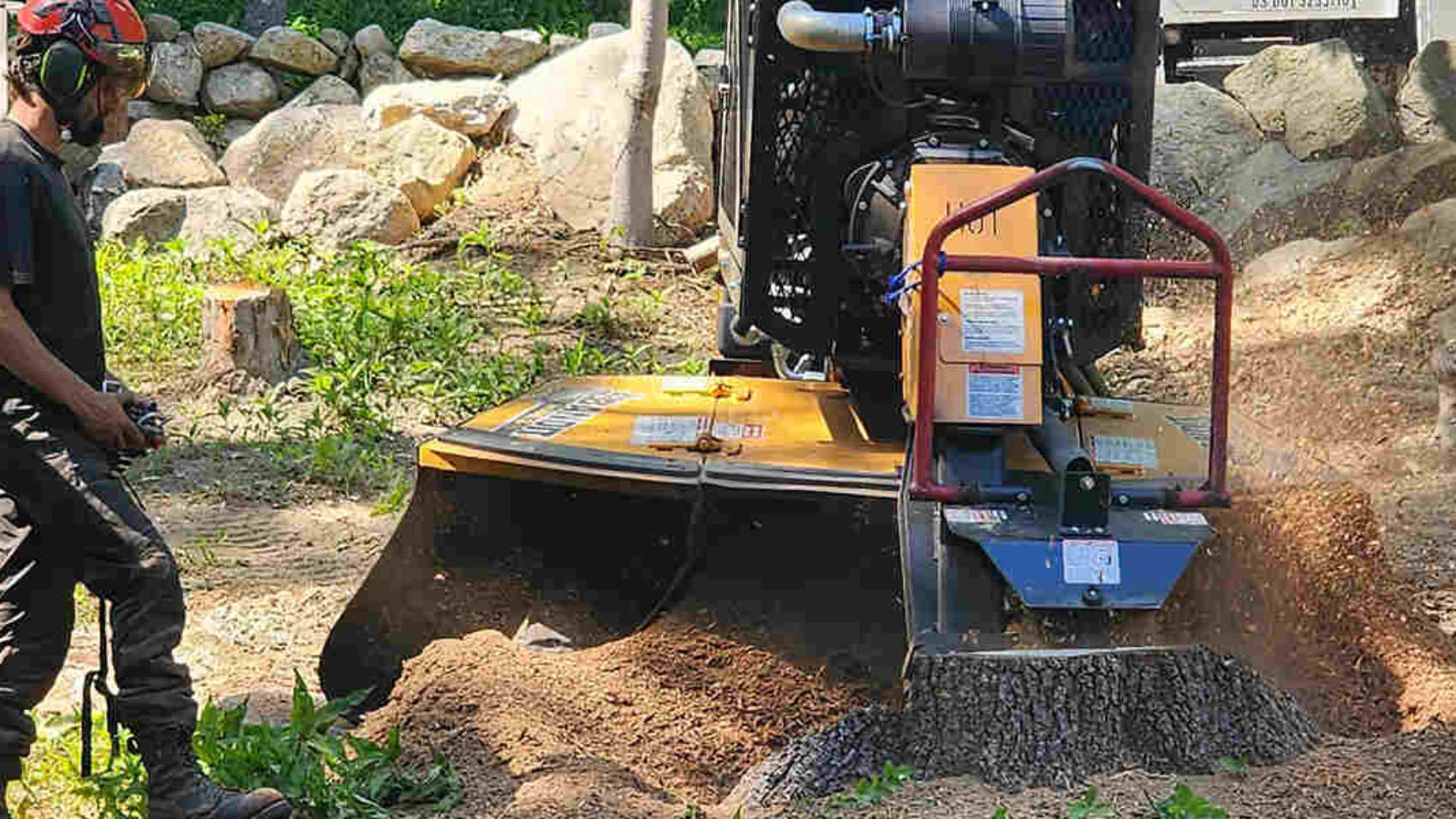
After cutting down a tree on your property, you might also need tree stump removal services. How far down does stump grinding go? The stump grinding depth usually reaches several inches below the ground, but it depends on the plans you have for the space. Professionals offering tree stump removal in Wellesley, MA, can give you an accurate estimate for the depth of the grinding work.
how far down does stump grinding go

Understanding How Stump Grinding Works

Stump grinding is the process of using tools to remove any remaining wood after cutting a tree. The grinding process also involves some of the roots just below the ground and directly under the trunk. 

You do not have to grind the roots elsewhere in the yard. Those roots will eventually rot away without the support of the tree and stump to create energy. However, the roots directly under the stump could generate sprouts.

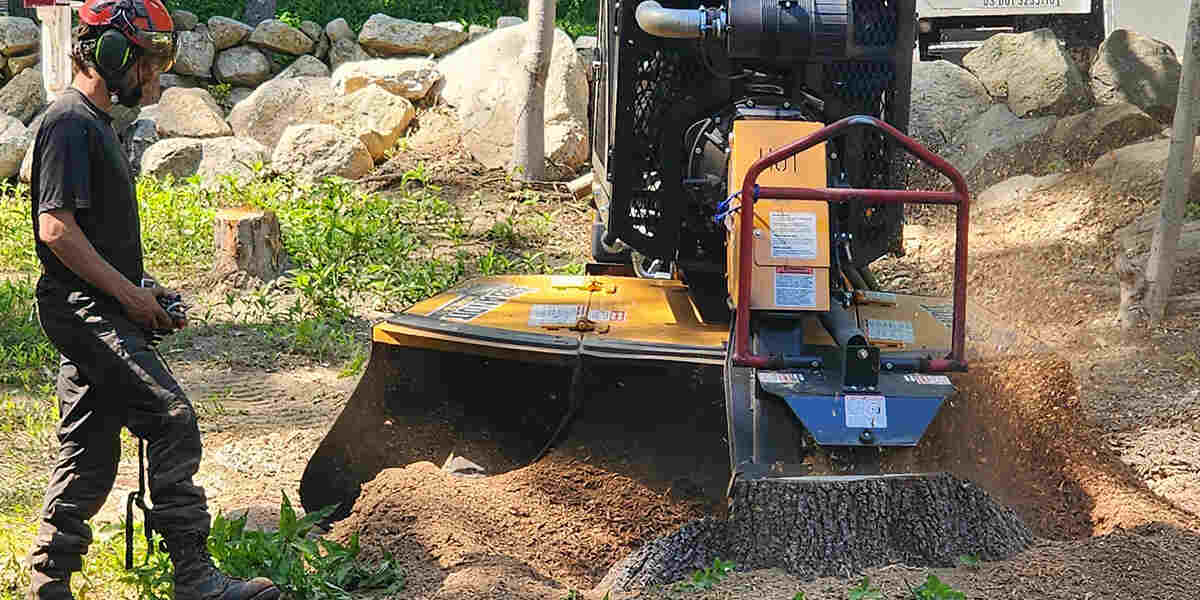
To grind the stump, professionals will use a stump grinding machine. The machine has a sharp blade or a rotating cutting wheel that steadily chips away at the wood. Working with a power machine makes the job go faster, but handheld devices are available to grind stumps. If the wood is hard and the dirt is firm, you might struggle to finish the work using a handheld device, though. 

Setting the Proper Depth for Stump Removal 

So, how far down does stump grinding go? At a minimum, you should grind 4 to 6 inches below ground. This depth should remove most of the wood and primary roots, allowing you to plant sod. You could leave the wood chips in place if desired. If you want to plant a flower bed or vegetable garden in the area, grind the stump between 6 and 12 inches in depth. 

When the plan is to replant a tree in the same space or install a fence with posts, you should remove the stump and roots to a depth of 12 inches. You should also remove the wood chips that the grinder creates.  

Why It’s Important To Grind Under the Stump

You should remove all the visible wood from the stump, as well as some of the material under the ground. Some of the wood in the stump will be below the ground, so you’ll want to grind all of it. Additionally, removing some of the primary roots under the stump prevents the tree from growing back. Without cutting out the primary roots, you might notice sprouts popping up where the stump used to be. 

Our Experts at Brooke Tree Service Can Remove Problematic Trees and Stumps

Don’t worry about the hassles of renting tree maintenance tools to try to grind stumps. Additionally, don’t ask yourself, “How far down does stump grinding go?” Instead, let the experts at Brooke Tree Service do the work for you. We have the equipment and skills for efficient and effective stump grinding. 

If you need help with a stump grinder guide or understanding the benefits of stump grinding, contact us today. We also offer any other tree-care services you need. For a free estimate, call us today at (508) 613-5044.
can pruning a tree kill it

Can Pruning a Tree Kill It in Walpole, MA?

Caring for a healthy tree may occasionally require pruning it. But can pruning a tree kill it? This is one of the risks of pruning a tree too heavily, which is why relying on experts offering tree services in Walpole, MA, for any pruning tasks is the best option. 

can pruning a tree kill it

How Pruning Works and Why It’s Important

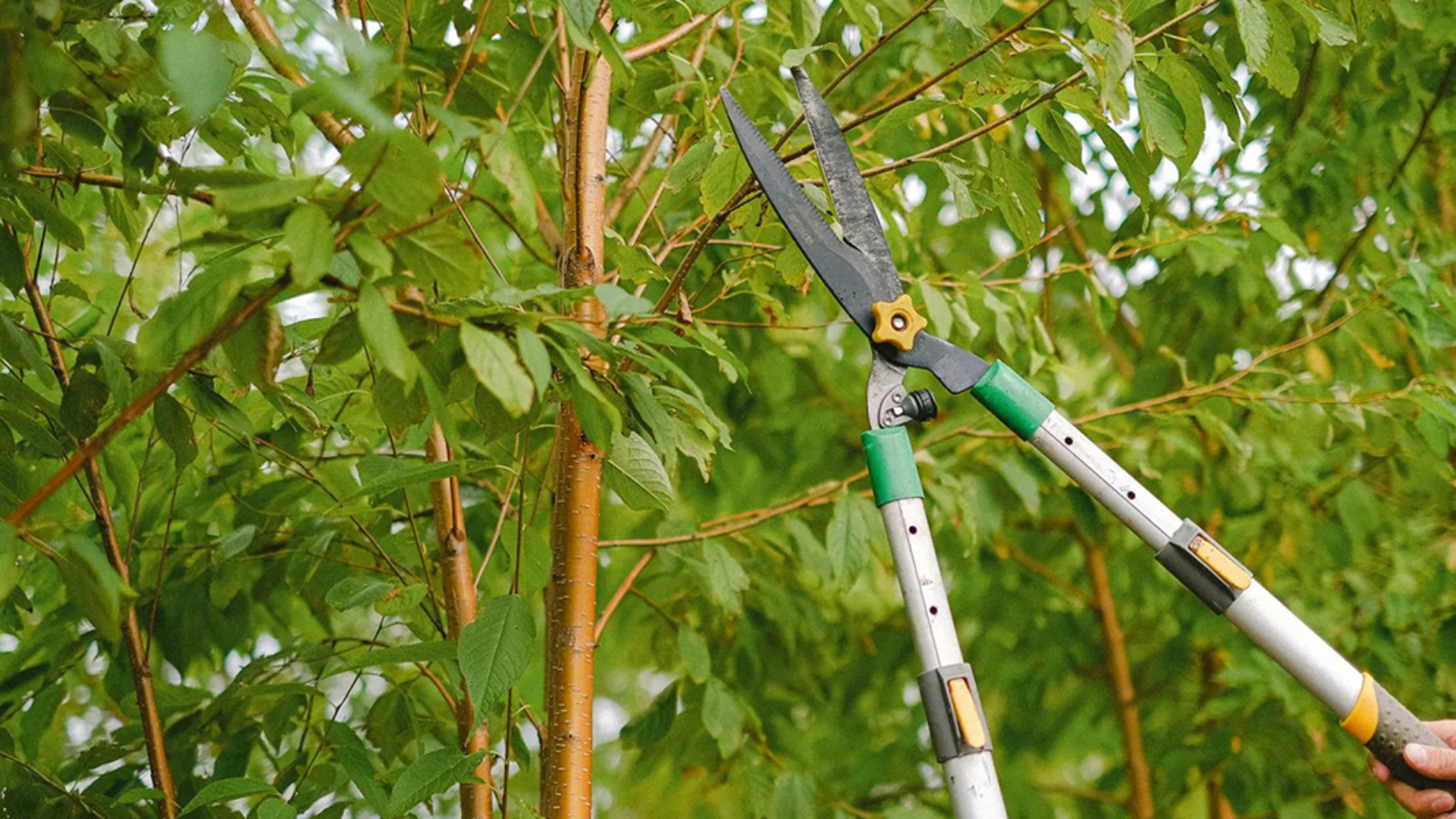
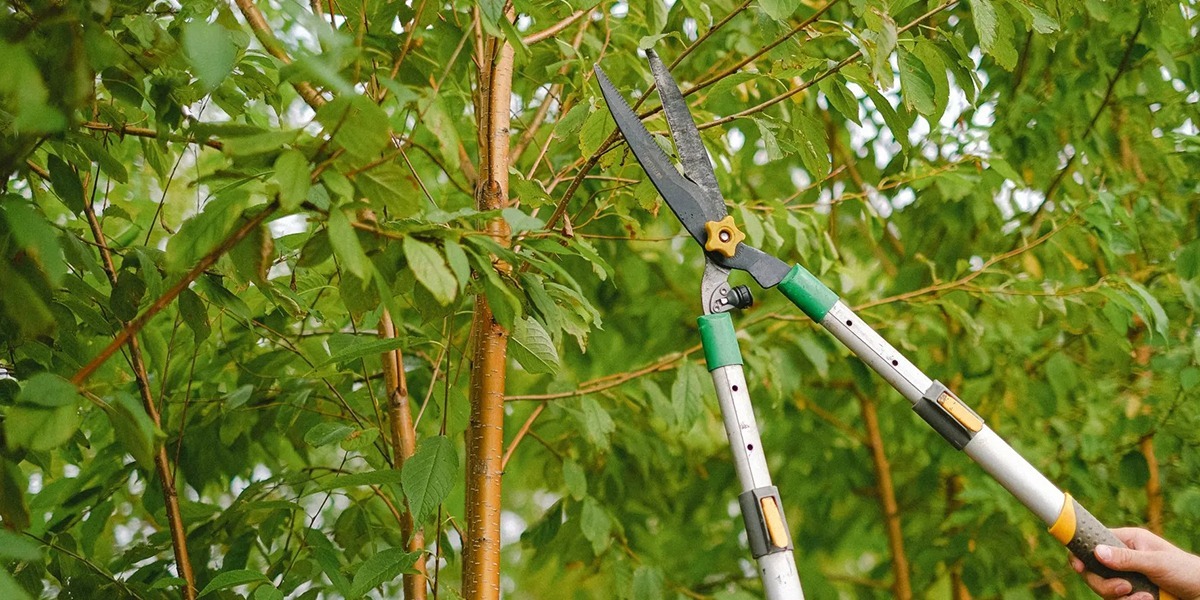
Pruning removes branches throughout the tree to guide its growth in a certain direction or to create a particular shape in the canopy. 

Why is pruning important? It can remove branches from sections of the tree where the leaves are too thick and affect healthy growth. Pruning helps air and sunlight reach more sections of the tree. Following proper pruning techniques keeps branches healthier and reduces the need to cut out dying branches as the tree ages.

Why Improper Pruning Could Kill a Tree

Tree death from improper pruning is a possibility. If a novice homeowner removes too much foliage from the tree at once, it may go into shock with damage from over-pruning. It might be unable to create energy through photosynthesis. Poor trimming techniques also increase the risk of pest or disease infestations.

If you prune too little of the tree, you probably won’t harm it. However, you may not receive the benefits you’re seeking, either. Under-pruning might leave its structure weakened, which could slowly place its health in jeopardy during the next few months and years.

Improper pruning techniques can involve several other errors, such as cutting branches and limbs at the wrong time of the year. Cutting too many branches in the upper or lower canopy can leave the tree lopsided, increasing the risk of falling in a windstorm. Problems with flush cuts can create hollow spots in the main limbs.

Different Tree Species Require Specific Pruning Techniques

It’s important to trim certain species of trees at the right time of the year. Oaks should not undergo trimming during warm months because they are especially susceptible to oak wilt disease. 

Birch trees create a lot of sap during pruning, which can draw insects to the areas of the cuts. You should avoid making these cuts at times when insects are more active. You can do minor pruning in spring and summer with birches.

The dangers of pruning at the wrong time of the year with fruit trees can affect health and fruit production. Trees that produce stone fruits need pruning in summer to reduce the risk of disease exposure. However, pear and apple trees usually perform better with spring or early summer pruning.

At Brooke Tree Service, We Offer Safe Tree Pruning Techniques You Can Trust

Don’t spend time worrying about causing damage from over-pruning and asking yourself, “Can pruning a tree kill it?” Instead, let the experts at Brooke Tree Service keep your trees safe with proven pruning services. We can explain the dangers of pruning at the wrong time and eliminate the risk of making DIY mistakes.

Deciding between tree trimming and pruning tools and techniques is unnecessary when Brooke Tree Service is working for you. Call us today for a free cost estimate at (508) 613-5044.

how to prepare new trees for winter​

5 Tips on How To Prepare New Trees for Winter

When a New England summer comes to an end and temperatures start to dip, the trees in your yard will begin preparing for winter just like you do. As you start pulling out your sweaters and boots from storage to face the cold, it’s a good time to give your trees some protection against winter’s chill. 

Here are some practical winter tree care tips from the experts in tree services in Needham, MA, on how to prepare new trees for winter so they come back better than ever in the spring.

how to prepare new trees for winter​

1. Give Them a Good Long Drink

Before the ground freezes, give your newly planted trees one last deep soak to help the roots store enough moisture to survive the cold. This is particularly important when it’s been a dry autumn.

A good rule of thumb? Give the tree a gallon of water for every inch of trunk diameter.

2. Spread Mulch To Protect the Roots

A fresh layer of mulch acts like a warm blanket for your trees. Spread two to four inches of mulch around the base, leaving a few inches of space between the mulch and the trunk to prevent rot. Not only does preparing trees for winter with mulch keep the soil warm and moist, but it also reduces the risk of damage from freeze-thaw cycles. As it breaks down, it releases nutrients into the soil that will help the young tree grow.

3. Wrap the Trunks

Tree services often recommend wrapping trunks for homeowners who ask how to prepare new trees for winter. Young trees, especially maples or birches, with thin bark, can suffer from sunscald or develop frost cracks during winter. Wrapping the trunk with a breathable fabric tree wrap or burlap helps shield it from harsh sunlight and temperature swings. 

4. Prune for Health and Structure

Late fall or early winter is the ideal time for winter pruning and maintenance. Removing dead or weak branches helps keep heavy snow or ice from breaking branches and damaging the tree. Pruning also improves air circulation and gives your trees a clean start for spring growth

5. Guard Against Pests and Animals

Cold weather can drive wildlife seeking food and shelter to your trees. Mesh guards or tree wraps can help deter rodents, deer, or rabbits from chewing on bark and branches. Many homeowners overlook this step for protecting trees in cold weather, but it makes a big difference in keeping young trees intact.

Are You Ready To Winterize Your Trees?

Winter doesn’t have to take a toll on your landscape. By following these steps and getting essential tree care services from an arborist, you can ensure your trees stay healthy every season.

If you’d rather leave the heavy lifting to the pros, Brooke Tree Service in Needham, MA, is here to help. Our team can provide a tree winter preparation guide, advice on how to prepare new trees for winter, and services from pruning and wrapping to inspections and maintenance.

Call Brooke Tree Service today to schedule your winter tree care appointment and keep your trees healthy, even in harsh New England weather.