how to brace a large leaning tree​

How To Brace a Large Leaning Tree

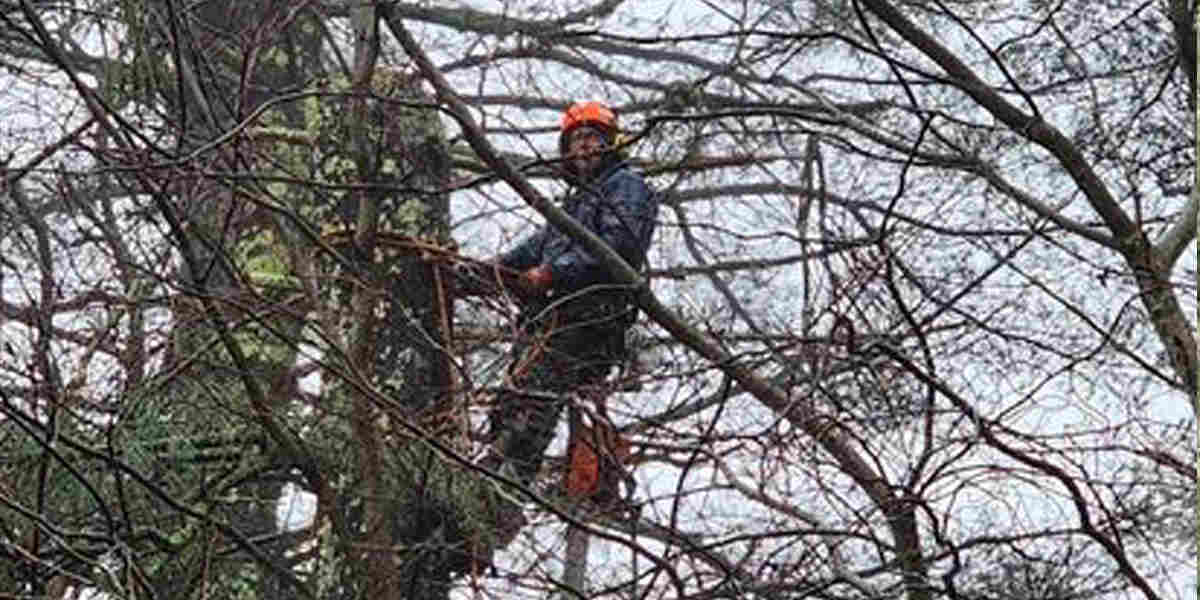
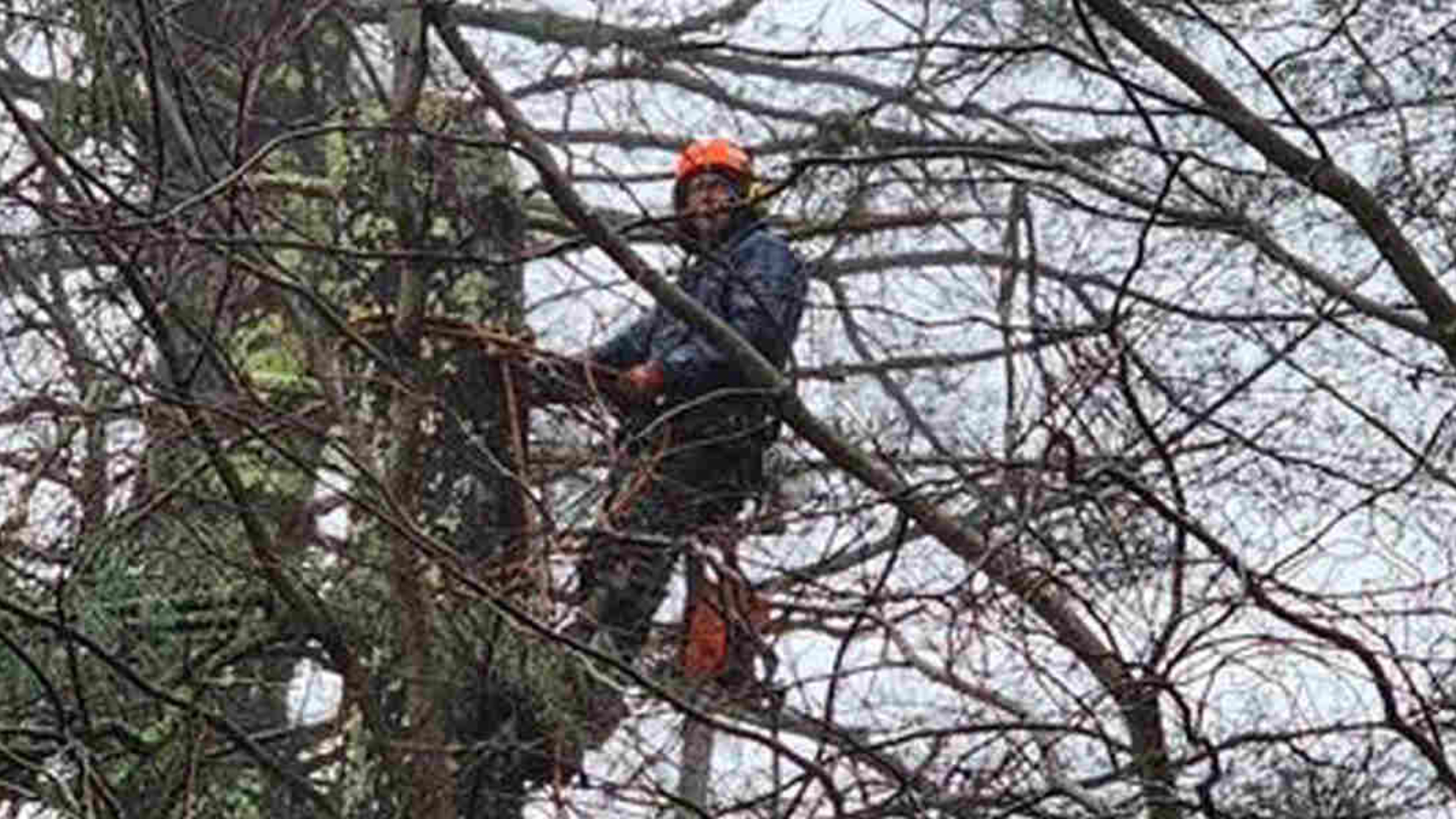
Although many trees grow tall and upright, many others grow at an awkward angle. Trees that lean naturally aren’t often hazardous, but if a once-straight tree begins to lean, it could be potentially dangerous. Knowing when and how to brace a large leaning tree can often restore the plant’s structural integrity, so a professional inspection is important.

Brooke Tree Service provides tree services in Wellesley, MA, including cabling and bracing. Our guide below explains how to implement effective structural support for leaning trees.
how to brace a large leaning tree​

Are Leaning Trees Dangerous?

Some trees just grow skew, thanks to years of wind or similar environmental factors. However, suddenly leaning trees reveal a more urgent problem. If there are root or structural problems, any intense wind, heavy impacts, or oversaturated soil after the next downpour might easily cause that angled tree to topple!

A tree that falls could cause substantial property damage and injuries. Straightening a leaning tree via tree cabling and bracing services brings the support it needs to stay upright.

Warning Signs Indicating the Need for Tree Stabilization

Before learning how to brace a large leaning tree, it’s helpful to understand when the service will become necessary. If insufficient sunlight and pest infestations have caused your tree’s structural problems, tree bracing and cabling may not be suitable solutions. On the other hand, cabling or bracing is a perfect solution if you see:

  • Storm damage: Did your tree take on a lopsided appearance after a major storm? Broken branches or a fall is likely. Support rods will provide stabilization.
  • V-shaped trees: Mature trees with two primary stems (a V-shape) tend to split and fall. Professional bracing and cabling services are a must.
  • Horizontal branches: Are overextending branches growing horizontally? Their weight could put undue stress on the tree, which could fall over.

If you notice a large tree on your property has a noticeable slant, you should not wait to schedule bracing and cabling services. The longer you wait, the more hazardous the tree can become.

How To Handle Tree Bracing and Cabling

Wondering how to brace a large leaning tree safely? Tree care experts take these steps:

Step 1: Use stakes to brace the tree: 

Insert three stakes about 18 inches into the soil. Pointing them toward the tree at a 45-degree angle. 

Step 2: Straighten the trunk: 

Is the soil around the tree soft enough? Correct the tree’s position with a bit of force. Gradually increase the force to prevent the trunk from uprooting.

Step 3: Anchor the plant in its new position: 

Secure the tree in its new position. Experts use high-grade cables or straps attached to the stakes.

Turn to Brooke Tree Service for Professional Leaning Tree Corrections

Here at Brooke Tree Service, our licensed and experienced technicians know exactly how to brace a large leaning tree. Our tree care company uses industry-leading materials and techniques to ensure the healthy growth of plants in and around Wellesley, Massachusetts. If you need help cutting a leaning tree or bracing it with support rods, we’re your team.

Call (508) 613-5044 to speak with a Brooke Tree Service team member and schedule an estimate.
cabling a tree

What Is Tree Cabling and When Is It Necessary?

You might not have to cut one or more of your trees down entirely if you notice them leaning after a storm or growing in a way that creates an uneven load distribution in their canopies. Bracing and cabling a tree can restore stabilization and encourage healthy plant growth.

Brooke Tree Service offers tree cabling and bracing as part of our comprehensive tree care services. Below, our reliable tree service in Natick, MA, explains why this tree care is important.

cabling a tree

What Is Tree Bracing and Cabling?

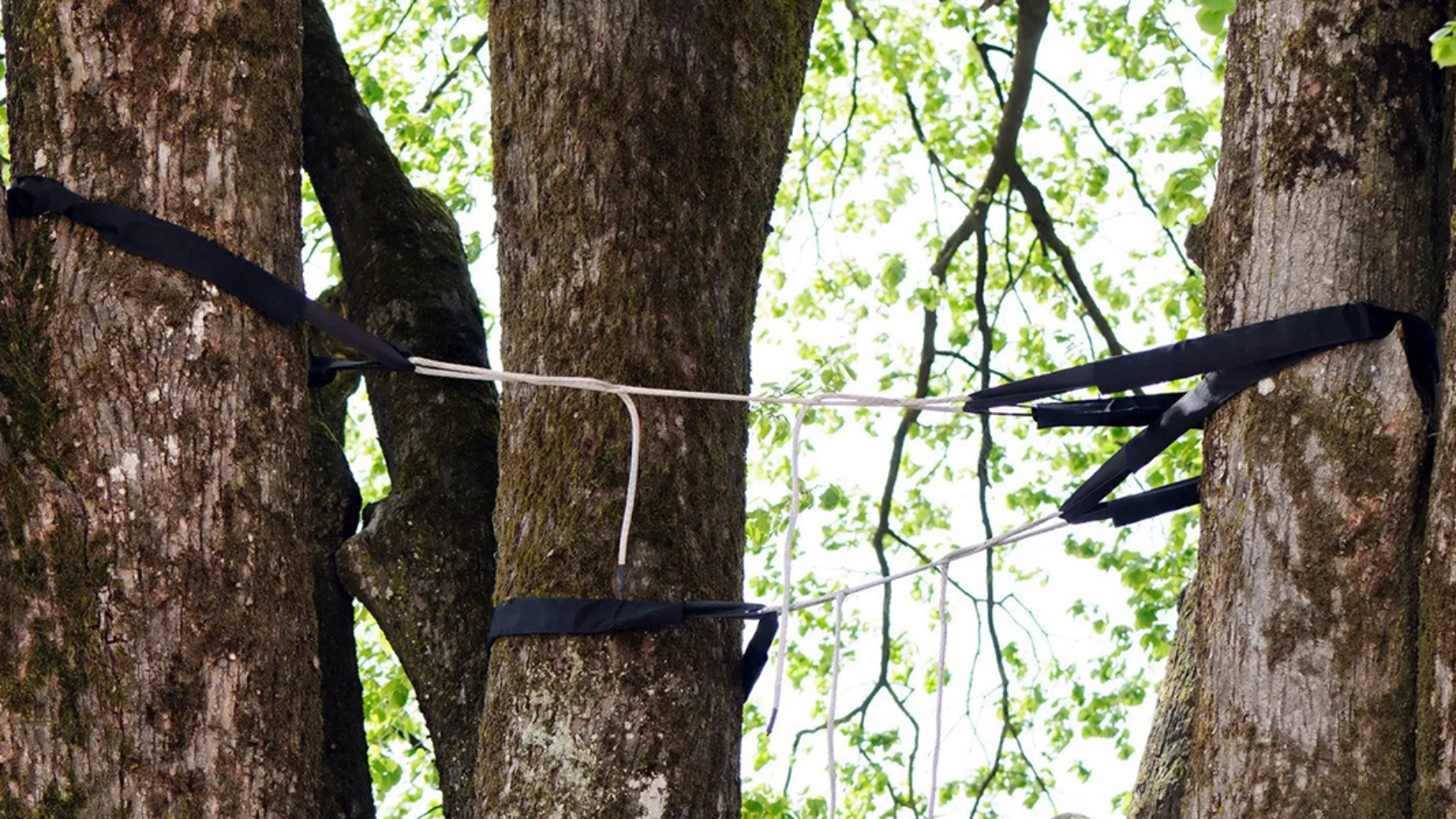
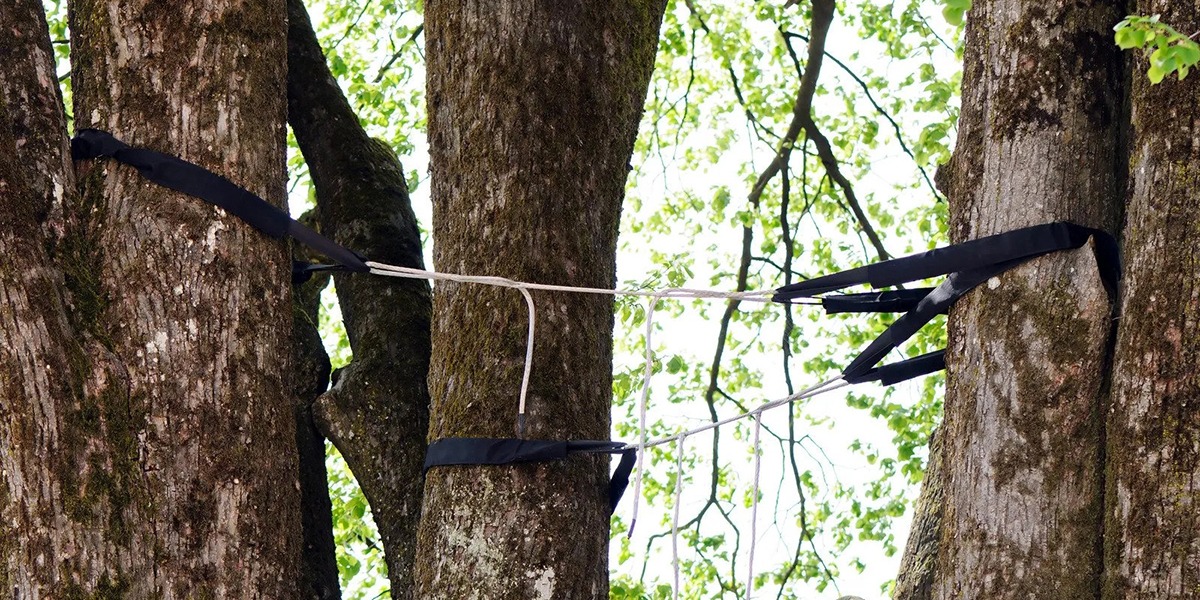
Tree cabling and bracing are ways arborists give damaged or weak trees extra support and stability. When cabling a tree, professionals use durable yet flexible steel cables that limit the movement of large branches and reduce the risk of branch failure from high winds.

Bracing stabilizes tree trunks and large limbs to prevent cracking and splitting. The braces are unmovable rods that often go under the cables to support weak points within the tree. However, dynamic bracing allows for some natural tree movement due to wind.

Top Benefits of Tree Cabling

Though trees can experience many kinds of structural problems, it doesn’t mean there’s no hope for the plant. Cabling a tree can save it and provide many benefits.

Longer Tree Lifespan

The right canopy stabilization method and tension adjustments to cables and braces around tree trunks can help weak trees grow stronger. This support system allows the tree to recover from damage while protecting it from additional harm. As such, trees can have a longer, healthier life with professional cabling and bracing.

Improved Safety

A tree with considerable damage or structural weakness could lose its limbs or collapse, which could cause serious injuries or major property damage. Bracing and cabling a tree keeps its trunk from splitting and its limbs from breaking. Both techniques restrict tree movement effectively, even in bad weather.

Better Healing

Your tree could benefit from cabling and bracing despite its existing damage. These stabilization procedures can help your tree heal naturally by preventing further damage and limb loss.

How Cabling and Trimming Improve Tree Health

Tree cabling and bracing work well with other tree care services like trimming and pruning. Cabling supports trees internally, while trimming addresses problems within the plants’ external structure. Incorporating these services together gives trees the best chance at recovery and stability in the following ways:

  • Mitigating hazards by removing dead, diseased, or decayed limbs that could break and fall
  • Reducing tree stress by pruning heavy or overextended branches
  • Balancing growth by trimming the tree in a way that promotes healthy growth while minimizing the need for additional cabling

Call Brooke Tree Service Today and Give Your Tree the Care It Needs

Whether a tree on your property needs limb reinforcement or structural support, you can get the help you need from our professionals at Brooke Tree Service. We have more than 15 years of experience providing comprehensive tree care services in Natick, Massachusetts, including arborist services, tree cabling, tree trimming, and stump grinding.

Do you need help cabling a tree or want to know what an arborist is? We can help—call (508) 613-5044 today.