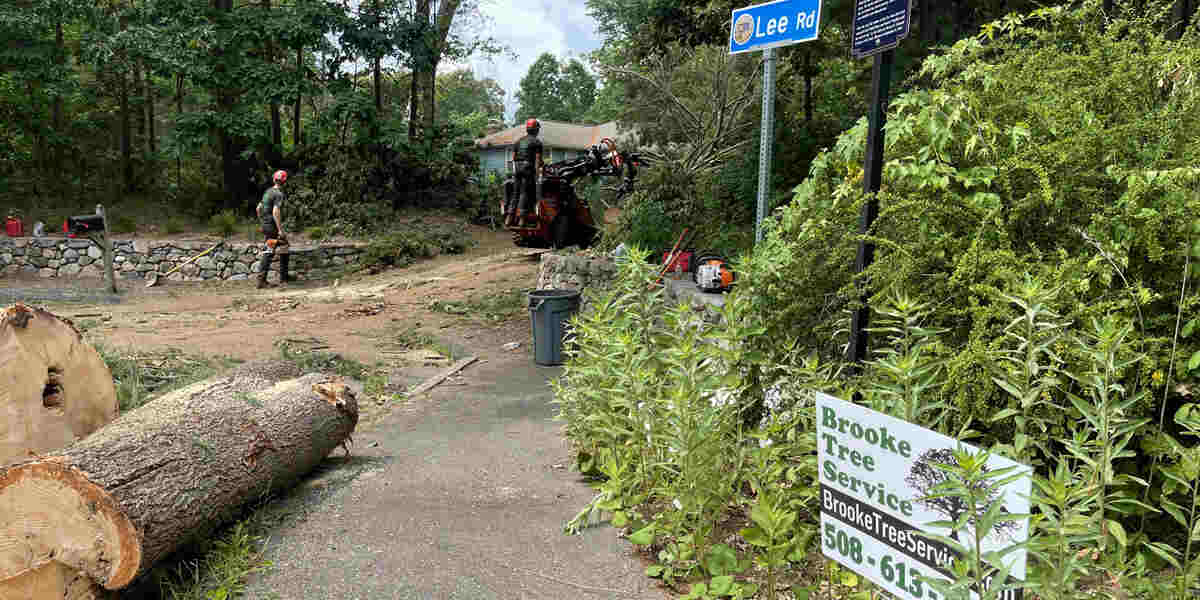
benefits of planting trees

The Environmental and Financial Benefits of Planting Trees

You’re probably at least vaguely familiar with the benefits of planting trees, like ample shade during hot weather, and their role in adding oxygen to the atmosphere. As your reliable tree service in Millis, MA, Brooke Tree Services knows that your property’s specimens may have more personal benefits for your family. Explore some surprising financial and environmental tree perks below. 
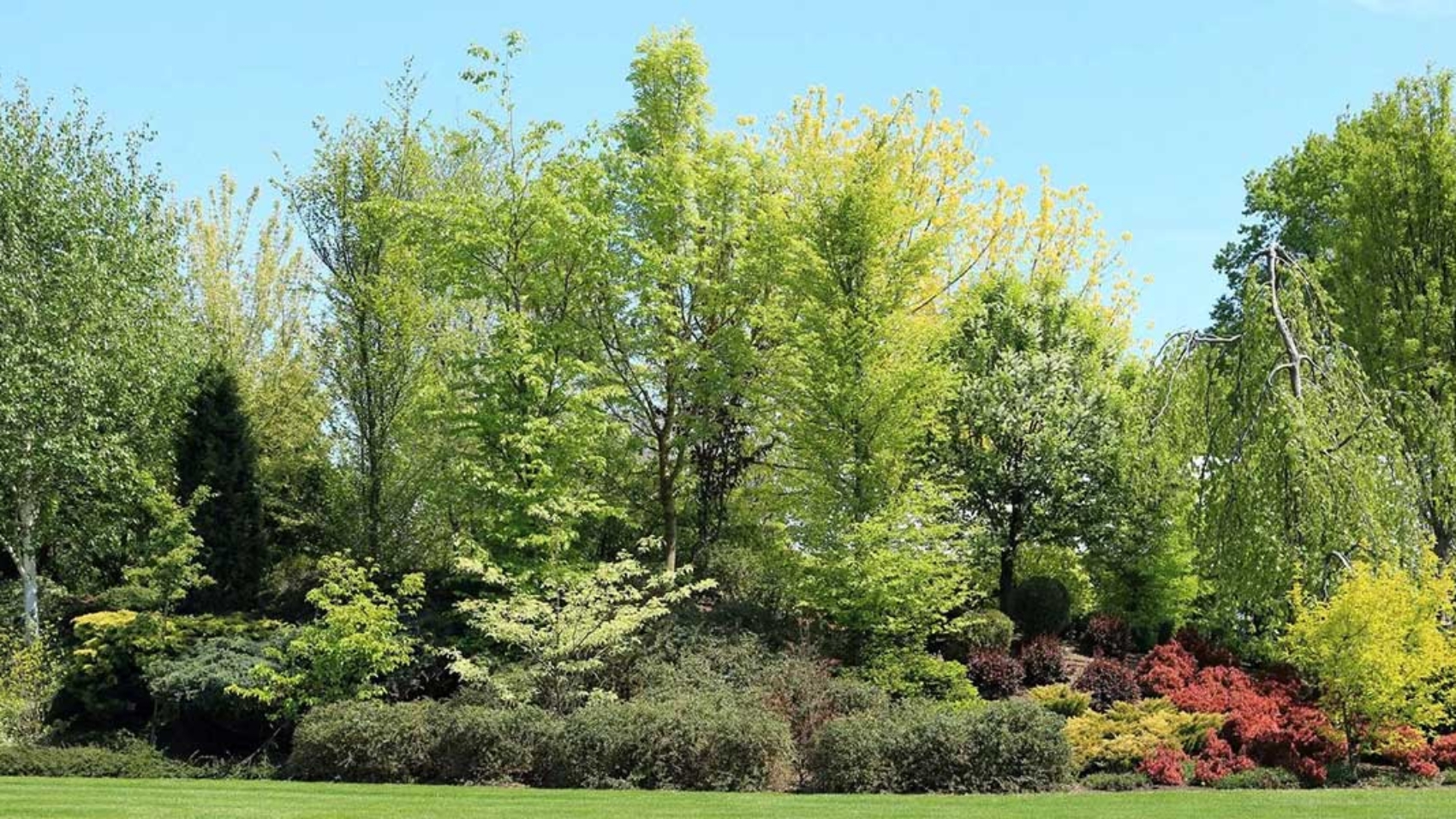
benefits of planting trees

You May Lower Your Utility Bills

If you own a stand-alone residential or commercial building, consider planting trees around it. An arborist can help you pinpoint the safest distance. Trees provide shade to houses and businesses, which keeps them cool during sweltering summers. Their coverage could lower your utility bills and keep some snow off your roof during frigid Massachusetts winters. 

You’ll Breathe Fresher Air

Plants inhale carbon dioxide and exhale oxygen. Since trees are among the biggest plant species, they offer substantial carbon storage. They are living air purification systems that filter pollution from the atmosphere. 

Cleaner air outside means healthier indoor air. If you have several beloved specimens surrounding your property, enjoy the benefits of planting trees by opening your windows during nice weather. Let that fresh air, courtesy of your oaks, pines, and other species, waft right into your home. 

You Will Conserve Water

How much water do you use to hydrate your lawn during hot, dry summers? Many property owners face exorbitant water bills yet struggle to maintain a lush green yard. Crispy grass decreases your property value and harms populations of beneficial insects, birds, and mammals. 

You Contribute To a More Diverse Local Habitat

Northwestern University’s trees enrich their native bird population. It’s not just birds that benefit from the leafy boughs, either. Countless native trees provide an extensive wildlife habitat for pollinators, reptiles, amphibians, and small mammals.

When trees bloom in the spring, they attract bees, wasps, and other beneficial insects looking for a snack after winter dormancy. In summer, squirrels and birds make their home in the shady, outstretched limbs. Many creatures use them as food sources and storage areas for their winter inventory. Not to mention that the fallen leaves provide shelter for beneficial bugs that might not survive the frigid temperatures otherwise. 

You Might Avoid Some Grocery Trips

Trees can feed pollinators and other critters with their blossoms, seeds, and foliage, but did you know that they can feed you? You might use your trees for sustenance in one of two ways. 

First, you can plant fruit or nut trees in your yard. Massachusetts is in hardiness zones 5a through 7a, which supports the following species:

  • Apple trees
  • Cherry trees
  • Fig trees 
  • Pear trees 
  • Hazelnut trees
  • Bread trees 
  • Almond trees

Next, trees assist with erosion control and shade. You might find these elements useful if you plant a garden bed on your property. The tree can prevent your soil from eroding and supply shade for sensitive crops. 

Learn More About the Benefits of Planting Trees From Brooke Tree Service in Millis, Massachusetts

The benefits of planting trees are endless. But can trees die of old age? Call Brooke Tree Service at 508-613-5044 for more answers in Millis, Massachusetts.
planting trees for wildlife

Planting Trees for Wildlife – A Guide for Medway, MA, Residents

One of the biggest dangers the environment is facing nowadays is habitat loss. Countless species around the globe are at risk of endangerment or extinction because of the destruction of their homes.

Adding trees to your yard is a small but effective way to help mitigate habitat loss by providing essential vegetation for species of all sizes. With that in mind, our team at Brooke Tree Service is here with this quick guide on planting trees for wildlife. 

When you need a tree service specialist in Medway, MA, give us a call!

planting trees for wildlife

Trees’ Role in the Environment

Trees play several crucial ecological roles and are a central part of ecosystem balance that supports biodiversity around the globe. Wildlife habitats depend on trees for several things.

Food Sources and Shelter

Most obviously, animals use trees for food, shelter, and their daily lives. Animals sustain themselves on tree fruits and foliage and use tree materials for various things.

Tree loss is directly detrimental to species because they contain so many things essential to species’ survival. Even humans rely on trees for things like timber used in construction. Tree’s importance is why they are central to sustainability efforts

Oxygen Production

Trees also play a crucial role in oxygen production. They suck up carbon dioxide waste products from living things and turn it into fresh oxygen for breathing. Carbon dioxide is not breathable and also contributes to higher global temperatures, so trees are essential for climate control and preservation. 

Clean Air

In addition to oxygen production, trees also help with cleaning the environment. They remove harmful pollutants and particulate matter from the air, such as nitrogen oxides, dust, and dirt. Trees’ activity makes the air cleaner to breathe, and tree root activity removes harmful substances from the soil and controls soil runoff. 

Best Trees to Plant for Wildlife in Massachusetts

Below are some of the best trees to plant to support native wildlife in Massachusetts. 

Oaks

Oaks are strong and are a habitat for hundreds of vital insect species. Red oak, in particular, is perfect for wildlife because it grows quickly and has a high tolerance for cold and drought. Red oak also produces acorns, which are a vital source of food for numerous species. 

Sycamore

Sycamores are another fast-growing North Atlantic tree species that is an important source of food for native species. Sycamore produces small fruiting bodies that are an important source of nutrients for deer, squirrels, and rabbits. 

Red Cedar

Red cedar is a tall, evergreen tree that supports several bird species. These species sustain themselves on cedar fruit, use its branches for shelter, and even offer pollinator support. Cedar is also a useful bulwark against wind shearing and can protect natural landscapes from erosion. 

Tree Services in Medway, Massachusetts

Whether you need to know how tree roots get into pipes or how to care for a dead tree, our team at Brooke Tree Service is here to assist. Contact us online or call today at (508) 613-5044 if you have any more questions about planting trees for wildlife!