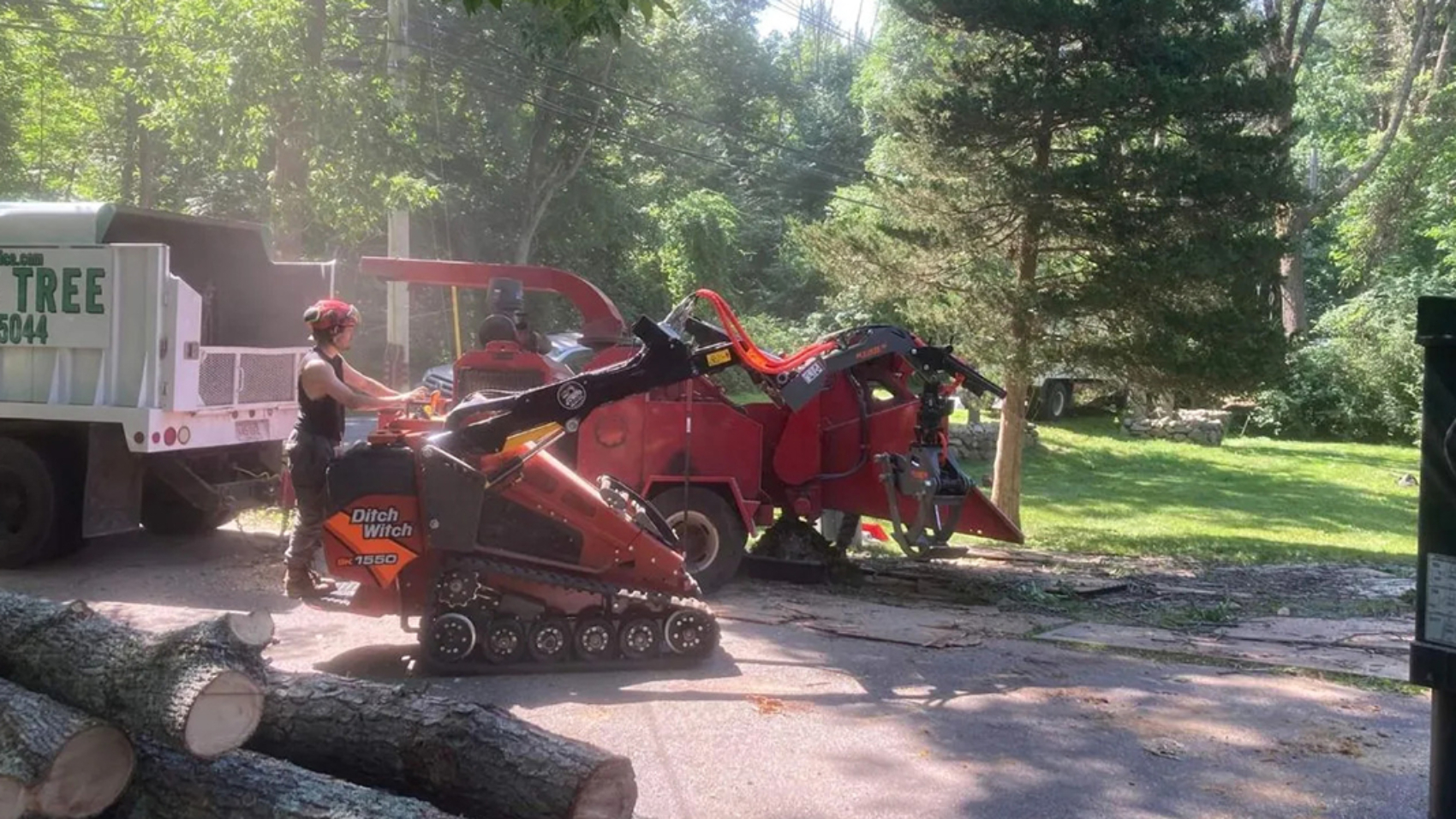
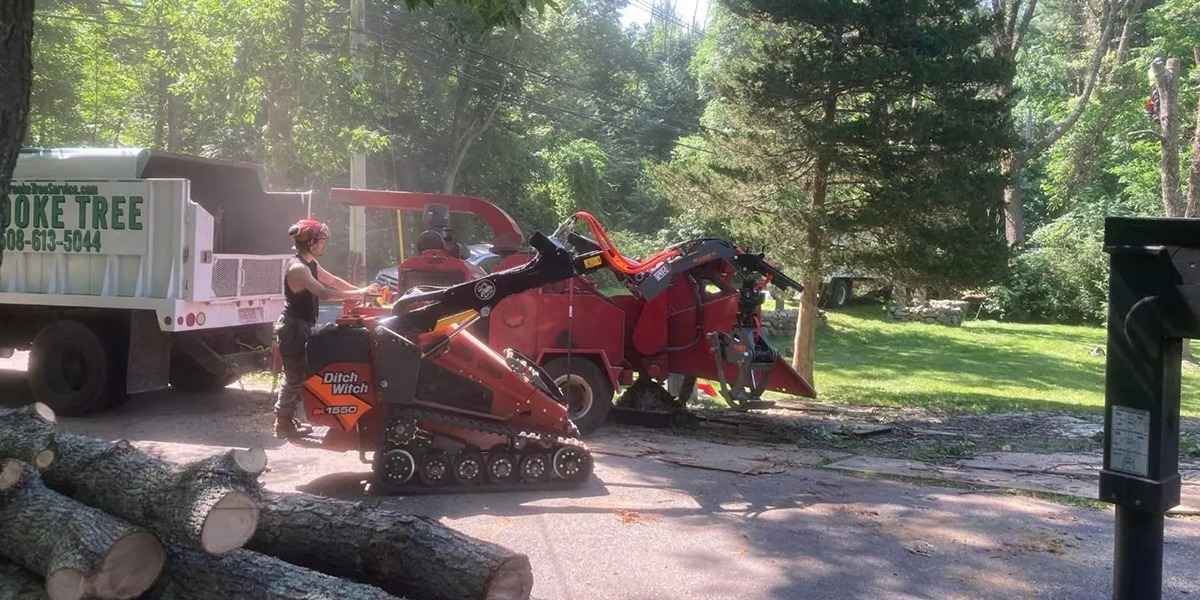
tree cutting vs tree removal

The Difference Between Tree Cutting and Tree Removal

Tree cutting vs. tree removal: which would serve your property better? Brooke Tree Service conducts all types of tree services in Natick, MA, so our arborists have plenty of experience to share as you make this decision. Let’s take a look at these two tree management approaches below.
tree cutting vs tree removal

The Nuances of Tree Cutting vs. Tree Removal

A dependable local tree service company will offer you numerous tree service options. How do you decide between tree cutting vs. tree removal? The decision depends on a few factors, including the company’s capabilities and equipment, your tree’s proximity to things, and the situation.

What Purpose Does Tree Cutting Serve?

Some service providers refer to pruning or trimming services as “tree cutting,” but you’ll more often hear it in reference to a full tree felling. In this context, tree cutting is generally a simpler service than “removal.” Here’s how cutting works:

  • The arborist makes a cut as close to the base of the tree as possible. 
  • They might cut out a full wedge, depending on the tree-cutting techniques they follow.
  • They make a final “felling” cut on the other side to encourage the tree to fall forward. 

A tree removal process is more complex. For example, the arborist doesn’t simply cut from the base to encourage the tree to fall.

What Is Tree Removal?

The tree removal process is more than felling. Instead, the team will carefully disassemble the tree, starting from the top and moving down bit by bit. 

First, they’ll remove the branches. Then, they cut the trunk away piece by piece, lowering each one down safely. Stump removal services often form part of the overall tree removal. 

Tree Cutting vs. Tree Removal: Which Do You Pick for Your Property?

When you’re choosing between tree cutting vs. tree removal, request a tree health assessment to verify whether the tree needs removal in the first place. Some specimens are weakened, but you can nurse them back to health. After that, discuss professional tree services and get some quotes.

Typically, tree cutting might work best if:

  • You have no power lines or building structures near the tree, so free-falling is safe. 
  • You don’t have to worry about passing traffic or people or have to request permission to section off any nearby roads or sidewalks.

Is your tree still at a manageable height and width? The bigger the tree, the more unpredictable the job. Unless you have a wide-open space for larger specimens to fall, consider removal services instead. 

Typically, tree removal costs a little more than cutting because the arborist must have more control over the removal service and safely maintain the surrounding area. Both services require cleanup and loading.

Brooke Tree Service Takes Care of Your Property With Safe Tree Removal Services in Massachusetts

Tree cutting vs. tree removal is an easy choice if you live in a residential or heavily populated area – let Brooke Tree Service take on the arduous task of dismantling damaged or dead specimens safely! If you’re considering tree removal services in the area, call 508-613-5044 for your free service estimate from our tree professionals!
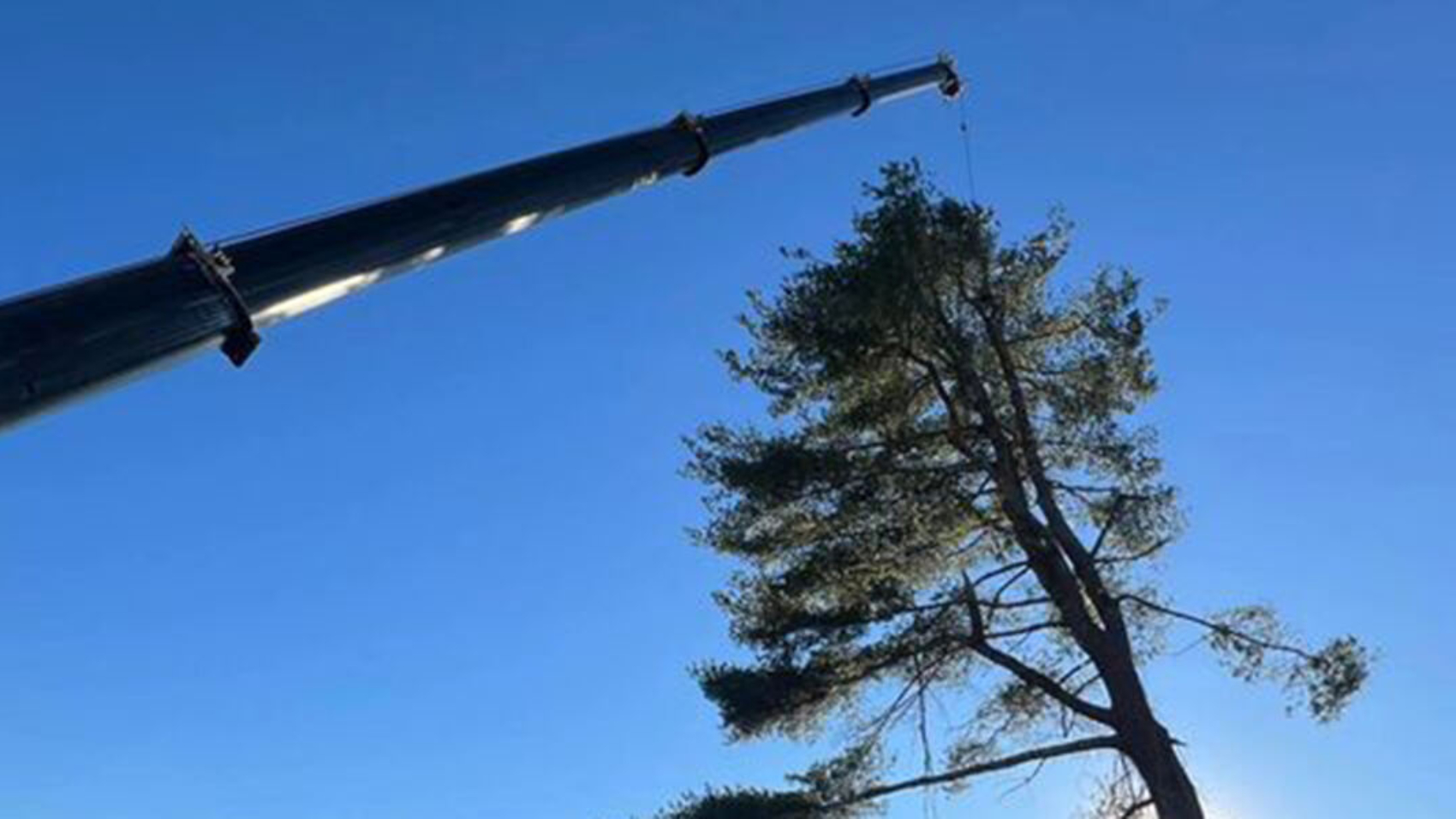
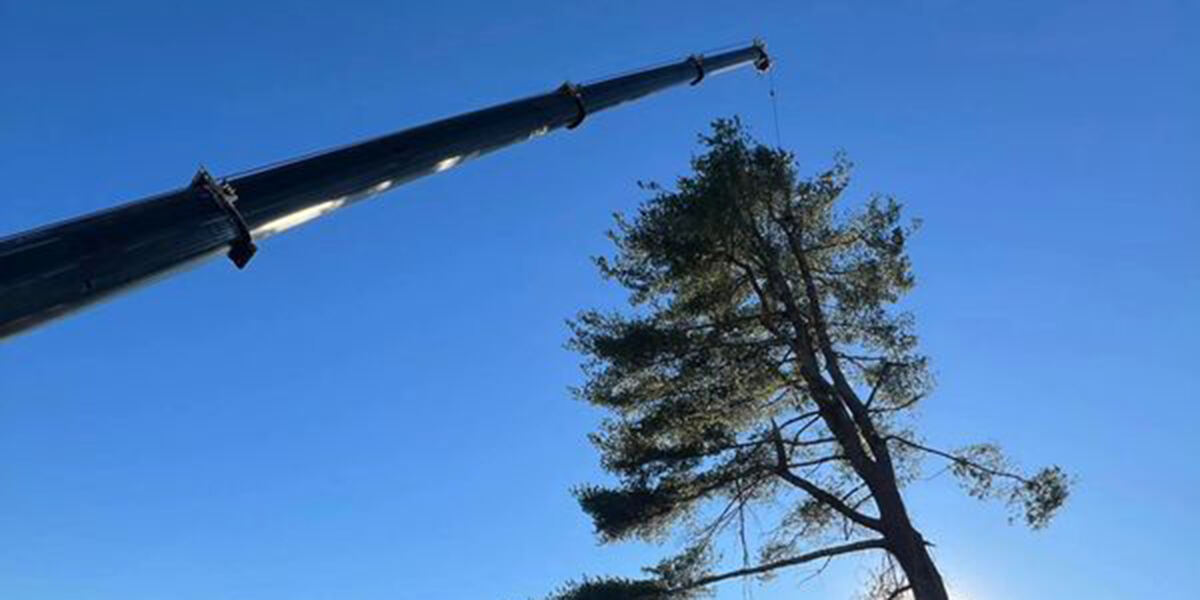
tree removal process

A Step-By-Step Guide to Tree Removal

If you have a dead or dying tree on your property, you have probably thought about removing it yourself. If the tree isn’t too large or wide, you may be able to handle some elements of the removal on your own. 

This step-by-step guide on the tree removal process will tell you what an arborist might consider and look out for when getting a dead tree out of your yard. You may also contact Brook Tree Services today for the best tree service in Medfield, MA.

tree removal process

Gather Equipment

First, for equipment preparation, you will need:

  • Gloves and goggles for safety precautions
  • Hardhat
  • Ear protection
  • Chainsaw
  • Ropes
  • Axe (optional)
  • Shovel

Do not attempt tree felling without the requisite safety equipment, or else you could injure yourself. 

Clear Space Near the Tree

Basic tree removal guidelines say you should perform a site assessment and clear a space as large as twice the height of the tree around the trunk. You want to move all vegetation, such as plants and bushes, and any yard fixtures. 

Specifically, you want the most space in the direction that you will eventually fell the tree. The falling tree can cause damage if you do not clear enough room when removing it. 

Remove Dead Branches

Before felling the tree, you should remove dead branches to make the job easier and less messy. Larger dead branches could snap off and cause injury when the larger trunk falls. 

Experts will remove any branch that is longer than a few feet, if possible. If the branches are still springy and cannot snap off, you can tie them down and secure them to the trunk to prevent them from getting in the way.

Cut a V-Shape

When it’s time to actually cut the tree, the arborist will start making a V-shaped notch with a chainsaw that faces the direction you want the tree to fall. 

Start at an angle and cut with the chainsaw until you are about a third of the way through the thickest part of the trunk. Take the chainsaw out and start making another cut at an angle about a foot below the first one. Once the two cuts connect, remove the wooden wedge. 

Cut the Back

Next, use the chainsaw and cut a small notch in the back of the V-shape. Then, cut horizontally into the trunk about eight inches deep. You may have to push the tree to get it to fall completely. 

Limbing and bucking can cut the tree into smaller manageable parts for removal. 

Remove the Stump

After the trunk is down, use the chainsaw and an axe to cut the stump and roots. If necessary, you can use the shovel to dig up the roots before mulching them with the chainsaw. Don’t leave the stump in your yard, as it can attract pests and tree disease. 

Tree Removal Services in Millis

Brooke Tree Service is committed to excellence and empowering our community in Medfield, MA, with our high-quality tree services. If you would like to learn more about the tree removal process or tree death causes, contact us online or call (508) 613-5044.