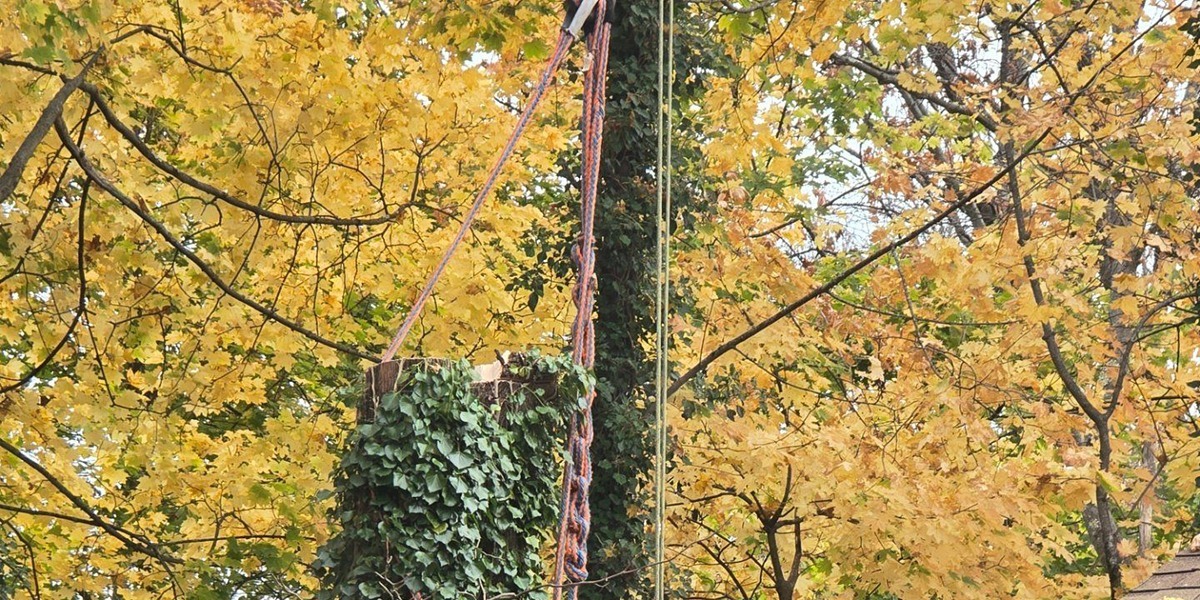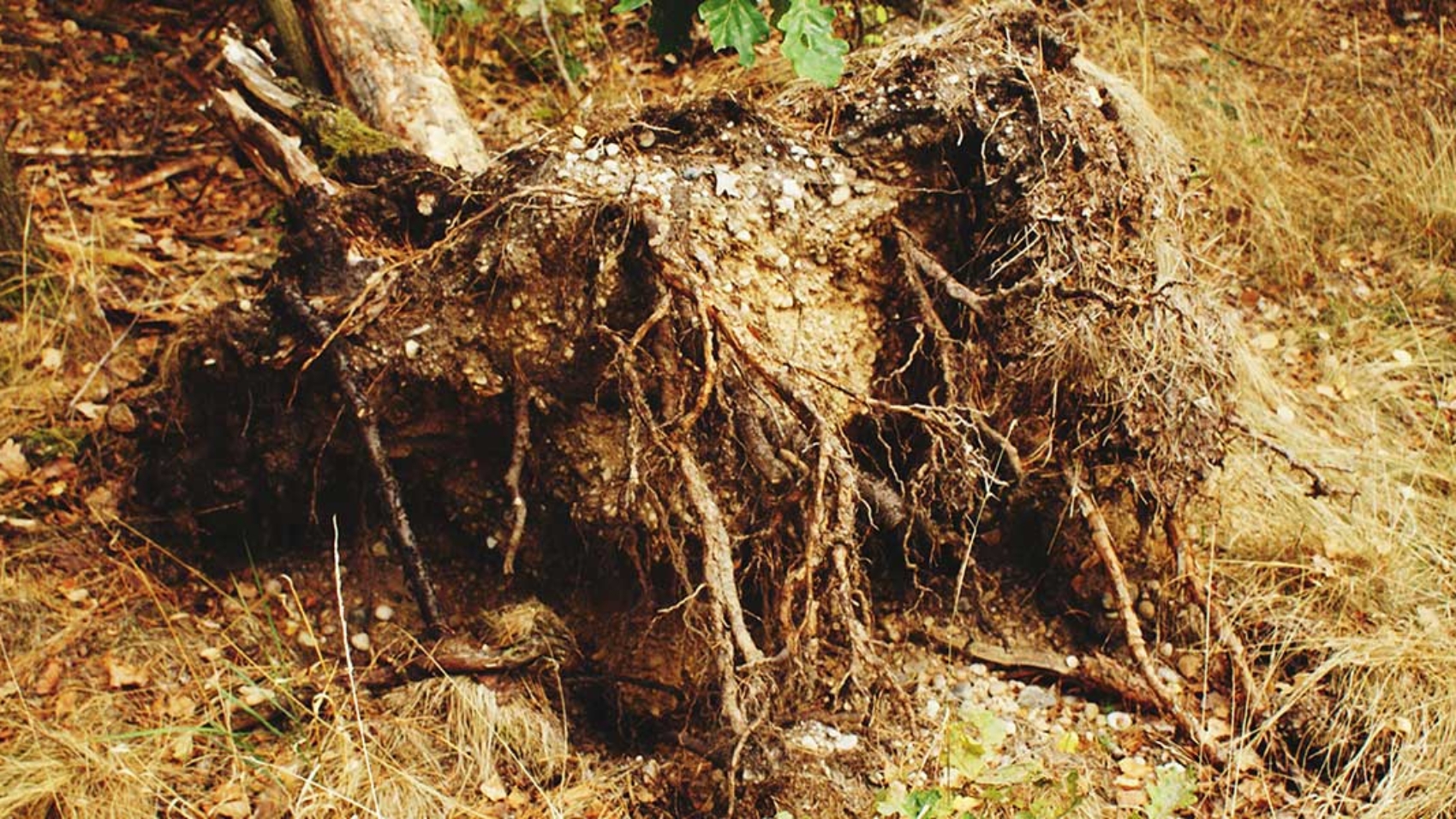
what causes root rot in trees

What Causes Tree Roots To Rot?

While there’s a lot that needs to go right for your tree to remain beautiful and healthy for as long as possible, its roots are one of the most important factors. Unfortunately, root rot is a problem some homeowners must deal with.

What is root rot, and what causes it? Is there a way to fix the issue? This post aims to answer these and more questions.
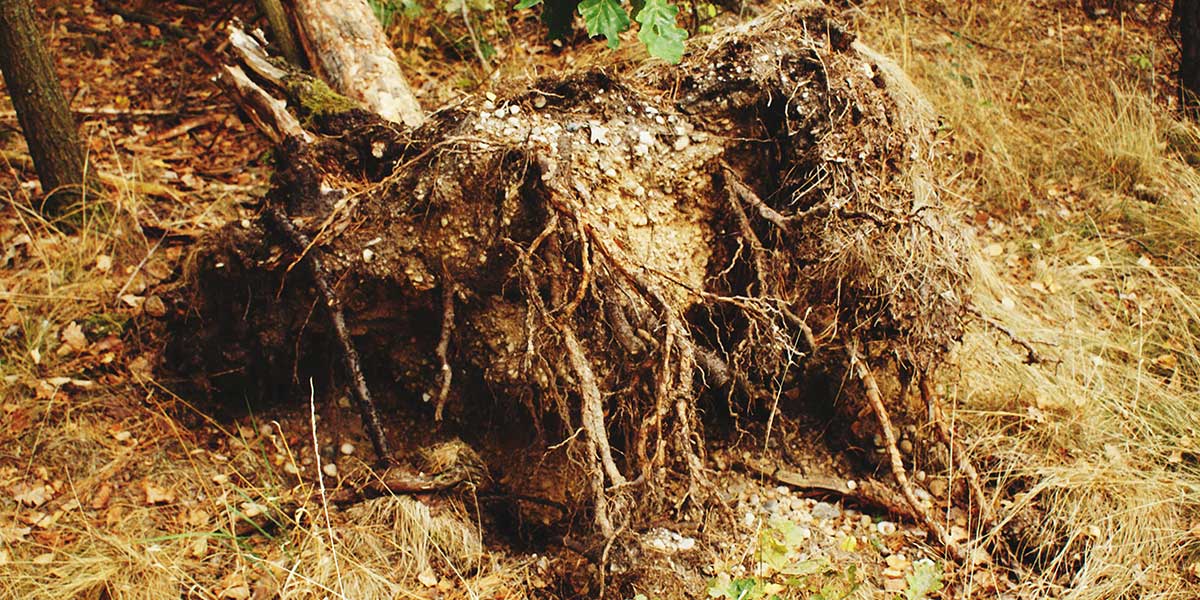
what causes root rot in trees

What Is Root Rot?

Root rot is a devastating fungal disease that attacks a tree’s roots, causing them to decay. As a result, the disease can lead to worrying signs in the tree, such as:

  • Wilting leaves
  • Leaf discoloration
  • Premature leaf drop
  • Canopy dieback
  • Stunted growth

Without prompt action, root rot will lead to the gradual decline of your tree’s health and, ultimately, its demise.

What Causes Tree Roots To Rot?

While root rot is caused by fungal pathogens such as Armillaria, Fusarium, and Phytophthora, these only thrive under specific conditions. The factors below help create those conditions.

Overwatering

Excessive moisture in the soil is the primary culprit, as wet environments are ideal for fungal growth. The fungi can harm a tree’s roots, slowly weakening its defenses and leading to decay.

Poor Drainage

Not all soils are the same. Some types allow water to drain quickly, while others retain water for longer periods. Soil with poor drainage increases the likelihood of overwatering and exacerbates any issues that may arise as a result.

Soil Compaction

Are you living in an urban area? The presence of nearby structures, such as roads, buildings, and walkways, can cause your soil to become more compacted. This compaction can inhibit water flow, leaving you with soggy soil, which is a common cause of root rot in trees.

Oxygen Deprivation

Excessive moisture isn’t the only culprit. Poor air circulation can also cause root rot. This is because the lack of air leads to root suffocation, impacting the roots’ ability to metabolize and grow. The weakened state of the roots, coupled with a lack of oxygen, allows fungi to take over.

Treating and Preventing Root Rot

If you catch it early, you can treat root rot by scheduling professional tree services in Millis, MA. A certified arborist will evaluate your tree’s condition and try to save it by pruning the infected roots. They may also apply chemicals to the base of your tree to reduce the level of infection.

Your best course of action, however, will always be to try and prevent the disease by:

  • Ensuring proper drainage
  • Giving your tree the right amount of water
  • Adding soil amendments
  • Aerating the soil to improve circulation

Leave Your Tree’s Care to Millis’ Trusted Tree Experts

Here at Brooke Tree Service, we’re all about providing you with the services your trees need to thrive. From helping you learn what causes root rot in trees to safely removing tree roots affected by the disease, we’re your go-to tree care solution.

Dial (508) 613-5044 to schedule an assessment with our team.
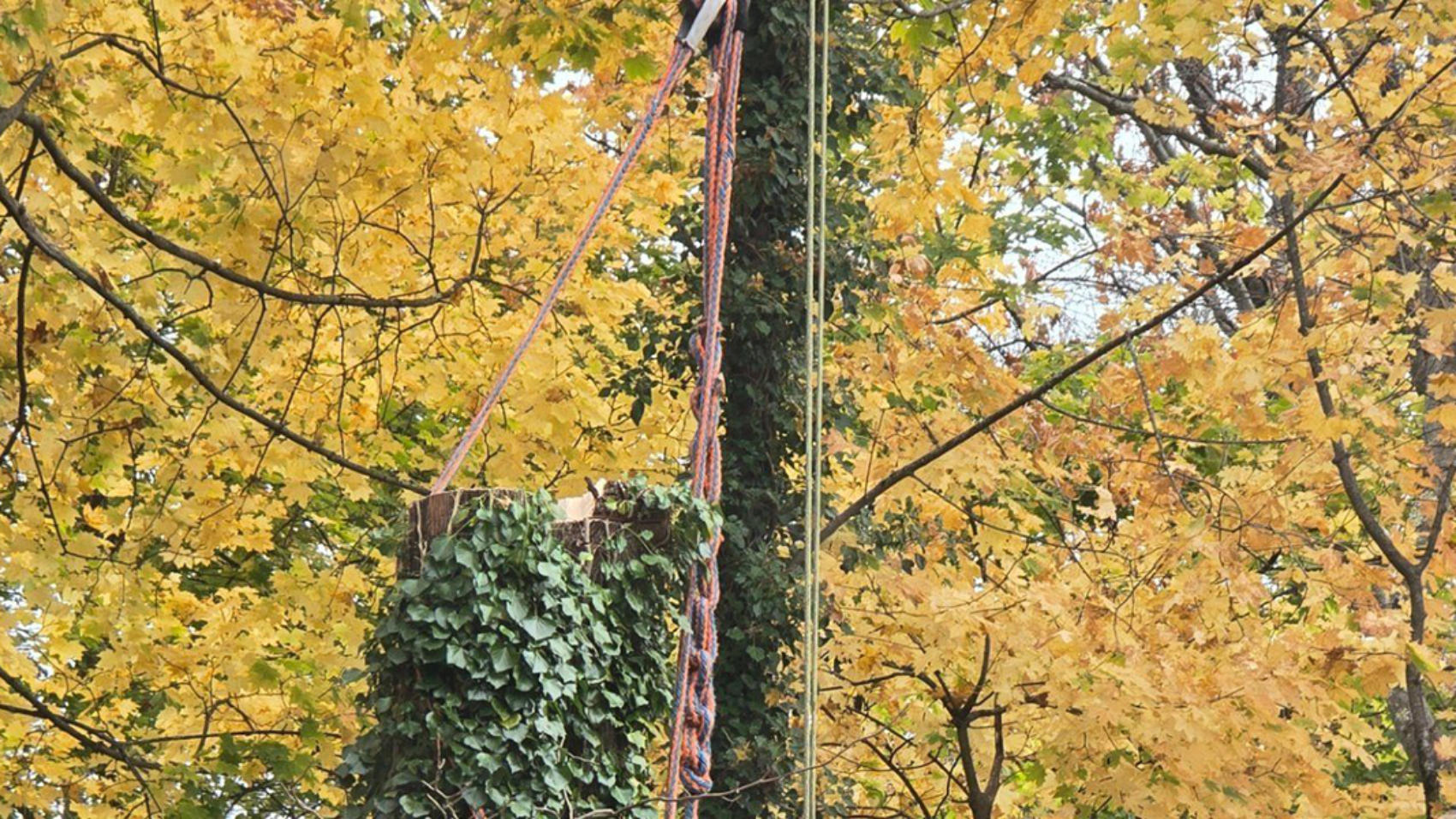
why are my tree leaves turning yellow

Common Causes of Yellowing Tree Leaves in Millis, MA

Massachusetts property owners are proud of the amazing spectrum of autumn colors we enjoy in New England. However, prematurely yellowing leaves on trees can be a troubling sign. 

Why are my tree leaves turning yellow?

That’s a question we receive during the growing season often at Brooke Tree Service. As the leading provider of professional tree services in Millis, MA, we share the following information about the reasons property owners notice leaves that are having trouble.  

why are my tree leaves turning yellow

Improper Watering

Overwatering can lead to waterlogged soil. That suffocates tree roots and interrupts efficient oxygen absorption. In turn, this leads to stressed trees with yellowing leaves and leaf drop well before autumn.

On the other hand, underwatering chokes off essential moisture, resulting in drought stress. In addition to yellowing, look out for leaves that curl or wilt. Test the soil above the roots with a screwdriver to determine if it feels compacted or excessively dry. Deep watering that focuses directly on the tree’s drip zone, can mitigate dehydration.

Nutrient Deficiency

Trees require balanced nutrition to maintain their vibrant green foliage. Common problems include:

  • Nitrogen deficiency. This causes older leaves to turn yellow first, leaving newer growth green.  
  • Magnesium deficiency. This causes early leaf drop and deeper yellowing between veins. 
  • Iron deficiency (chlorosis). Excessively high soil pH or compacted soil limits iron availability. Look for green veins inside yellowing leaf tissue.

Soil tests can pinpoint specific deficiencies that support targeted treatments like fertilizer application or soil amendments.

Pests

Infestations by sap-sucking insects or other pests weaken trees and cause yellowing. Common Massachusetts pests include:

  • Aphids and scale Insects. These pests extract nutrients, leaving behind yellow, curled leaves.
  • Spider mites. Infestations create a stippled, yellow leaf discoloration.

Prompt expert treatment with insecticidal soaps or introducing natural predators can help restore tree health.

Diseases

Why are my tree leaves turning yellow? Our region sees some common tree diseases that  cause discoloration:

  • Fungal infections. Anthracnose and powdery mildew cause yellowing by disrupting nutrient uptake and photosynthesis.
  • Bacterial pathogens. Invasive microorganisms cause wilting and leaf spotting in addition to yellowing.  

Arborists treat diseases through proper pruning, improving air circulation, and applying fungicides as needed.

Environmental Stress

Environmental factors can heavily impact tree health, contributing to leaf discoloration:

  • Soil pH imbalance. Out-of-range acidity hinders nutrient absorption at the root zone.   
  • Compacted soil. Damaged topsoil impairs root growth, water flow, and nutrient uptake.
  • Temperature extremes. Large, sudden weather changes stress trees and cause yellowing leaves.

Arborists often amend soil with organic matter or mulch to alleviate compaction and improve soil conditions.

Call On Brooke Tree Service for Expert Arborist Services

Why are my tree leaves turning yellow? As we’ve discussed, yellowing leaves are a symptom of underlying health issues. Brooke Tree Service specializes in diagnosing and resolving tree health issues.  

Take a look at our other posts for coverage of other common Massachusetts tree health topics, like understanding the reasons the top half of a tree has no leaves

Contact Brooke Tree Service today at (508) 613-5044 for all your tree care needs.