
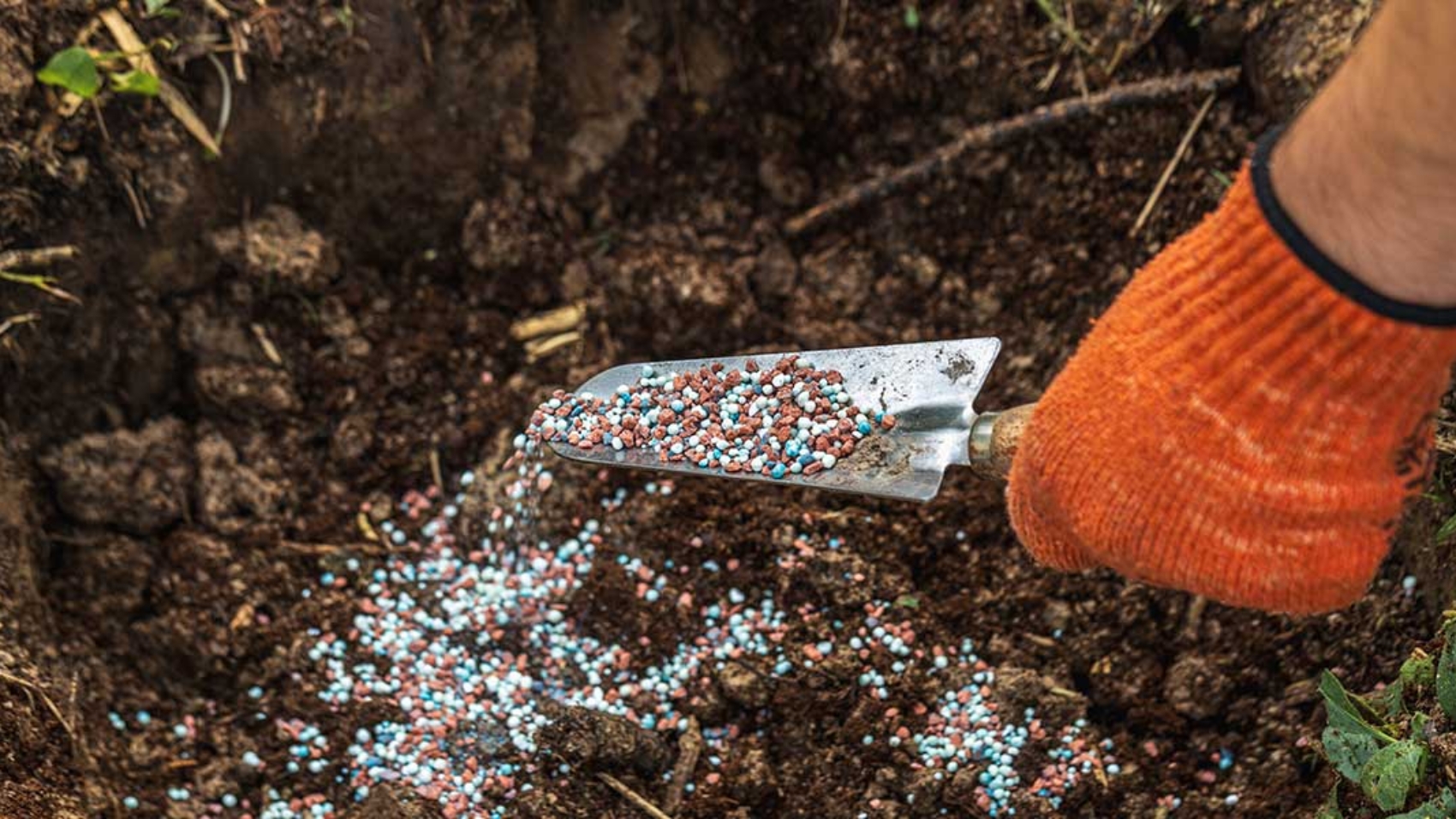
Although trees and shrubs pull most nutrients they need from the soil, they sometimes need a boost through fertilization. Choosing organic fertilizer vs. synthetic fertilizer can be difficult for homeowners. To help you weigh the pros and cons of each option, request an arborist consultation in Natick, MA.
In the meantime, learn more from this fertilizer effectiveness comparison.
How the Types of Fertilizers Differ
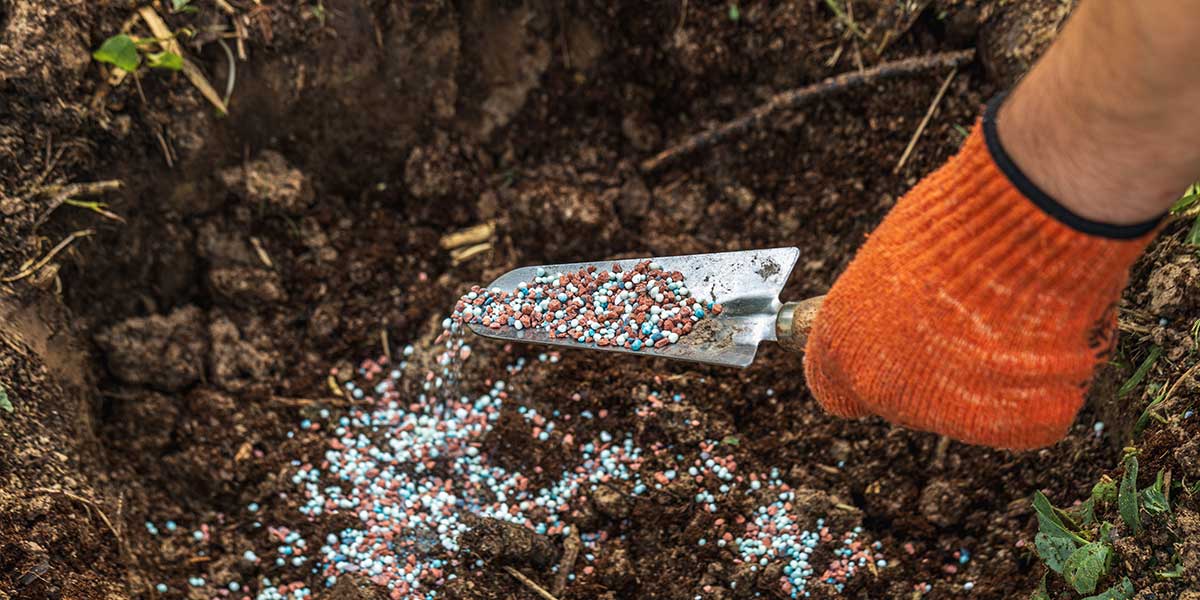
In the most basic sense, fertilizer provides food for trees and plants. It contains nutrients that trees absorb through their roots to use for growth and energy to fight off diseases or insects. If the soil cannot provide enough nutrients, arborists will apply fertilizer to give trees extra nutrients for healthy development.
Understanding Organic Fertilizer
Organic fertilizers consist of natural materials that break down over several weeks and leave nutrients in the soil. Trees and shrubs can then slowly absorb these nutrients over time. Some of the natural ingredients in organic fertilizer include:
- Manure
- Compost
- Plant matter
Using organic fertilizer is one way to follow sustainable gardening practices. The natural ingredients don’t harm insects or earthworms that enrich the soil. However, they work slowly, which is not necessarily helpful for a tree or shrub that’s showing immediate signs of nutrient deficiency.
Understanding Synthetic Fertilizer
Synthetic fertilizers are man-made products that attempt to deliver nutrients the tree can quickly absorb. These fertilizers may have a customized blend of nutrients made for a specific tree or to address a nutrient deficiency in your property’s soil.
When comparing organic fertilizer vs. synthetic fertilizer, some synthetic blends may harm microorganisms in the soil. They don’t replenish the soil like organic fertilizers do, either. However, they are proven effective at giving trees and plants a quick boost of nutrients.
General Rules for Using Organic vs. Synthetic Fertilizer
Arborists will inspect your trees and shrubs before making a recommendation on which fertilizer to use. They may take a soil sample to determine whether nutrient deficiencies are occurring.
Trees showing signs of health problems often require synthetic fertilizers for a fast-acting nutrient boost. Healthy trees and shrubs could benefit from an organic fertilizer’s slow release of nutrients that maintains their health well into the future.
Sometimes, arborists will recommend using a combination of organic and synthetic fertilizers. Homeowners then receive the benefits from a fast-acting fertilizer application while maintaining the health and vitality of the soil and microorganisms.
Brooke Tree Service Provides Species-Specific Fertilizer Treatments That Are Safe and Effective
Choosing organic fertilizer vs. synthetic fertilizer doesn’t have to be a stressful chore. Synthetic nutrient sources and organic soil enrichment both have their advantages, but you need tailored advice on which option is better for you. At Brooke Tree Service, we listen to your concerns, study the trees and shrubs you have, and deliver a personalized recommendation.
Let us handle the fertilizing of trees in summer for you, along with any other tree and shrub care services you need. To request a free consultation about the environmental impact of fertilizers or a cost estimate for treatments, contact us today at (508) 613-5044.