are dead trees dangerous

Are Dead Trees Dangerous? What Dover, MA, Homeowners Should Know

Every guide on dealing with dead trees will always recommend immediate tree removal, but why is that? Are dead trees dangerous?

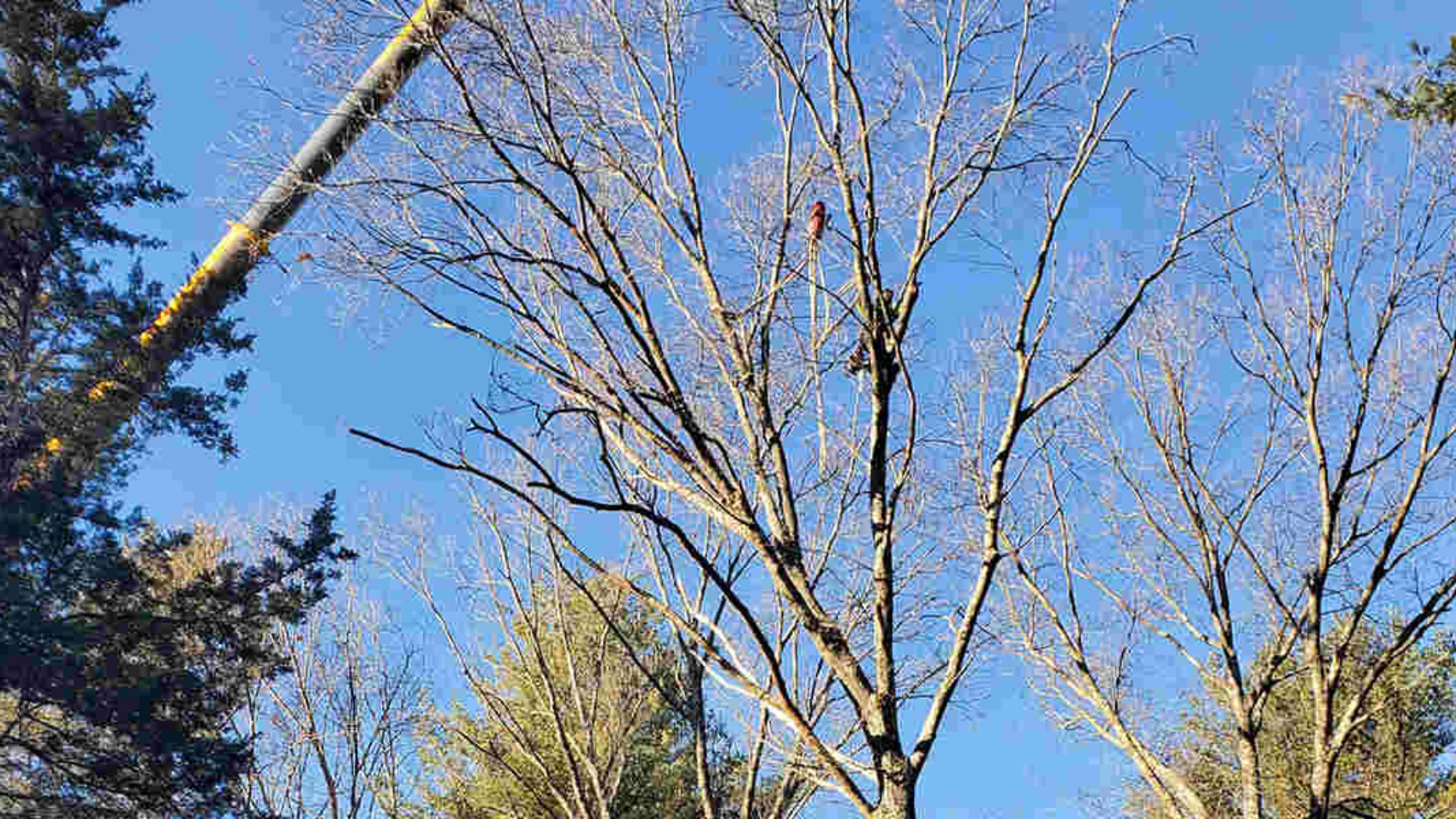
Absolutely; a dead tree is a major hazard, threatening not only the safety of your property but that of your family as well. This post will take a closer look at the potential dangers dead trees pose, highlighting the need for professional tree services in Dover, MA.
are dead trees dangerous

How To Spot a Dead Tree

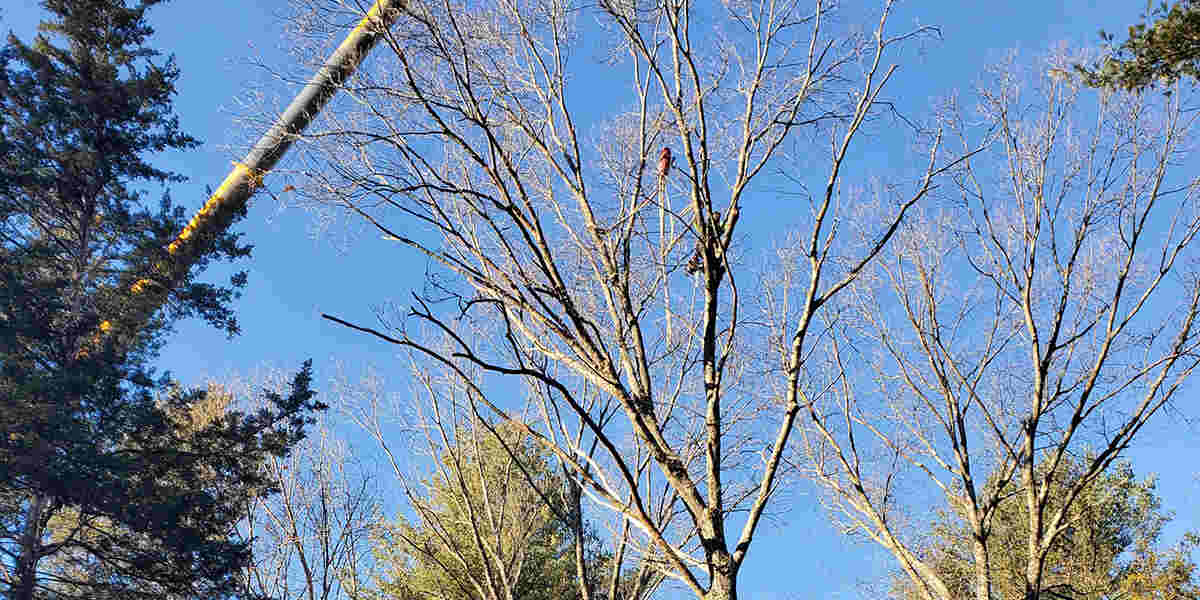
How can Dover homeowners effectively tell when their trees are dead? While a lack of leaves is a good place to start, this sign on its own won’t be enough. After all, several trees often shed their leaves during certain seasons.

Here are other key symptoms that will point to the severe decline of your tree’s health.

Trunk Issues

Does your tree’s bark have deep splits and wounds that aren’t healing? Exposure of the inner wood allows the rapid spread of decay, which could cause your tree’s death.

Signs of Disease and Decay

Check for fungi growing on your tree’s trunk and branches. You might also start noticing mushrooms at the tree’s base.

Branch Problems

During your tree’s growing season, be on the lookout for bare branches that have no leaves or buds.

Why Keeping a Dead Tree Is Never a Good Idea

At first glance, a dead tree might seem harmless. You might even be tempted to ignore it. This, however, is far from ideal.

Are dead trees dangerous? The short answer is yes. Here are the risks that come with keeping a dead tree on your Dover property.

High Fall Risk

A dead tree’s structural integrity is greatly compromised. The dried wood and dead roots make the tree weak, creating what is, essentially, a ticking time bomb.

What this means is that the tree can fall anytime and potentially cause significant injuries or costly property damage.

Damaged Power Lines

Was the tree growing near power lines? Keeping it around after it dies places your neighborhood’s electricity supply in danger. While this might not seem like a pressing issue, for those with medical devices in their homes, it can be life-threatening.

Easy Spread of Disease

A lot can cause a tree’s death, and diseases are high on that list. By failing to remove a dead tree, you could be placing other trees on your property at great risk. Before you know it, you could have multiple infected trees on your hands.

Pest Attraction

Pests and rodents are attracted to dead trees. Once they’ve set up a base, they’ll have no trouble spreading to your home and wreaking more havoc.

Let Dover’s Trusted Tree Professionals Safeguard Your Home

Are dead trees dangerous? In more ways than one. Fortunately, by calling Brooke Tree Service and scheduling professional removal, you can prevent your dead tree from becoming a safety hazard. We’ll first determine if the tree is dead or dormant before recommending the appropriate next step.

Talk to us today at (508) 613-5044.
do tree roots die after stump grinding

Do Tree Roots Die After Stump Grinding in Natick, MA?

The process of removing an unwanted or hazardous tree leaves behind a common concern: the root system.

Do tree roots die after stump grinding? 

With tree removal, grinding is a cost-effective and efficient way to eliminate waste material that extends above the surface. However, many people who hire our tree services in Natick, MA, ask us what happens to the roots left in the ground. It’s a valid concern, so read on for more from our Brooke Tree Service experts.

do tree roots die after stump grinding

What Happens To Tree Roots After Stump Grinding?

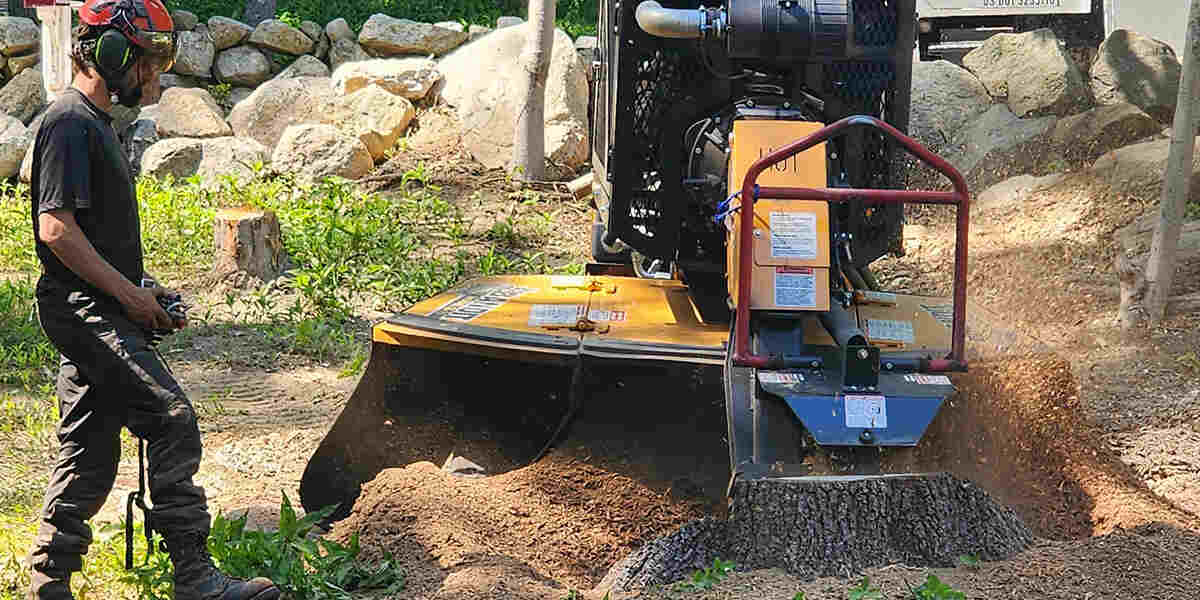
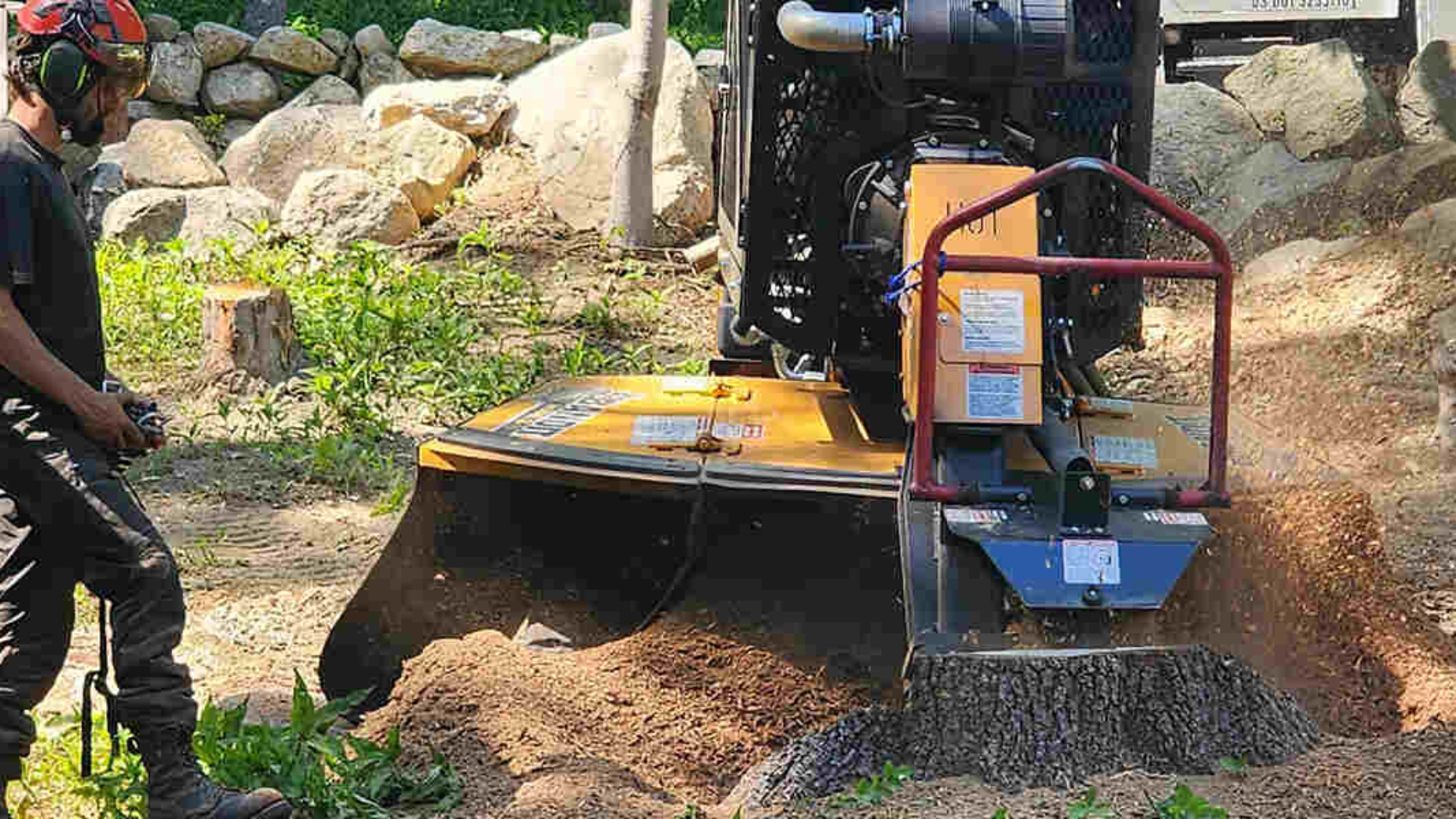
Stump grinding is always a highly efficient method for eliminating the above-ground remains of your tree. A qualified operator uses special equipment to simply grind a stump down into wood chips. The grinding takes the stump right down to just below the surface, but of course, this leaves the roots intact.

Do tree roots die after stump grinding? Most roots don’t die immediately, especially if they’re well-established. So, what happens?

Regrowth Potential 

Some species – like poplars, maples, and elms – have high regrowth potential. Severed roots from these species might easily sprout new shoots, leading to unwanted regrowth. 

Generally, coniferous species like pines and spruces do not regenerate after stump grinding.

Root Decomposition and Soil Settling

Roots decompose naturally if they don’t regrow. However, how long it takes for dead roots to rot away depends on factors like soil moisture, temperature, and the tree species. 

Root decomposition is great. The process naturally releases nutrients back into the soil, serving as a natural fertilizer. Even if it takes several years for the roots of a large removed tree to decay, this nutrient release boosts the organic matter available in the soil.

On developed property, settling is another concern. As roots break down, the soil above them loses support. You might see depressions in your yard, which experts will need to mitigate by backfilling low spots with topsoil and replanting vegetation.

Pest Attraction Is a Key Concern

Decomposing roots often attract native pests like termites, carpenter ants, and beetles. If these wood-destroying insects colonize rotting roots, they can migrate to nearby wooden construction materials in houses and other buildings. 

Professional pest control measures can help contain this risk after stump grinding.

Root Removal Methods

Do tree roots die after stump grinding? If that’s a concern for you, consider these root removal methods instead:

  • Excavation. Dig out roots. It’s labor-intensive and more expensive.
  • Chemical treatments. Applying herbicides can prevent regrowth, but you’ll want expert caution to avoid harming the environment.
  • Natural decay. Allowing roots to decompose naturally is the least invasive method but requires patience.

Choose Brooke Tree Service for Expert Stump Grinding  

For professional tree care that includes stump grinding and root management, property owners in Natick, MA, count on Brooke Tree Service. Whether you’re dealing with regrowth potential, managing nutrient release, or averting pests, we can help. 

Do tree roots die after stump grinding? What’s the role of an arborist in tree health and maintenance? Call us at (508) 613-5044 to find out more or to schedule comprehensive tree care services in Natick, Massachusetts, and beyond!